Ćevapi Recipe: Bosnian Grilled Minced Meat Fingers with Somun and Ajvar (Halal)
Authentic Bosnian ćevapi — grilled beef and lamb fingers served in soft somun bread with smoky ajvar, made the traditional halal-friendly way.
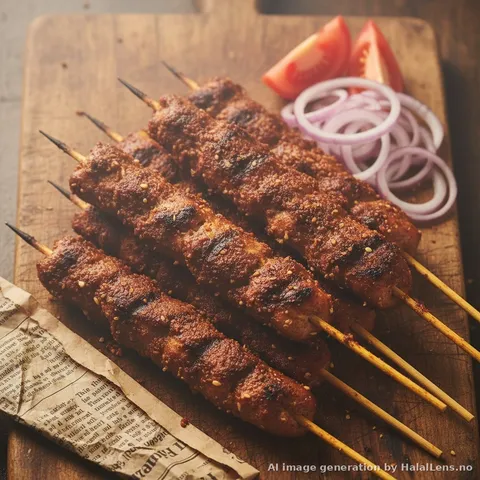
Ćevapi are small, hand-shaped fingers of grilled minced meat that form the beating heart of Bosnian and Herzegovinian home cooking and street food alike. Served nestled inside warm, pillowy somun bread with raw onion and a spoonful of smoky ajvar, ćevapi are less a recipe than a ritual — the dish nearly every Bosnian family argues about, defends, and perfects across generations. This version keeps to the traditional beef-and-lamb formula that has always made Bosnian ćevapi naturally halal-friendly, without leaning on the heavier spice blends used elsewhere in the region.
The story of ćevapi begins with the Ottoman Empire's centuries-long presence in the Balkans. Grilled minced-meat dishes travelled north from Ottoman kitchens starting in the 15th century, and over time the Bosnian version evolved into something distinct from its cousins across Anatolia and the Levant. According to Wikipedia's overview of ćevapi, the dish is now considered a national dish of both Bosnia and Herzegovina and Serbia, and by the early 20th century it had spread across the wider Balkan peninsula, with each city and country developing its own conventions for size, shape, and seasoning.
What sets Bosnian ćevapi apart is its restraint. Where many Balkan versions lean on garlic, black pepper, baking soda, and sometimes carbonated water for a lighter, springier bite, the Bosnian style — particularly as served in Sarajevo — stays close to just meat, salt, and a little onion, letting the quality of the beef and lamb speak for itself. As National Dishes of the World notes, the technique is really about proper hand-mincing, resting the meat, and grilling over live coals rather than about a complicated spice cabinet — the simplicity is the point, not a shortcut.
Sarajevo's Grill Culture and the Somun Tradition
In Sarajevo, ćevapi are inseparable from ćevabdžinicas — small grill houses, some of them family-run for well over a century, where the menu is essentially one dish served a dozen slightly different ways. The meat is shaped by hand into short, finger-thick logs (never using a mold), grilled quickly over intense heat until the outside is charred and the inside stays juicy, then tucked into somun. Somun is a soft, slightly domed flatbread distinct from ordinary pita — it is proofed longer, baked hotter, and has a pillowy, almost pull-apart interior that is built specifically to soak up meat juices and ajvar without falling apart in your hands. Its lineage traces back through Ottoman and South Asian baking traditions that reached Bosnia via Turkey, as described by Remitly's guide to Bosnian national dishes.
Alongside the bread, ajvar — a slow-roasted red pepper relish, sometimes made with a touch of eggplant for body — provides the smoky sweetness that plays against the char of the grilled meat. Kajmak, a rich clotted cream, often finishes the plate, along with a scattering of raw white onion for sharp contrast. Together, the components are engineered as a system: bread for structure, meat for protein and char, ajvar for sweetness and smoke, onion for bite. Remove any one piece and the dish stops tasting like ćevapi and starts tasting like a plain meatball.
How Ćevapi Differs From Kofta and Seekh Kebab
It's worth being precise about what ćevapi is not. Unlike South Asian and Middle Eastern kofta, which typically carries a warm, layered spice profile — cumin, coriander, garam masala, sometimes mint or fresh herbs folded into the mince — Bosnian ćevapi is deliberately under-seasoned by comparison, relying on garlic, a touch of sweet paprika, salt, and black pepper at most. It also differs sharply from seekh kebab, which is skewered around a metal rod, worked with a heavier hand of chili, ginger, and garam masala, and often includes yogurt or raw papaya as a tenderizer. Ćevapi is never skewered — the small logs are grilled directly on the grate — and the bread it's served in, somun, has no real equivalent in either of those traditions; naan and roomali roti are proofed and cooked differently and don't have the same dense, chewy crumb. These are three related but genuinely distinct dishes, and Bosnian home cooks are protective of exactly this distinction.
Halal Adaptation Notes
Traditional Bosnian ćevapi is already naturally halal-compatible in its most common form: the classic Sarajevo-style mixture is beef, or a beef-and-lamb blend, with no pork whatsoever — pork appears in ćevapi recipes from some other parts of the former Yugoslavia, but it was never part of the Bosnian Muslim culinary tradition, given Bosnia's large Muslim population and centuries of Ottoman influence. For this recipe, use halal-certified beef and, if you want the traditional richer texture, halal-certified lamb — sourcing both from a trusted halal butcher is essential, since conventional supermarket ground lamb is not automatically halal-slaughtered. Kajmak and standard dairy-based garnishes are halal by default; just double check store-bought ajvar jars for any wine vinegar or non-halal stabilizers if you're not making it fresh. No alcohol, gelatin, or pork byproducts belong anywhere in this dish.
Recipe Snapshot
| Yield | Serves 4 (about 20 ćevapi fingers) |
|---|---|
| Prep time | 25 minutes (plus 2 hours resting) |
| Cook/Grill time | 12 minutes |
| Total time | 2 hours 37 minutes |
| Cuisine | Bosnian (Balkan) |
Ingredients
The ingredient list is short by design — Bosnian ćevapi lives or dies on meat quality and grilling technique, not a long spice rack.
For the Ćevapi
|
Ground beef (80/20)
500g, halal-certified
|
— |
|
Ground lamb
250g, halal-certified — check sourcing carefully
|
MUSHBOOH |
|
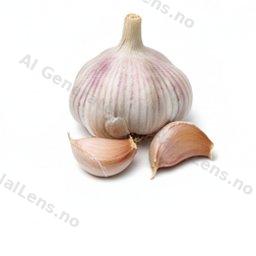
Garlic
2 cloves, finely grated
|
HALAL |
|
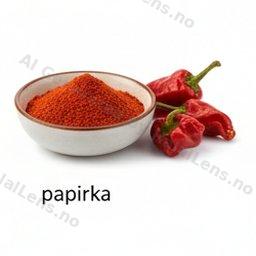
Sweet paprika
1 tsp
|
HALAL |
|
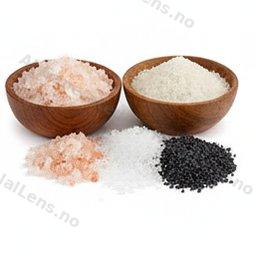
Salt
1 1/2 tsp
|
HALAL |
|
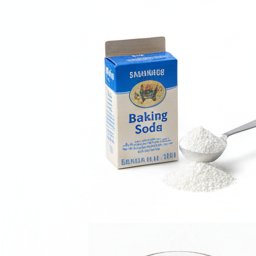
Baking soda
1/2 tsp, for texture
|
HALAL |
|
Freshly ground black pepper
1/2 tsp
|
— |
For Serving
|
Somun (Bosnian flatbread)
4 rounds, or substitute soft pita
|
— |
|
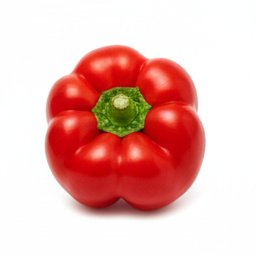
Red bell peppers (for ajvar)
4 large, roasted
|
HALAL |

|
Olive oil
2 tbsp, for the ajvar
|
HALAL |
|
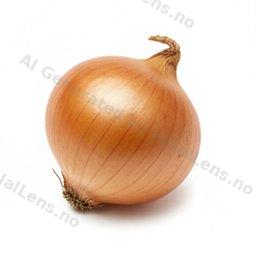
White onion, finely diced
1 medium, for garnish
|
HALAL |

|
Sour cream
4 tbsp, kajmak substitute
|
HALAL |
Method
- Roast the peppers for ajvar first. Set the whole red bell peppers directly over a gas flame or under a hot broiler, turning until the skins are fully blackened and blistered, about 12-15 minutes. Transfer to a bowl, cover tightly with plastic wrap, and let them steam for 15 minutes — this loosens the skin. Peel, deseed, and finely chop the flesh, then simmer it gently with the olive oil, a pinch of salt, and a splash of water for 20-25 minutes, stirring occasionally, until it reduces into a thick, jammy, deep-red relish. Set aside to cool; ajvar tastes better once it has rested for a few hours.
- Chill your equipment and hands. Ćevapi mince is worked by hand, and it stays tighter and easier to shape when everything is cold. Put your mixing bowl in the fridge for 15 minutes before you start, and keep a small bowl of cold water nearby to wet your hands as you shape.
- Combine the meats. In the chilled bowl, combine the ground beef and ground lamb. Add the grated garlic, sweet paprika, salt, black pepper, and baking soda. Using your hands, mix and knead the mixture for a full 5-7 minutes — this is not a light toss, it's a deliberate knead that develops the meat's natural proteins so the ćevapi hold together on the grill without any egg, breadcrumb, or filler.
- Rest the mixture. Cover the bowl and refrigerate for at least 2 hours, or overnight if you can plan ahead. This resting period lets the salt and garlic penetrate the meat and firms the texture so the fingers keep their shape on the grate.
- Shape the ćevapi. With wet hands, portion the mixture into pieces about 25-30g each and roll them into short logs roughly the length and width of your index finger — around 7-8cm long and 2cm thick. Keep the shape uniform so they cook evenly; this should give you about 20 pieces.
- Preheat the grill. Heat a charcoal grill, cast-iron grill pan, or heavy skillet until very hot — you want a searing surface, not a gentle one. If using charcoal, wait until the coals have an even layer of white ash for the most authentic char.
- Grill the ćevapi. Place the fingers directly on the hot grate or pan, leaving a little space between each. Grill for 5-6 minutes total, turning every minute or two with tongs, until the outside is deeply charred in spots and the inside reaches a safe, fully cooked temperature. Avoid pressing down on them — you'll push out the juices that keep them tender.
- Warm the somun. While the ćevapi grill, warm the somun rounds briefly on the edge of the grill or in a dry skillet until soft and pliable, about 30-60 seconds per side.
- Assemble. Split each warm somun open like a pocket. Tuck in 4-5 grilled ćevapi fingers, spoon over a generous layer of ajvar, scatter with finely diced raw onion, and finish with a dollop of sour cream in place of kajmak. Serve immediately, while the bread is still warm and the meat is still sizzling.
Tips & Variations
- Do not skip the rest in the fridge — unrested mince falls apart on the grill and loses the springy bite that defines proper ćevapi.
- If somun isn't available, a very soft, thick pita or a fresh Turkish pide works as a reasonable substitute, though the texture won't be quite identical.
- For an all-beef version, simply omit the lamb and use 750g of ground beef total — still authentic to many Bosnian households, and a straightforward way to simplify halal sourcing to a single trusted cut.
- A traditional side is kajmak, a clotted dairy cream unique to the Balkans; thick, full-fat sour cream or labneh are the closest reasonable stand-ins if kajmak isn't sold near you.
- Leftover ajvar keeps well refrigerated for up to a week and is excellent on eggs, roasted vegetables, or spread on sandwiches beyond this recipe.
- Resist the temptation to add extra spices — the entire identity of Bosnian ćevapi, as distinct from kofta or seekh kebab, rests on this minimal, garlic-and-paprika-forward seasoning rather than a complex spice blend.
AI disclosure: This recipe article was drafted with AI assistance and reviewed by HalalLens for accuracy and halal compliance.