Best Halal Ramen Broth (Chicken Chintan)
A clear, golden halal chicken ramen broth built with kombu, bonito, and a simple shoyu tare—clean, rich, and perfect for ramen bowls.
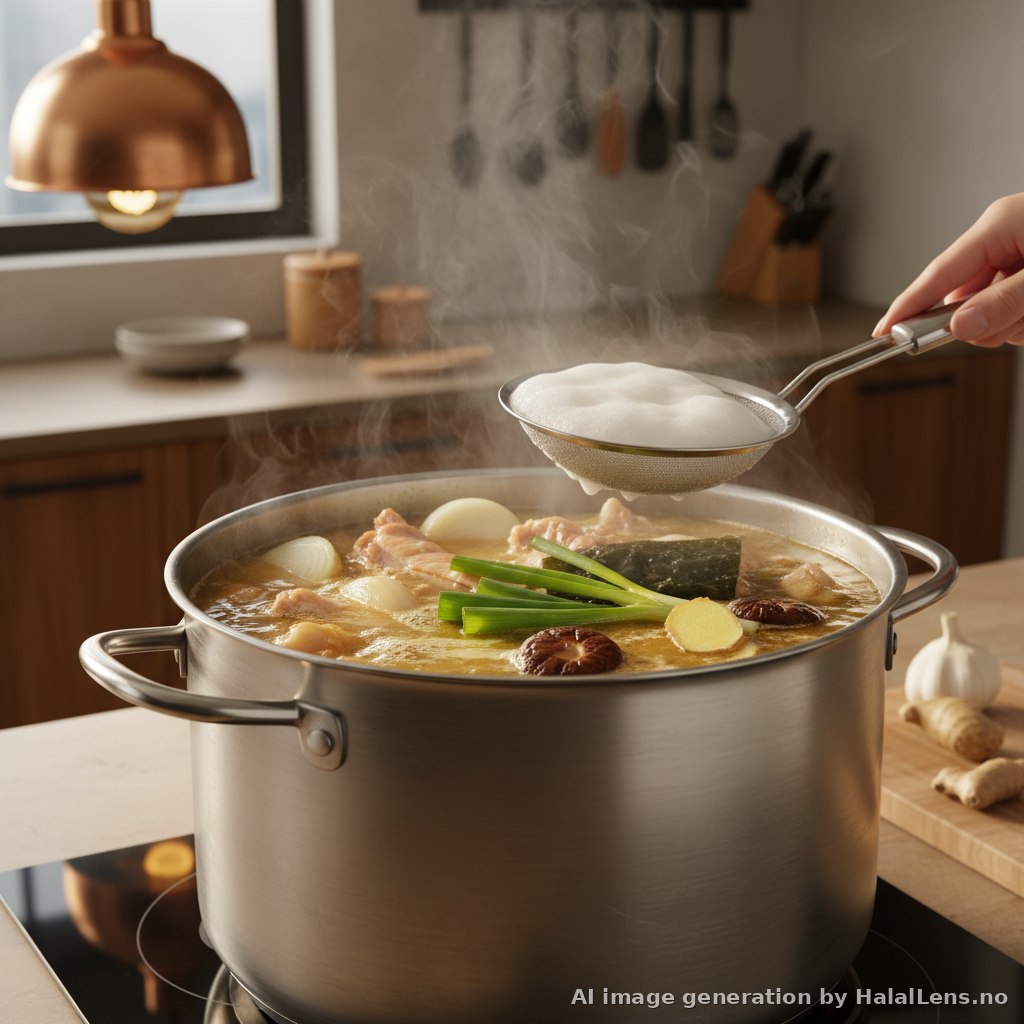
Ramen lives or dies by its broth. This halal-friendly recipe builds a clear, golden chicken ramen broth (chintan) that tastes deep and layered without relying on pork bones or alcohol. You’ll make a light dashi with kombu and bonito, simmer it with chicken bones and aromatics, then season the finished stock with a simple shoyu tare. The result is a versatile base that works for a classic soy ramen bowl or can be enriched into a richer, milkier style if you simmer it harder or add collagen-rich cuts.
Ramen’s roots are intertwined with Chinese wheat noodles (lamian) and Japan’s port-city food culture. During the Meiji era, Japanese diners in Yokohama encountered Chinese noodle soups and adapted them into what became ramen; over time, the dish evolved into a Japanese staple. The Britannica entry on ramen traces its Chinese origin and the way Japanese cooks adopted and adapted those noodles into a soup-based dish with wheat noodles and a meat or miso broth, often flavored with soy sauce. Britannica’s history overview provides a concise summary of that transition from Chinese noodle soup to a Japanese staple.
Ramen also became a distinctly Japanese food in the early 20th century and the postwar years. A major early milestone was the 1910 opening of Rairaiken in Tokyo’s Asakusa district, often cited as Japan’s first ramen shop; it employed a cook from Yokohama’s Chinatown and served a Chinese-style noodle soup that quickly gained popularity. Nippon.com’s historical feature on ramen details how the dish spread across Japan, especially after World War II when food stalls (yatai) and new regional styles like Kyushu’s tonkotsu and Sapporo’s miso ramen appeared. For historical context, see Ramen Takes Off as Global Soul Food.
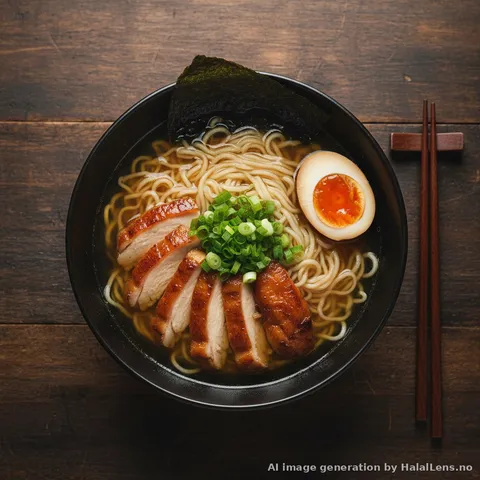
From Dashi to Ramen Broth
Traditional ramen broth is often layered: a clear stock or a creamy stock, plus a seasoning base (tare) that provides salt and aroma. The backbone of many Japanese soups is dashi, a simple stock that highlights umami. A widely used dashi relies on kombu (kelp) and katsuobushi (bonito flakes); these two ingredients are repeatedly cited as core dashi components in Japanese culinary references. The Michelin Guide’s overview explains that dashi is a foundational stock in Japanese cuisine and is commonly made from kombu and katsuobushi, creating a clean, savory umami base. See A Guide to Dashi for a succinct description of that classic combination.
Ramen shops build on that base with either a clear, refined stock (chintan) or a richer, opaque stock (paitan). Chintan is typically made by gently simmering bones and aromatics to keep the liquid clear, while paitan is pushed at a rolling boil to emulsify fats and collagen into a milky broth. This halal recipe uses the chintan approach so the broth stays clean and balanced, then gets its depth from dashi, chicken collagen, and a measured soy-based tare. If you prefer a richer texture, you can boil the stock more vigorously for the last hour or add extra chicken wings to boost collagen.
Halal Adaptation Notes
Classic tonkotsu ramen relies on pork bones, and many shoyu or miso ramen recipes use mirin or sake in the tare. For a halal version, we swap pork bones for chicken backs and wings and skip alcohol entirely. The tare here uses soy sauce, sugar, and salt for balance. If you have halal-certified alcohol-free mirin, you can replace half the sugar with it for a rounder sweetness. Always check labels on soy sauce, bonito flakes, and kombu to confirm no alcohol-based extracts or non-halal additives were used.
Recipe Snapshot
| Yield | About 8 cups broth (6 bowls) |
|---|---|
| Prep time | 30 minutes |
| Cook/Bake time | 4 hours 30 minutes |
| Total time | 5 hours |
| Cuisine | Japanese |
Ingredients
This recipe makes a foundational ramen broth plus a simple shoyu tare and a light aromatic oil. You can serve the broth with ramen noodles, soft-boiled eggs, and halal-friendly toppings of your choice.
Broth Base
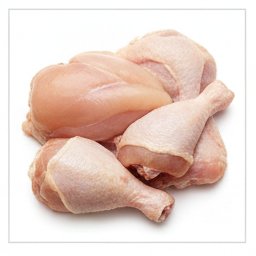 |
Chicken backs or carcasses
2.5 kg
|
MUSHBOOH |
|
Chicken wings
500 g
|
MUSHBOOH |

|
Water
5 liters
|
HALAL |
|
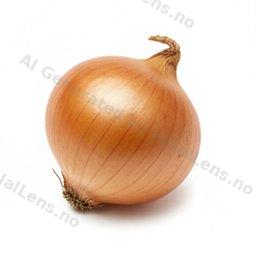
Onion
1 large, halved
|
HALAL |
|
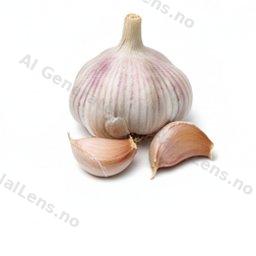
Garlic
6 cloves, smashed
|
HALAL |
|
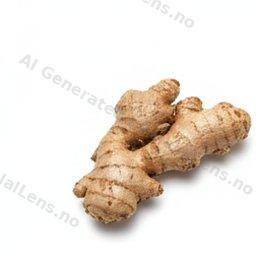
Ginger
5 cm piece, sliced
|
HALAL |
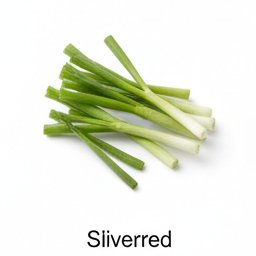 |
Scallions (green onions)
4, cut into 5 cm pieces
|
HALAL |
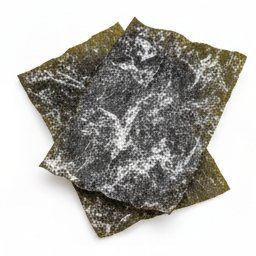 |
Kombu (dried kelp)
10 g
|
HALAL |
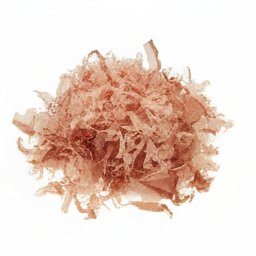 |
Katsuobushi (bonito flakes)
20 g
|
HALAL |
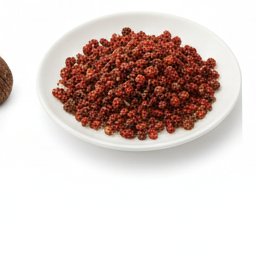 |
Dried shiitake mushrooms
4
|
HALAL |
Shoyu Tare
 |
Soy sauce
120 ml (1/2 cup)
|
HALAL |
 |
Sugar
1 tbsp
|
HALAL |
|
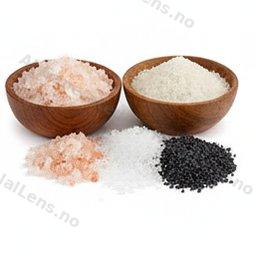
Salt
1 tsp
|
HALAL |
Aromatic Oil (Optional)
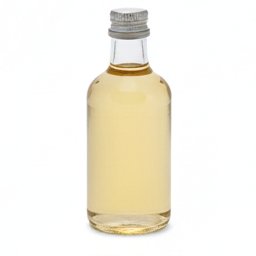 |
Neutral oil
60 ml (1/4 cup)
|
HALAL |

|
Sesame oil
1 tsp
|
HALAL |
|
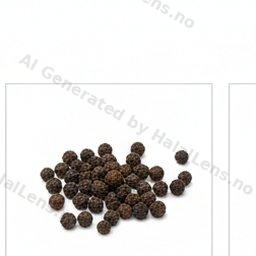
Black pepper
1/4 tsp
|
HALAL |
Method
- Blanch the bones: Cover chicken backs and wings with cold water in a large stockpot. Bring to a boil for 5 minutes to release impurities. Drain, rinse the bones, and scrub the pot clean.
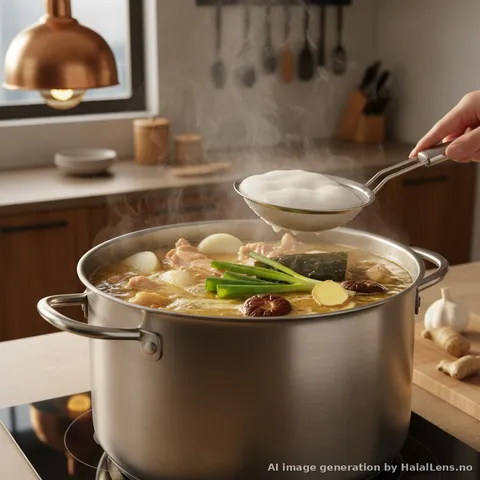
- Start the clear stock: Return bones to the pot with 5 liters of fresh water. Bring just to a bare simmer, skimming any foam. Maintain a gentle simmer for 2 hours, keeping the broth clear.
- Add aromatics: Add onion, garlic, ginger, and scallions. Simmer another 1 hour, skimming as needed.
- Build dashi depth: Add kombu and dried shiitake and keep the broth just below a boil for 30 minutes. Remove the kombu before it boils to keep the flavor clean.
- Finish with bonito: Turn off the heat, add katsuobushi, and let it steep for 5 minutes. Strain the broth through a fine sieve or cheesecloth.
- Make the shoyu tare: Stir soy sauce, sugar, and salt in a small saucepan over low heat until dissolved. Do not boil.
- Optional aromatic oil: Warm neutral oil with garlic slices over low heat until lightly golden, then strain and finish with a few drops of sesame oil.
- Season and serve: For each bowl, combine 2 tbsp tare with 350 ml broth. Taste and adjust with more tare or salt. Serve with ramen noodles and halal toppings of your choice.
Tips & Variations
- Richer broth: For a paitan-style broth, boil more vigorously for the final hour or add extra wings for collagen.
- Fish-free option: Skip katsuobushi and increase dried shiitake to 6–8 pieces for deeper mushroom umami.
- Storage: Chill the broth, remove the fat cap if you want a lighter bowl, and freeze for up to 3 months.
- Flavor balance: The tare controls salt; keep the stock unsalted so you can dial in each bowl.
AI disclosure: This recipe article was drafted with AI assistance and reviewed by HalalLens for accuracy and halal compliance.