Chicken Tikka Masala: British-Indian Halal Recipe
Tender yogurt-marinated chicken in a luxuriously creamy tomato-based sauce with aromatic spices. This British-Indian classic is halal-certified and features authentic flavors with step-by-step instructions.
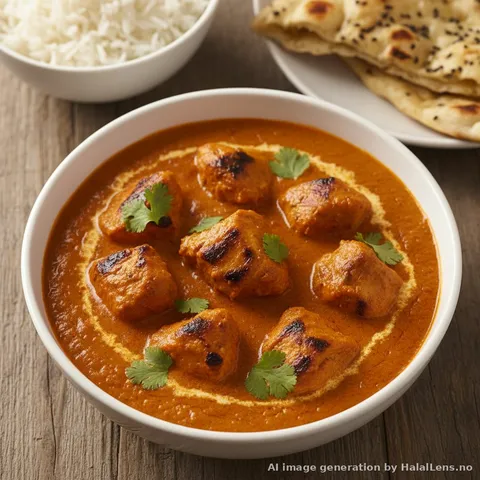
Chicken Tikka Masala is a beloved curry featuring tender, yogurt-marinated chicken pieces bathed in a luxuriously creamy tomato-based sauce infused with aromatic spices. While its exact origins are debated, this dish has become an icon of British-Indian cuisine and a global favorite, celebrated for its perfect balance of richness, warmth, and complexity.
The story of Chicken Tikka Masala is as rich and layered as its flavors. Despite its association with Indian cuisine, most food historians agree the dish was actually invented in Britain, likely in Glasgow during the 1950s or 1960s. One popular account credits Ali Ahmed Aslam of the Shish Mahal restaurant, who allegedly improvised a sauce from condensed tomato soup and spices to satisfy a customer who found the traditional chicken tikka too dry. Another claim comes from Sultan Ahmed Ansari of the Taj Mahal restaurant, who maintains he created the dish in the 1950s. Regardless of its precise birthplace, Chicken Tikka Masala represents a fascinating culinary fusion—a creative adaptation of traditional Indian cooking techniques to British palates, born from the ingenuity of South Asian immigrants. For more on this cultural phenomenon, see Wikipedia's comprehensive history and Britannica's analysis of the dish.
By 2001, British Foreign Secretary Robin Cook famously declared Chicken Tikka Masala "a true British national dish," symbolizing the country's multicultural identity. It became the most popular dish in British curry houses by 2010, and remains a staple of Indian restaurants worldwide. The dish's appeal lies in its accessibility—the creamy tomato sauce tempers the heat of traditional Indian spices, making it approachable for those new to South Asian cuisine while still delivering authentic aromatic complexity. Interestingly, chicken is virtually the only ingredient that appears consistently across the many British versions, with endless variations in spice blends, cooking methods, and sauce components, demonstrating the dish's remarkable adaptability.
From India to Britain: A Culinary Journey
While the modern version of Chicken Tikka Masala is a British creation, its roots trace back to traditional Indian cooking. The dish likely evolved from butter chicken (murgh makhani), a popular North Indian specialty from Punjab that features tandoori-roasted chicken in a buttery tomato sauce. The tandoor oven—a traditional clay oven used throughout South Asia—imparts the characteristic smoky char to the chicken pieces that distinguishes authentic tikka. The word "tikka" itself refers to small chunks or pieces of meat, while "masala" simply means a mixture of spices.
The British adaptation maintained the core technique of marinating chicken in yogurt and spices, which serves dual purposes: the lactic acid tenderizes the meat while the spices penetrate deep into the flesh. However, British versions typically feature a creamier, milder sauce compared to the original Indian preparations, reflecting both local ingredient availability and taste preferences. This cross-cultural evolution exemplifies how immigrant communities adapt traditional recipes to new contexts, creating entirely new culinary traditions that resonate across cultures. Today, Chicken Tikka Masala has transcended its British-Indian origins to become a global phenomenon, served everywhere from London to Mumbai to New York, with each region adding its own subtle variations.
Halal Adaptation Notes
This halal-certified version uses only halal-slaughtered chicken and ensures all ingredients meet Islamic dietary requirements. Chicken in general requires verification of halal slaughter methods, which is why it carries a "mushbooh" (doubtful) status in our ingredient database unless specifically certified. For this recipe, always source chicken from trusted halal butchers or certified suppliers. All spices, dairy products, and produce used are inherently halal. The creamy sauce uses heavy cream and butter rather than any alcohol-based ingredients, and all processing methods comply with halal standards.
Recipe Snapshot
| Yield | 4-6 servings |
|---|---|
| Prep time | 30 minutes (plus 4-24 hours marinating) |
| Cook time | 40 minutes |
| Total time | 1 hour 10 minutes (plus marinating) |
| Cuisine | British-Indian |
Ingredients
The key to exceptional Chicken Tikka Masala lies in the quality and freshness of your ingredients. The marinade builds flavor and tenderness, while the sauce components create that signature creamy, aromatic finish. Each spice plays a distinct role in the complex flavor profile.
For the Marinade
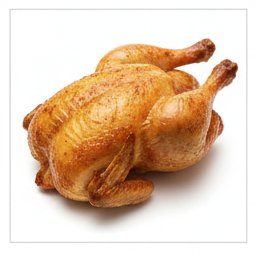 |
Chicken
1.5 lbs (700g) boneless thighs or breasts, cut into 2-inch chunks
|
MUSHBOOH |
 |
Plain yogurt
1 cup (240ml), full-fat preferred
|
HALAL |
|
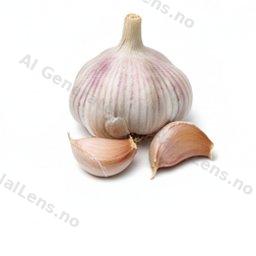
Garlic
6 cloves, minced
|
HALAL |
|
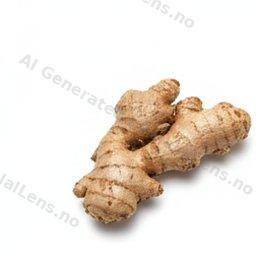
Ginger
2 tablespoons, grated fresh
|
HALAL |

|
Ground cumin
2 teaspoons
|
HALAL |
|
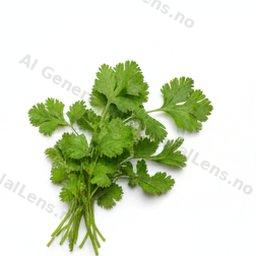
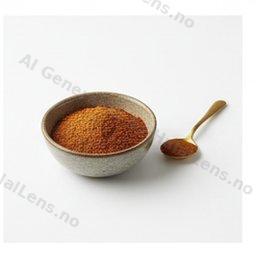
Ground coriander
2 teaspoons
|
HALAL |
|
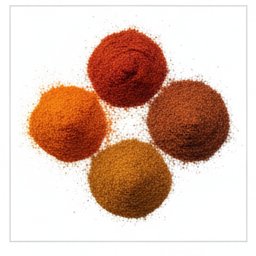
Garam masala
1 teaspoon
|
HALAL |
 |
Chili powder
1 teaspoon (adjust to taste)
|
HALAL |
|
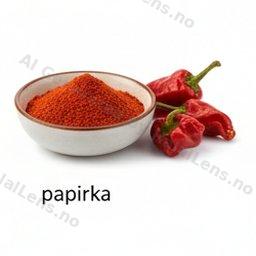
Paprika
1 teaspoon
|
HALAL |
|
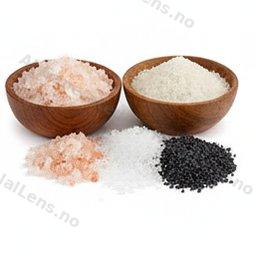
Salt
1 teaspoon
|
HALAL |
For the Sauce
|
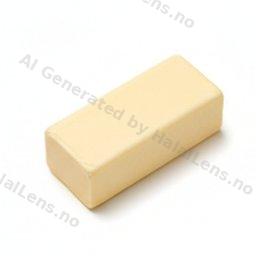
Butter
3 tablespoons
|
HALAL |
|
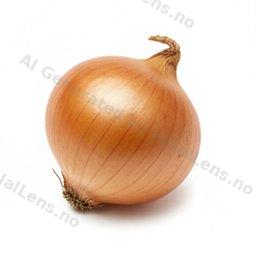
Onion
1 large, finely diced
|
HALAL |
|
|
Garlic
4 cloves, minced
|
HALAL |
|
|
Ginger
1 tablespoon, grated fresh
|
HALAL |

|
Tomato purée
1 cup (240ml) or crushed tomatoes
|
HALAL |
|
|
Ground cumin
1 teaspoon
|
HALAL |
|
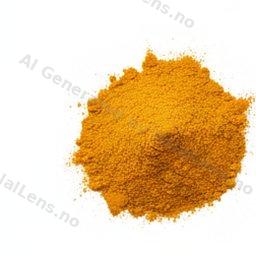
Turmeric
1/2 teaspoon
|
HALAL |
|
|
Ground coriander
1 teaspoon
|
HALAL |
|
|
Paprika
1 teaspoon
|
HALAL |
|
Chili powder
1/2 teaspoon
|
HALAL |
|
|
Garam masala
1 teaspoon
|
HALAL |
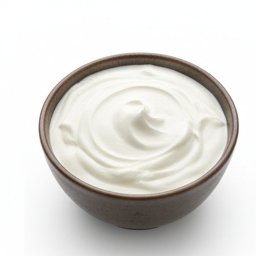 |
Heavy cream
1 cup (240ml)
|
HALAL |
|
|
Salt
To taste
|
HALAL |
For Garnish
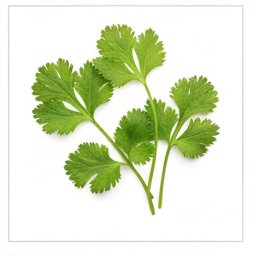 |
Fresh cilantro leaves
1/4 cup, chopped
|
HALAL |
Method
- Prepare the marinade: In a large bowl, combine the yogurt, minced garlic, grated ginger, ground cumin, ground coriander, garam masala, chili powder, paprika, and salt. Mix thoroughly until you have a smooth, vibrant paste. The yogurt's acidity will help tenderize the chicken while the spices penetrate deep into the meat.
- Marinate the chicken: Add the chicken pieces to the marinade, ensuring each piece is completely coated. Cover the bowl with plastic wrap and refrigerate for at least 4 hours, though overnight marination (12-24 hours) yields the most tender, flavorful results. The longer marination allows the lactic acid in the yogurt to break down the protein fibers, creating exceptionally juicy chicken.
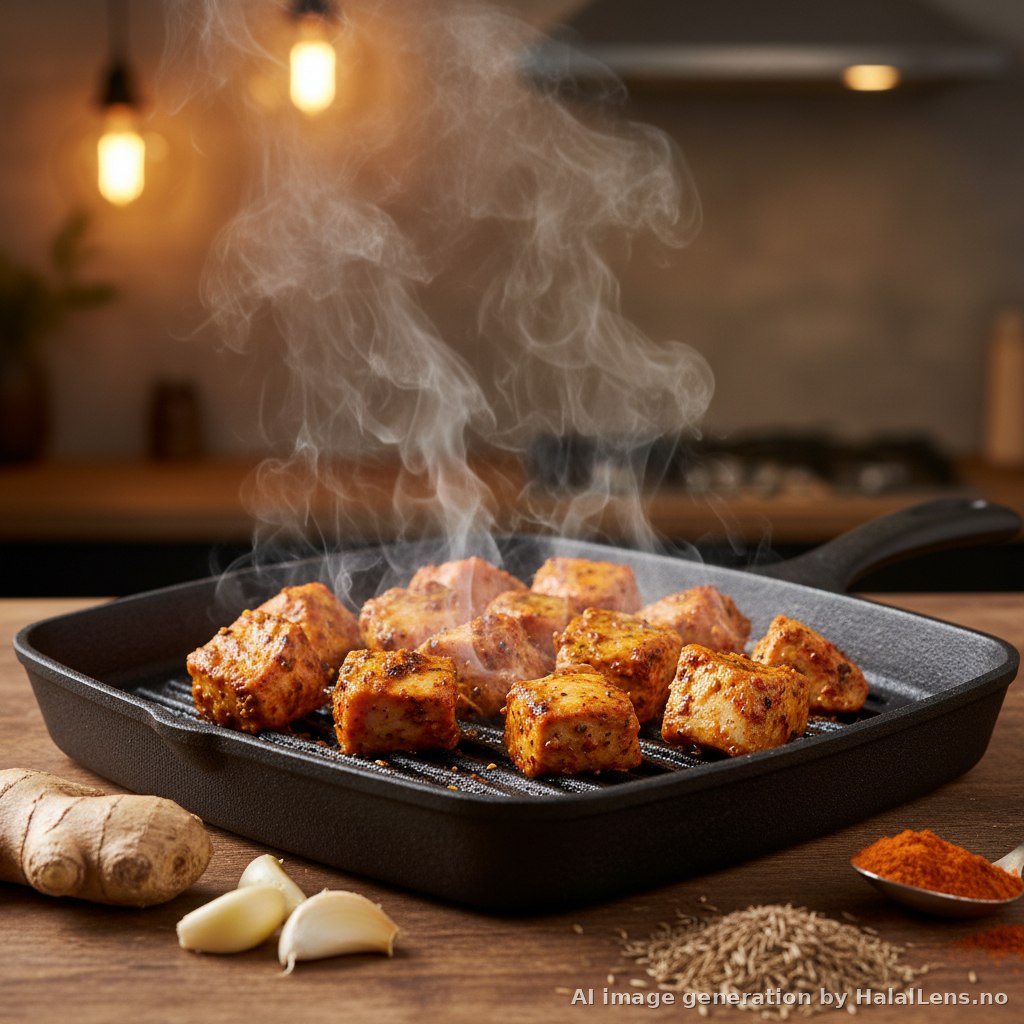
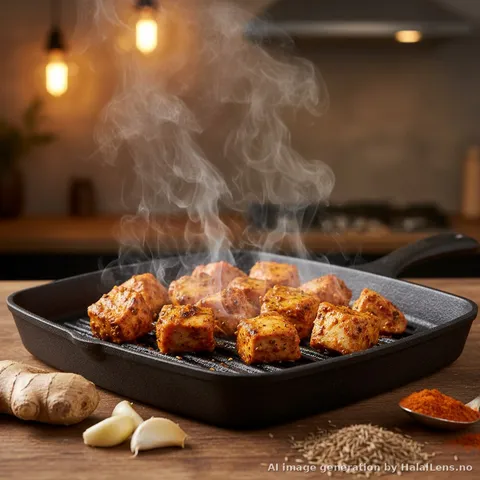
- Cook the chicken: Preheat your oven to 400°F (200°C). Line a baking sheet with parchment paper or lightly oil it. Arrange the marinated chicken pieces in a single layer, leaving space between each piece. Bake for 15-18 minutes until the chicken is cooked through (internal temperature of 165°F/74°C). For authentic charred edges, broil on high for 2-3 minutes, watching carefully to prevent burning. Alternatively, you can grill the chicken on an outdoor grill or grill pan over medium-high heat for 4-5 minutes per side. The goal is to develop some char while keeping the interior moist. Set the cooked chicken aside.
- Prepare the sauce base: In a large, deep skillet or Dutch oven, melt the butter over medium heat. Add the finely diced onion and sauté for 8-10 minutes, stirring occasionally, until the onion is soft, translucent, and beginning to caramelize at the edges. This slow cooking develops the sauce's natural sweetness and depth. Don't rush this step—properly caramelized onions are crucial to the dish's flavor foundation.
- Build the spice base: Add the minced garlic and grated ginger to the onions, stirring constantly for about 30 seconds until fragrant. Quickly add all the ground spices (cumin, turmeric, coriander, paprika, chili powder, and garam masala), stirring vigorously for 15-20 seconds. This technique, called "blooming" the spices, releases their essential oils and intensifies their aromatic compounds. Be careful not to let them burn—if the pan seems too hot, reduce the heat slightly.
- Add the tomatoes: Pour in the tomato purée or crushed tomatoes, stirring to combine with the spiced onion mixture. Bring to a gentle simmer, then reduce heat to medium-low. Let the sauce cook for 10-15 minutes, stirring occasionally, until it thickens noticeably and the raw tomato flavor mellows into a rich, concentrated sauce. You'll notice the color deepening to a vibrant red-orange as the flavors meld.
- Blend for smoothness (optional but recommended): For an ultra-smooth, restaurant-style sauce, carefully transfer the mixture to a blender or use an immersion blender directly in the pot. Blend until completely smooth and velvety. This step isn't mandatory, but it creates that signature creamy texture found in authentic curry houses. Return the blended sauce to the pan if you used a countertop blender.
- Finish with cream: Reduce heat to low. Slowly pour in the heavy cream while stirring continuously. The sauce will transform into a luscious, creamy consistency with a beautiful coral hue. Taste and adjust seasoning with salt as needed. Remember that the sauce will coat the chicken, so it should be well-seasoned but not overwhelming.
- Combine and simmer: Add the cooked chicken pieces to the sauce, along with any accumulated juices from the baking sheet (these carry concentrated flavor). Gently stir to coat each piece thoroughly. Cover the pan and let everything simmer together for 8-10 minutes over low heat. This final simmer allows the chicken to absorb the sauce while the flavors marry together into a cohesive dish.
- Garnish and serve: Remove from heat and transfer to a serving dish. Garnish generously with freshly chopped cilantro leaves. The bright, citrusy notes of cilantro provide a perfect counterpoint to the rich, creamy sauce. Serve immediately with steamed basmati rice, warm naan bread, or both. The dish also pairs beautifully with cooling cucumber raita or a simple onion and tomato salad.
Tips & Variations
- Chicken choice matters: Boneless, skinless chicken thighs are more forgiving and stay juicier than breasts, but either works well. Cut into uniform 2-inch pieces for even cooking.
- Don't skip the char: The slightly charred edges on the chicken are essential for authentic flavor. Whether you broil, grill, or use a grill pan, those caramelized bits add crucial depth and smokiness that defines tikka masala.
- Adjust heat levels: The chili powder in this recipe provides mild to moderate heat. For a milder version, reduce to 1/2 teaspoon in the marinade and omit from the sauce. For more heat, add fresh green chilies with the garlic and ginger, or include cayenne pepper.
- Dairy substitutions: For the marinade, use coconut yogurt or dairy-free yogurt if avoiding dairy. In the sauce, coconut cream makes an excellent substitute for heavy cream and adds a subtle tropical note that complements the spices beautifully.
- Make-ahead convenience: You can marinate the chicken up to 24 hours in advance. The sauce can also be prepared a day ahead and refrigerated; simply reheat gently and add the freshly cooked chicken before serving.
- Spice freshness: Ground spices lose potency over time. For the most vibrant flavor, use spices that are less than 6 months old, or better yet, toast and grind whole spices yourself for maximum aroma and intensity.
- Sauce consistency: If your sauce seems too thick, thin it with a splash of chicken stock or water. If it's too thin, simmer uncovered for a few extra minutes to reduce and concentrate the flavors.
- Leftovers improve: Like many curries, Chicken Tikka Masala tastes even better the next day after the flavors have had time to meld. Store in an airtight container in the refrigerator for up to 3 days, or freeze for up to 3 months.
- Serving suggestions: Beyond rice and naan, try serving over buttered flatbreads, with cumin-scented basmati pilaf, or alongside roasted vegetables. A squeeze of fresh lime juice just before serving adds a bright, acidic note that cuts through the richness.
- Vegetarian adaptation: Substitute paneer cheese cubes or chickpeas for the chicken, reducing cooking time accordingly. Paneer should be lightly pan-fried before adding to the sauce for the best texture.
AI disclosure: This recipe article was drafted with AI assistance and reviewed by HalalLens for accuracy and halal compliance.