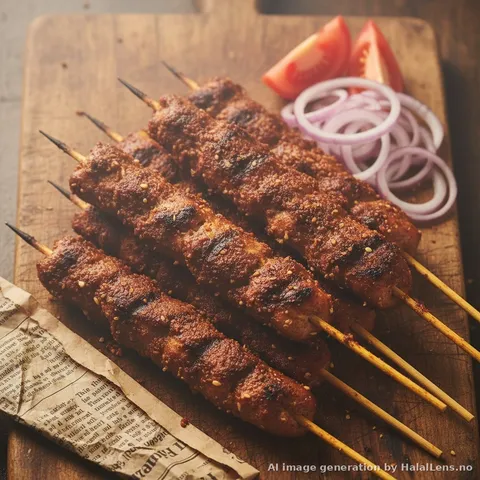
Kottu Roti — Sri Lankan Chopped Roti Stir-Fry with Chicken
Sri Lanka's iconic street food: godhamba roti chopped and stir-fried with chicken, egg, and vegetables. A halal-adapted, dedicated-pan take.
Kottu roti is the sound of Sri Lanka after dark: the rhythmic clang of two metal blades chopping flatbread against a hot steel griddle, echoing out of roadside stalls from Colombo to Kandy. Built from leftover godhamba roti hacked into confetti-sized pieces and tossed with egg, vegetables, and your choice of chicken, beef, or seafood, kottu roti is Sri Lanka's most recognizable street food export — equal parts comfort dish and percussion performance. This halal-adapted version keeps the chicken, the chopped-roti technique, and the smoky griddle flavor, while making sure every component on the plate is unambiguously permissible.
Kottu's story begins with resourcefulness rather than restaurant menus. According to Wikipedia's history of the dish, kottu is widely believed to have emerged in Sri Lanka's eastern Tamil-speaking regions, particularly around Trincomalee and Batticaloa, sometime in the 1960s or 1970s. Cooks with leftover godhamba roti — the thin, oil-laminated flatbread also known as "coconut roti" or "paratha" in other parts of South Asia — didn't want to waste it. Instead of reheating it plain, they chopped it into small pieces on the flat-top griddle and stir-fried it with whatever vegetables, egg, and meat scraps were on hand. The result was a dish born entirely out of thrift that went on to become a national obsession.
The name itself carries the dish's mixed heritage. As Cooking Class Colombo explains, "kottu" derives from Tamil and Sri Lankan Muslim spoken dialects and roughly translates to "chopped," describing the percussive knife-work central to the dish, while "godamba," the roti itself, has Sinhalese linguistic roots. Kottu is genuinely a shared creation — Tamil, Muslim, and Sinhalese communities all contributed to the dish as it's eaten today, which is part of why it's found at food stalls across every ethnic neighborhood in the country, each with a slightly different spin.
From Roadside Griddles to Global Fame
For decades, kottu stayed a hyperlocal, after-dark street food — the kind of thing eaten standing at a stall, drawn in by the sound before the smell. The Morning newspaper's retrospective on kottu traces its journey from these humble roadside origins into international fame, noting that the dish only really crossed borders in the early 2000s as Sri Lankan diaspora communities opened restaurants abroad and introduced kottu to a wider audience. Today it's served in Sri Lankan restaurants from London to Toronto to Melbourne, usually still finished with the same twin-cleaver chopping technique that gives the dish its name and its signature texture — never mushy, never soggy, always with distinct little ribbons of roti holding a slight char from the griddle.
The technique matters as much as the ingredient list. Cooks stack several sheets of godhamba roti, slice them into thin strips, then chop those strips into small squares directly on the hot griddle using the flat edges of two metal spatulas (or, in more traditional settings, cleavers) — the same tool doubling as a mixing implement and a percussion instrument. Vegetables, egg, and protein are worked in around the chopped roti, so everything picks up a light char and a smoky, griddle-seared flavor that's difficult to replicate any other way. It's this cooking method — chop, toss, fold, repeat — that separates kottu from a simple stir-fried noodle or fried rice dish, even though the ingredient logic (leftover starch plus vegetables plus protein) is similar.
This is HalalLens's first Sri Lankan recipe, and kottu roti is a deliberate starting point: it's the dish most people picture first when they think of Sri Lankan food, and the chopped-roti method has no real equivalent elsewhere in South Asian cooking. It should not be confused with other stir-fried flatbread dishes from the wider region — the chopping technique, the use of godhamba roti specifically, and the griddle-percussion style of cooking are what set kottu apart.
Halal Adaptation Notes
Traditional Sri Lankan kottu is prepared with a range of proteins, and street stalls in mixed neighborhoods will sometimes use the same griddle surface for pork, beef, chicken, and seafood versions back to back, which raises straightforward cross-contact concerns for anyone keeping halal. This recipe sidesteps that entirely by building the dish around boneless chicken thigh from the start, cooked on a dedicated pan with no shared surface. Every seasoning here is plant- or spice-based — Sri Lankan curry powder, turmeric, chili powder, ginger, garlic, and curry leaves — so there's no need to substitute for alcohol-based marinades or non-halal stock, which don't traditionally appear in kottu anyway.
The one ingredient worth flagging is soy sauce, which some modern or fusion-leaning kottu recipes splash in for extra umami and color. HalalLens ingredient records list soy sauce as MUSHBOOH (doubtful) because most commercial brands are naturally fermented and may contain trace alcohol as a byproduct of fermentation. It's optional in this recipe — the dish is fully flavorful without it thanks to the curry powder and griddle char — but if you do want to use it, choose a certified halal or alcohol-free soy sauce and check the label. Eggs, chicken, and all vegetables used here carry a HALAL status in the HalalLens ingredient database.
Recipe Snapshot
| Yield | 4 servings |
|---|---|
| Prep time | 25 minutes |
| Cook/Bake time | 20 minutes |
| Total time | 45 minutes |
| Cuisine | Sri Lankan |
Ingredients
Kottu comes together quickly once everything is prepped, so read through the ingredient list and have each item measured and within reach before the griddle heats up — this is a dish where the cooking itself takes minutes, not the prep.
Roti and Protein
|
Godhamba roti (flatbread)
4 sheets, store-bought or homemade, day-old works best
|
— |
|
Boneless chicken thigh
400g, cut into small bite-size pieces, halal-certified
|
— |
|
|
Egg
2 large, lightly beaten
|
HALAL |
Vegetables and Aromatics
|
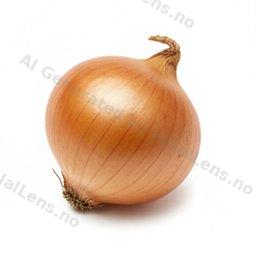
Onion
1 medium, thinly sliced
|
HALAL |
|
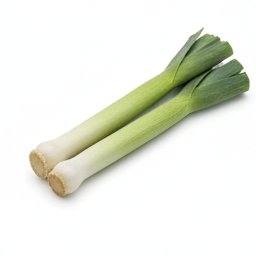
Leek
1, white and light green parts, thinly sliced
|
HALAL |

|
Carrot
1 medium, julienned
|
HALAL |
|
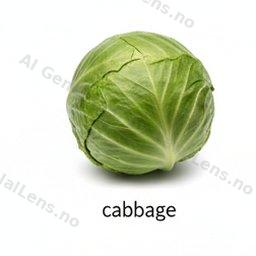
Cabbage
1 cup, shredded
|
HALAL |
|
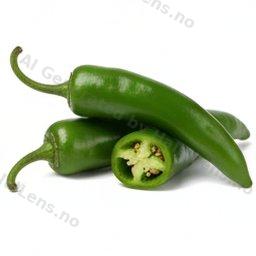
Green chilli
2, thinly sliced, adjust to taste
|
HALAL |
|
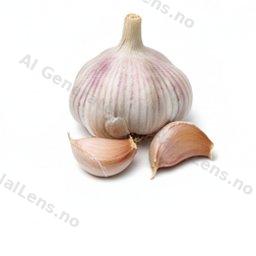
Garlic
3 cloves, minced
|
HALAL |
|
Ginger
1 tbsp, minced
|
— |

|
Curry leaves
1 sprig (about 10 leaves)
|
HALAL |
Spices and Seasoning
|
|
Turmeric
1/2 tsp
|
HALAL |
|
Sri Lankan curry powder
1 tbsp (or substitute mild curry powder)
|
— |
|
Chili powder
1/2-1 tsp, adjust to taste
|
— |

|
Soy sauce (optional)
1 tsp, use only a certified halal / alcohol-free brand
|
MUSHBOOH |
|
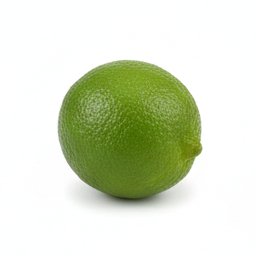
Lime
1 wedge per serving, for squeezing
|
HALAL |
|
Vegetable oil
3 tbsp, divided
|
— |
|
Salt
to taste
|
— |
Method
- Season and pre-cook the chicken. Toss the chicken pieces with turmeric, half the curry powder, and a pinch of salt. Heat 1 tablespoon of oil in a large flat-bottomed pan or wok over medium-high heat, add the chicken, and cook for 6-8 minutes, stirring occasionally, until browned and fully cooked through. Remove the chicken from the pan and set aside, leaving the pan and any residual oil in place.
- Cut the roti into strips. Stack the godhamba roti sheets on a cutting board. Using a sharp knife, slice the stack into thin strips (about 1cm wide), then rotate 90 degrees and cut across again to produce small, roughly square pieces. This chopped texture is the defining feature of kottu, so don't skip cutting it finely.
- Build the aromatic base. Add the remaining 2 tablespoons of oil to the same pan over medium-high heat. Add the curry leaves and let them sizzle for 10 seconds, then add the onion, garlic, and ginger. Stir-fry for 2 minutes until the onion turns translucent and the kitchen smells fragrant.
- Add the vegetables. Stir in the leek, carrot, cabbage, and green chilli. Cook for 3-4 minutes, tossing frequently, until the vegetables have softened slightly but still hold some bite — kottu vegetables should never turn mushy.
- Scramble in the egg. Push the vegetables to one side of the pan, pour the beaten egg into the cleared space, and scramble it lightly for about 30 seconds until just set. Fold the egg through the vegetables once it's mostly cooked.
- Add the roti and chop-toss. Add the cut roti pieces to the pan along with the remaining curry powder and chili powder. Using two spatulas (or a spatula and a wide metal turner), chop and toss the mixture vigorously and continuously for 3-4 minutes — this is the signature kottu motion, working the roti through the vegetables and egg so every piece picks up seasoning and a light char from the hot pan.
- Return the chicken. Add the cooked chicken back into the pan, along with the soy sauce if using. Continue chopping and tossing for another 2 minutes until everything is evenly combined and piping hot.
- Taste and adjust. Taste for salt and heat, adding more chili powder or salt as needed. The finished kottu should be dry (not saucy), with distinct pieces of roti rather than a mush.
- Serve immediately. Plate the kottu hot off the pan with a wedge of lime on the side, and, if you like, a small bowl of coconut sambol or a thin curry sauce for spooning over the top, exactly as it's served at Sri Lankan food stalls.
Tips & Variations
- No godhamba roti on hand? Frozen paratha (sold in most South Asian grocery stores) works as a close substitute — thaw and cook it plain on a dry pan before chopping, then follow the recipe as written.
- Get the chop-toss motion right. Keep the heat high and don't let the mixture sit still for more than a few seconds at a time; constant motion is what prevents the roti from clumping or turning gummy.
- Vegetable-forward version. Swap the chicken for extra cabbage, carrot, and a handful of chickpeas for a filling vegetarian kottu — the technique and seasoning stay exactly the same.
- Cheese kottu. A popular modern variation stirs in shredded mozzarella at the very end for a melty, indulgent twist that's become common at Sri Lankan restaurants abroad.
- Leftover roti is ideal. Day-old roti that's slightly dried out actually chops more cleanly than fresh, warm roti, so this is a genuinely good way to use up extras from another meal.
AI disclosure: This recipe article was drafted with AI assistance and reviewed by HalalLens for accuracy and halal compliance.