Nasi Lemak (Malaysian Coconut Rice with Sambal)
Malaysia's national dish since 1875. Fragrant coconut rice cooked with pandan leaves, served with dark red sambal tumis, crispy anchovies, roasted peanuts, and hard-boiled eggs. The breakfast that became a cultural icon.
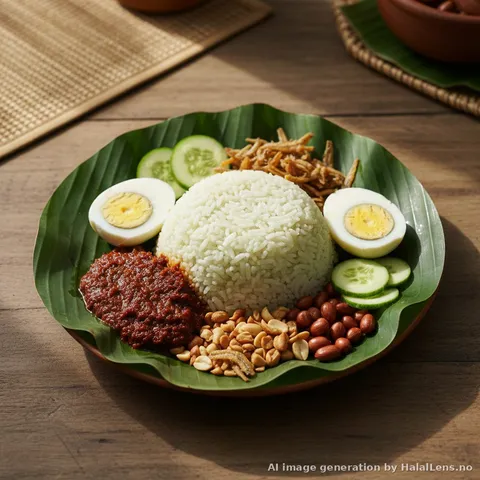
Nasi Lemak stands as Malaysia's most iconic dish—fragrant coconut rice crowned with fiery sambal, crispy anchovies, roasted peanuts, hard-boiled egg, and cool cucumber. More than breakfast, it's a national symbol, appearing on everything from street-cart platters to fine-dining tasting menus. This halal-adapted recipe honors the 1875 origins while ensuring all components meet Islamic dietary guidelines.
The name "nasi lemak" translates literally as "fat rice" or "rich rice," referring to the coconut cream that transforms plain jasmine rice into silky, aromatic luxury. First documented in 1875 in Pierre-Étienne-Lazare Favre's French-Malay dictionary, nasi lemak began as rural sustenance for farmers and plantation workers—portable, filling, shelf-stable in tropical heat. Rice cooked in santan (coconut milk) with pandan leaves (fragrant screwpine) provided slow-burning energy, while the protein-rich accompaniments (ikan bilis, egg) and fiery sambal jumpstarted the day with bold flavor.
By the 1980s, nasi lemak had undergone its transformation from farmers' fare to national cuisine. Malaysian street vendors (mak ciks, literally "aunties") began wrapping portions in banana leaves, selling them at dawn from roadside stalls and night markets. The dish's modular nature allowed infinite customization: basic nasi lemak lemak biasa (plain) featured just rice, sambal, anchovies, peanuts, and cucumber; premium versions added rendang curry, sambal sotong (squid), ayam goreng (fried chicken), or bergedil (potato cakes). By 2010, nasi lemak had achieved UNESCO recognition as Intangible Cultural Heritage, cementing its status as Malaysia's unofficial national dish.
From Breakfast Staple to All-Day Icon
Nasi lemak's appeal lies in its perfect balance of textures and flavors: creamy coconut rice, crunchy anchovies and peanuts, smooth egg, cool cucumber, and explosive sambal that ties everything together with chili heat and umami depth. The sambal—made from dried chilies, shallots, garlic, belacan (shrimp paste), and tamarind—is the soul of the dish. Malaysian cooks judge nasi lemak quality primarily by sambal quality: it should be dark red-brown (not bright orange), thick and slightly oily, sweet-spicy-sour-savory all at once. The ikan bilis (dried anchovies) must be fried until glass-crispy without bitterness, the peanuts freshly roasted, the egg precisely hard-boiled with jammy yolk.
Modern nasi lemak has evolved dramatically. Gourmet versions feature premium ingredients: organic coconut milk, heirloom rice, wild-caught anchovies. Fusion iterations incorporate Western elements—nasi lemak burgers, nasi lemak fried chicken, even nasi lemak pasta. Yet the classic street-stall version remains supreme: wrapped in banana leaf, served piping hot from a roadside cart at 6 AM, eaten with fingers, washed down with teh tarik (pulled milk tea). In 2026, nasi lemak transcends borders—found in Singapore hawker centers, Indonesian warungs, even international Malaysian restaurants in London, New York, and Melbourne.
Halal Adaptation Notes
Traditional nasi lemak is largely halal-compliant by default, but several components require verification. **Belacan (shrimp paste)**, a fermented seafood condiment, is the primary concern. While shrimp itself is halal, commercial belacan may contain non-halal additives (alcohol-based preservatives, non-halal emulsifiers) or be processed in facilities handling non-halal seafood. Solution: use halal-certified belacan brands (widely available in Malaysia/Singapore) OR substitute with vegetarian "belacan" made from mushrooms and seaweed (less authentic but acceptable). Ikan bilis (dried anchovies) must be sourced halal—avoid brands with alcohol-based preservatives or cross-contamination risks. Coconut milk and pandan leaves are inherently halal. With these precautions, nasi lemak becomes a fully permissible dish that honors both Malaysian culinary tradition and Islamic dietary law.
Recipe Snapshot
| Yield | 4 servings |
|---|---|
| Prep time | 20 minutes |
| Cook time | 30 minutes |
| Total time | 50 minutes |
| Cuisine | Malaysian |
Ingredients
Coconut Rice (Nasi Lemak)
|
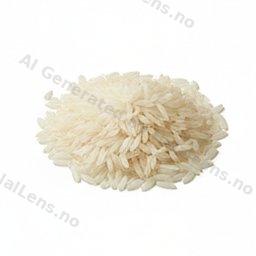
Jasmine rice
2 cups (400g), rinsed until water runs clear
|
HALAL |

|
Coconut milk
1 cup (250ml), full-fat (santan)
|
HALAL |

|
Water
1½ cups (375ml)
|
HALAL |
 |
Pandan leaves
3-4 leaves, tied into a knot
|
HALAL |

|
Lemongrass
1 stalk, bruised (optional but traditional)
|
HALAL |
|
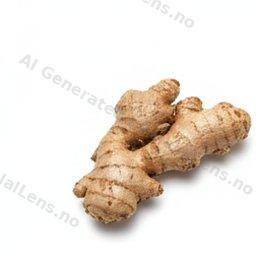
Fresh ginger
3 slices (about 1cm thick, optional)
|
HALAL |
|
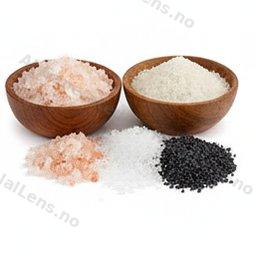
Salt
½ teaspoon
|
HALAL |
Sambal Tumis (Stir-Fried Chili Paste)

|
Dried red chilies
15-20 dried red chilies, soaked in hot water for 15 minutes
|
HALAL |
|
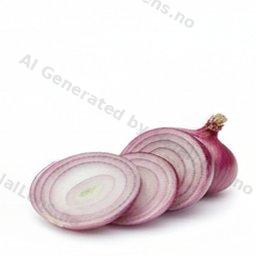
Shallots
6-8 medium shallots, peeled
|
HALAL |
|
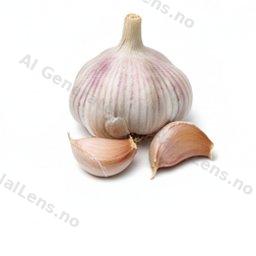
Garlic
4 cloves
|
HALAL |
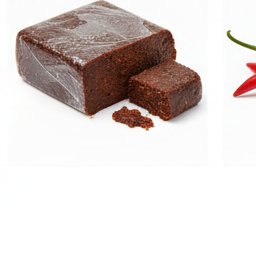 |
Belacan (shrimp paste)
1 tablespoon, toasted (use halal-certified OR vegetarian substitute)
|
MUSHBOOH |

|
Tamarind paste
2 tablespoons (or juice from tamarind pulp)
|
HALAL |
 |
Sugar
2-3 tablespoons (palm sugar preferred, white sugar acceptable)
|
HALAL |
|
|
Salt
1 teaspoon
|
HALAL |
 |
Vegetable oil
½ cup (125ml) for frying
|
HALAL |
Accompaniments (Lauk)
|
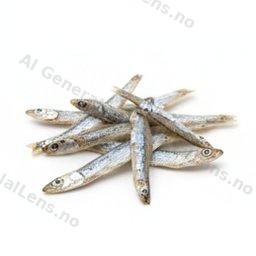
Ikan bilis (dried anchovies)
1 cup (about 100g), heads removed (halal-certified)
|
MUSHBOOH |

|
Raw peanuts
½ cup (about 80g), skinned
|
HALAL |

|
Eggs
4 large eggs (for hard-boiling)
|
HALAL |
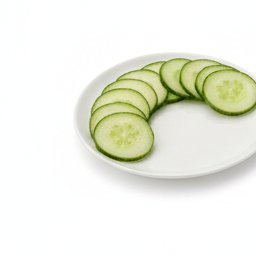 |
Cucumber
1 medium cucumber, sliced
|
HALAL |
|
Vegetable oil
For frying anchovies and peanuts
|
HALAL |
Method
Part 1: Cook Coconut Rice
- Rinse rice: Rinse jasmine rice (2 cups) under cold water 3-4 times until water runs clear. This removes excess starch, preventing mushy rice. Drain thoroughly.
- Combine liquids and aromatics: In a rice cooker or heavy-bottomed pot, combine rinsed rice, coconut milk (1 cup), water (1½ cups), pandan leaves (tied in knot), bruised lemongrass stalk, ginger slices, and salt (½ tsp). Stir gently to distribute coconut milk evenly—it should NOT separate or clump.
- Cook rice: If using rice cooker, press "cook" and let it run its full cycle. If using stovetop: bring to a boil over medium-high heat, then immediately reduce to lowest heat, cover with tight-fitting lid, and simmer for 15 minutes without lifting lid. After 15 minutes, turn off heat and let steam for 10 minutes (still covered). The rice should be fluffy, fragrant, slightly sticky from coconut cream, with pandan aroma permeating every grain.
- Fluff and rest: Remove pandan leaves, lemongrass, and ginger slices. Fluff rice gently with fork. Keep covered until serving to maintain warmth and moisture.
Part 2: Make Sambal Tumis
- Prepare chili paste: Drain soaked dried chilies. In a blender or food processor, combine drained chilies, shallots (6-8), garlic (4 cloves), and belacan (1 tbsp, toasted briefly in dry pan until fragrant). Blend to a smooth paste, adding 2-3 tbsp water if needed to facilitate blending. The paste should be thick, brick-red, intensely aromatic.
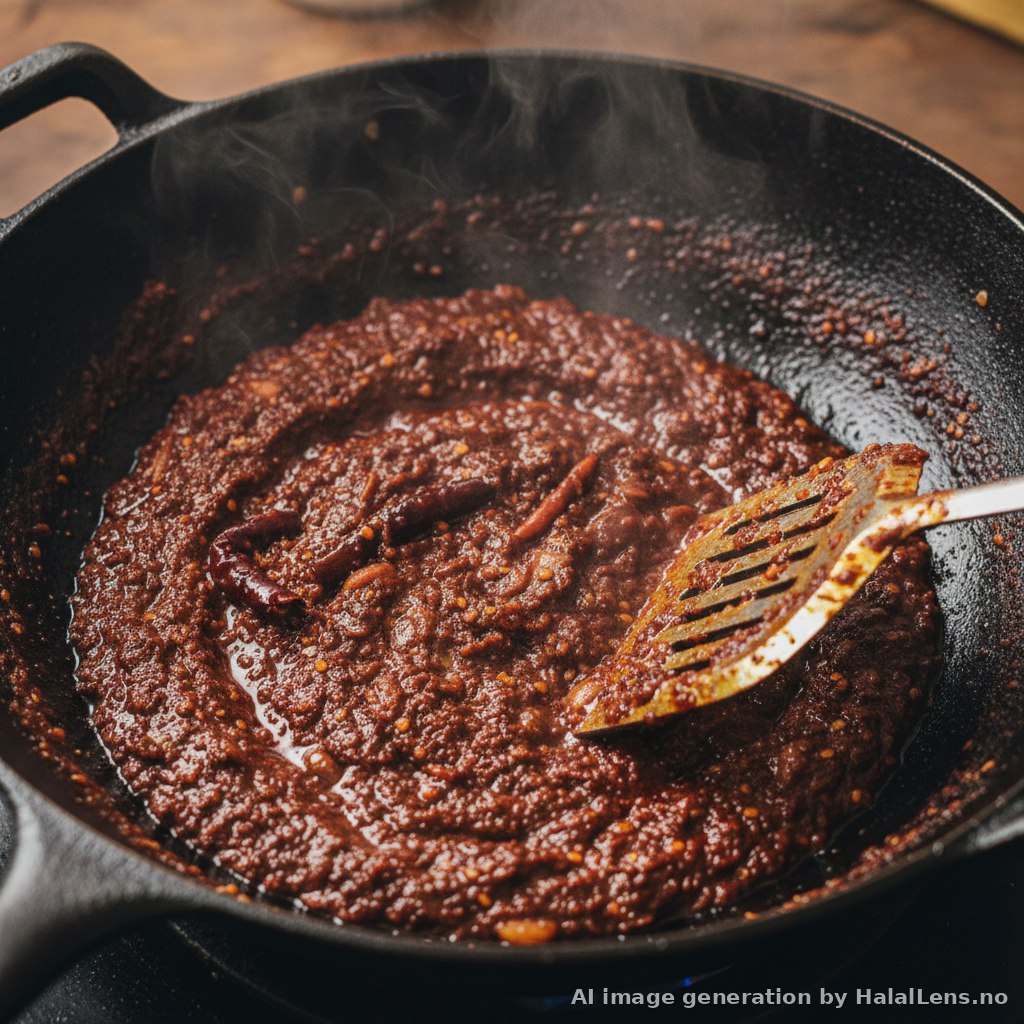
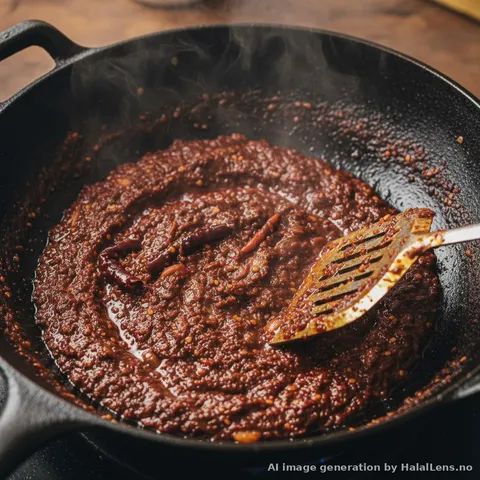
- Fry paste low and slow: In a wok or wide pan, heat vegetable oil (½ cup) over medium-low heat. Add chili paste. Stir constantly for 15-20 minutes, scraping bottom to prevent burning. The paste will darken from bright red to deep red-brown, become thicker, and release oil back into the pan (this is called "pecah minyak" or "oil split"—a sign of properly cooked sambal). If it's spattering violently, reduce heat. Patience is key: under-cooked sambal tastes raw and harsh; properly cooked sambal is sweet, complex, mellow.
- Season sambal: Once oil has separated and sambal is dark, add tamarind paste (2 tbsp), sugar (2-3 tbsp), and salt (1 tsp). Stir and cook for another 5 minutes, allowing flavors to meld. Taste: it should be balanced—sweet from sugar, sour from tamarind, salty, spicy, with deep umami from belacan. Adjust seasoning as needed. The final sambal should be thick, glossy, almost jam-like. Remove from heat.
Part 3: Prepare Accompaniments
- Fry ikan bilis (anchovies): Heat 3-4 tbsp vegetable oil in a pan over medium heat. Add dried anchovies (heads removed for less bitterness). Fry for 3-5 minutes, stirring constantly, until golden-brown and glass-crispy. They should shatter when bitten, not bend. Drain on paper towels. Be careful not to burn—they turn bitter quickly.
- Roast peanuts: In the same pan (wipe clean), dry-roast raw peanuts over medium-low heat for 5-7 minutes, stirring frequently, until fragrant and lightly golden. Alternatively, fry in 2 tbsp oil for faster, more even browning (3-4 minutes). Drain and set aside.
- Hard-boil eggs: Bring a pot of water to boil. Gently lower eggs (4) into boiling water. Boil for exactly 9 minutes for jammy yolk, 11 minutes for fully set yolk (Malaysian preference is fully set). Transfer to ice bath to stop cooking. Peel and halve lengthwise.
- Prepare cucumber: Slice cucumber into thin rounds or half-moons. The cool, crisp cucumber provides textural and temperature contrast against the warm, spicy components.
Part 4: Assemble & Serve
- Plate nasi lemak: On individual plates (or banana leaf for authenticity), place a generous mound of coconut rice. Top with 2-3 tablespoons sambal tumis. Arrange fried anchovies, roasted peanuts, half a hard-boiled egg, and cucumber slices around the rice. Traditionally, each diner mixes everything together before eating—the sambal coats the rice, the anchovies add crunch and salinity, the peanuts add nuttiness, the egg provides richness, the cucumber offers cool relief.
- Optional upgrades: For a more substantial meal, add rendang curry (beef or chicken), sambal sotong (spicy squid), ayam goreng berempah (spiced fried chicken), or bergedil (potato cakes). These transform nasi lemak biasa (plain) into nasi lemak istimewa (special).
Tips & Variations
- Rice texture: The coconut milk-to-water ratio is critical. Too much coconut milk = mushy, greasy rice. Too little = dry, under-flavored rice. The 1:1.5 ratio (1 cup coconut milk to 1.5 cups water) produces fluffy, fragrant rice with subtle coconut richness.
- Pandan leaves: Essential for authentic aroma. If unavailable, omit rather than substitute with pandan extract (which tastes artificial). Tie leaves into a knot to bruise them, releasing fragrance.
- Sambal color: Authentic nasi lemak sambal is DARK red-brown, not bright orange-red. The darkness comes from long frying (caramelization of sugars and proteins in chilies/shallots). Bright sambal indicates under-cooking.
- Belacan substitutes: For halal compliance, use halal-certified belacan OR vegetarian mushroom-based "belacan". To skip belacan entirely: increase salt and add 1 tbsp miso paste for umami depth (less authentic but acceptable).
- Make-ahead: Sambal can be made 1 week ahead, refrigerated in airtight container. It actually tastes better after 1-2 days as flavors meld. Coconut rice is best fresh but can be refrigerated overnight; reheat by steaming or microwaving with damp paper towel. Anchovies and peanuts stay crispy for 2-3 days in airtight container at room temperature.
- Ikan bilis bitterness: The small black heads of ikan bilis contain guts that turn bitter when fried. Remove heads for cleaner flavor. Some Malaysians also soak anchovies in water for 10 minutes before frying to remove excess salt.
- Banana leaf serving: For authentic presentation, serve on banana leaf (available frozen in Asian markets). Warm the leaf briefly over flame to make it pliable, wipe clean, use as plate. The leaf imparts subtle fragrance and elevates the dining experience.
- Regional variations: Penang nasi lemak features spicier, oilier sambal and often includes squid or prawns. Singaporean nasi lemak tends toward sweeter sambal and fried chicken wing. Sabahan nasi lemak uses local ingredients like wild ferns (pucuk paku) and freshwater fish.
- Serving temperature: Nasi lemak can be served warm (traditional breakfast) or at room temperature (wrapped street-stall style). The rice should never be cold—cold coconut rice hardens unpleasantly.
- Leftovers: Transform leftover nasi lemak into nasi goreng lemak (fried coconut rice): stir-fry rice with egg, vegetables, and extra sambal for a delicious second meal.
AI disclosure: This recipe article was drafted with AI assistance and reviewed by HalalLens for accuracy and halal compliance.