Pide: Turkey’s Iconic Boat-Shaped Flatbread (Halal Kiymali and Peynirli)
Master the art of Turkish pide — the boat-shaped flatbread baked in blazing stone ovens. Two classic halal versions: kiymali (spiced ground beef) and peynirli (melted cheese with egg), with an authentic dough recipe rooted in Ottoman tradition.
Pide (pronounced "pee-deh") is Turkey's iconic boat-shaped flatbread — a golden, crisp-edged vessel generously filled with spiced ground meat, melted cheese, or a combination of both. Baked in blazing-hot stone ovens called taş fırın, pide is at once rustic comfort food and a masterpiece of Anatolian culinary tradition. Whether you encounter it at a dedicated pideci shop in Istanbul's Fatih district or at a seaside restaurant on the Black Sea coast, a freshly baked pide, sliced into strips and served with a cold glass of ayran, is one of Turkey's most deeply satisfying eating experiences.
The word pide traces its origins to the Greek pita, yet the Turkish version developed its own unmistakable identity over centuries of Ottoman court culture and Anatolian village tradition. Historical records from the reign of Sultan Bayezid II (r. 1481–1512) include a 1502 imperial decree stipulating that pide dough must be made to a higher standard of purity than ordinary bread — a testament to how seriously the Ottomans took their flatbread. According to Turkey's Tourism Promotion and Development Agency, pide shops called pideci flourished in every Ottoman city, and the craft of shaping and baking pide was passed down through guild traditions that stretched from Istanbul to the furthest reaches of Anatolia.
Regional variation is one of pide's great charms. The Black Sea city of Samsun is widely credited as the heartland of the modern meat-filled pide style, and Samsun-style kiymali pide — laden with fine-minced beef or lamb, onion, and tomato — remains the benchmark against which all other versions are measured. Further east along the Black Sea coast, the city of Trabzon is celebrated for its peynirli pide, in which local kaşar (kasseri-style) cheese melts into a gloriously rich, pull-apart filling. In southeastern Anatolia, pide makers favour intensely spiced lamb with dried chillies, while the Aegean coast leans toward lighter vegetable and herb fillings. Ozlem's Turkish Table and Silk Road Recipes both highlight how each region's ingredients, spices, and baking techniques have shaped a distinct local pide identity.
A Living Tradition: From Ottoman Ovens to Modern Pideci Shops
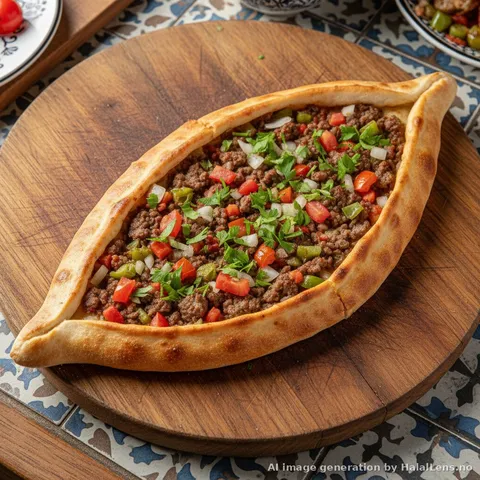
For centuries, pide was baked communally. Families would prepare their dough at home and carry it to the neighbourhood stone oven, where a skilled fırıncı (baker) would slide it into the inferno on a long-handled wooden peel. The intense heat — often exceeding 400 °C — creates the defining textural contrast of great pide: a base that is simultaneously crisp underneath and tender within, with charred, puffed edges that frame the filling like a natural bowl. Milk Street's analysis of Turkish flatbreads notes that this boat shape is not merely decorative; it evolved specifically to hold generous fillings without them spilling, and the pinched ends lock in moisture during baking, steaming the filling from within while the outer crust crisps.
Today, dedicated pideci shops are a fixture of every Turkish town and city. Many open before dawn and close only when the last dough ball has been shaped and baked. Customers choose their topping — kiymali (minced meat), peynirli (cheese), sucuklu (cured beef sausage), kuşbaşı (cubed lamb), or karisik (mixed) — and watch as the baker stretches the dough by hand, spreads the filling in a single fluid motion, and folds the long sides upward to form the characteristic hull. The entire baking process takes under ten minutes in a professional stone oven, making pide one of the fastest hot meals in Turkish street food culture. During Ramadan, pide takes on an even greater cultural significance: Ramazan pidesi, a plain sesame-and-nigella-seeded version, is the traditional bread broken at iftar (the fast-breaking meal), and queues outside the best bakeries can stretch around the block.
Halal Adaptation Notes
Traditional Turkish pide is naturally suited to halal cooking. The meat-filled versions are always made with lamb or beef — pork is never used in authentic Turkish pide. For this recipe, we use certified halal ground beef or lamb. The only ingredient requiring attention is the cheese: kaşar peyniri (Turkish kasseri) is used in Turkey, but halal-certified mozzarella or a halal kasseri is an excellent substitute that melts beautifully. As always, verify that your yeast, flour, and any processed cheeses carry a recognised halal certification mark in your country.
Recipe Snapshot
| Yield | 4 pide (serves 4–6) |
|---|---|
| Prep time | 30 minutes (plus 1 hr dough rise) |
| Bake time | 10–12 minutes per pide |
| Total time | ~1 hour 45 minutes |
| Cuisine | Turkish / Anatolian |
Ingredients
This recipe makes the classic dual-filling pide: kiymali (spiced ground beef) and peynirli (melted cheese with egg). The dough is the same for both.
Pide Dough
|
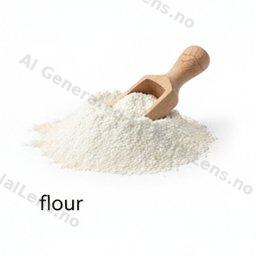
Flour (bread or all-purpose)
500 g (4 cups), plus extra for dusting
|
HALAL |
|
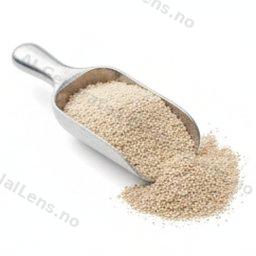
Instant Yeast
7 g (1 sachet / 2¼ tsp)
|
HALAL |

|
Sugar
1 tsp (to activate yeast)
|
HALAL |

|
Water (warm)
300 ml (1¼ cups), approx. 38 °C
|
HALAL |

|
Olive Oil
3 tbsp
|
HALAL |
|
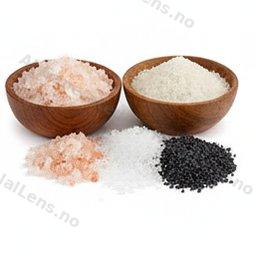
Salt
1½ tsp
|
HALAL |
Kiymali (Spiced Ground Beef) Filling
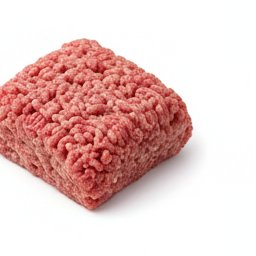 |
Ground Beef (halal-certified)
400 g (14 oz), 80% lean
|
MUSHBOOH |
|
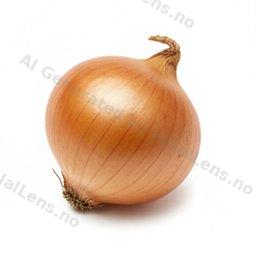
Onion
1 large, finely grated or chopped
|
HALAL |

|
Tomato
2 medium, finely chopped (or 3 tbsp tomato paste)
|
HALAL |
|
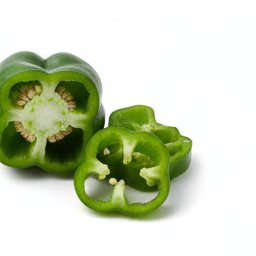
Green Bell Pepper (or Turkish sivri biber)
1 medium, finely diced
|
HALAL |
|
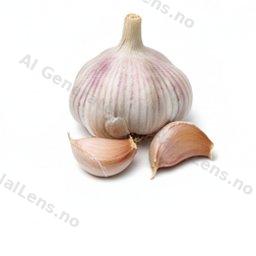
Garlic
2 cloves, minced
|
HALAL |

|
Paprika (sweet or mild)
1 tsp
|
HALAL |
|
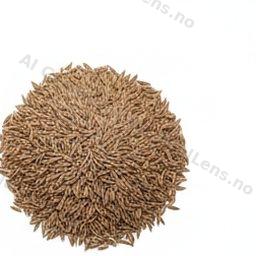
Cumin
½ tsp, ground
|
HALAL |
|
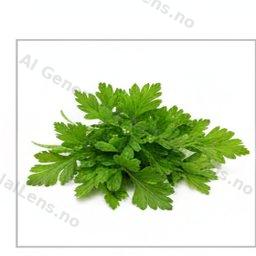
Flat-Leaf Parsley
Small bunch, finely chopped
|
HALAL |
Peynirli (Cheese & Egg) Filling
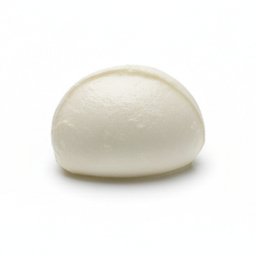 |
Halal Mozzarella or Kasar Cheese
250 g, coarsely grated
|
MUSHBOOH |
|
Halal White Cheese (beyaz peynir) or Feta
100 g, crumbled
|
MUSHBOOH |

|
Egg
2 eggs (1 per peynirli pide, cracked on top last 3 min)
|
HALAL |
To Finish
|
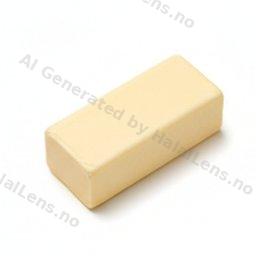
Butter (halal)
30 g, melted (brushed over crust when hot from oven)
|
HALAL |

|
Milk
2 tbsp (mixed with 1 egg yolk for glaze)
|
HALAL |
Method
- Make the dough. Combine the warm water, sugar, and instant yeast in a small bowl and stir gently. Set aside for 5 minutes until the surface looks slightly foamy. In a large mixing bowl, whisk together the flour and salt, then pour in the yeast mixture and olive oil. Mix with a wooden spoon until a shaggy dough forms, then turn out onto a lightly floured surface and knead for 8–10 minutes until the dough is smooth, elastic, and slightly tacky but not sticky. Alternatively, use a stand mixer with a dough hook on medium speed for 6 minutes. Place the dough in a lightly oiled bowl, cover with a clean tea towel, and leave to rise in a warm spot for 1 hour, or until doubled in size.
- Prepare the kiymali filling. While the dough rises, combine the ground beef, grated onion, finely chopped tomato, diced green pepper, minced garlic, paprika, cumin, and chopped parsley in a bowl. Season generously with salt and black pepper. Mix well with your hands until everything is evenly distributed. Do not pre-cook the filling — it cooks on the raw dough inside the hot oven, which keeps it moist and flavourful.
- Prepare the peynirli filling. In a separate bowl, combine the grated mozzarella (or kasar) and crumbled white cheese (or feta). Mix with a fork to distribute evenly. Set aside. Keep the eggs separate — they will be cracked directly onto the pide near the end of baking.
- Preheat the oven. Set your oven to its maximum temperature — ideally 250–260 °C (480–500 °F) — with a large baking stone, steel, or heavy inverted baking tray inside. Allow it to heat for at least 30 minutes. High heat is non-negotiable for authentic pide: without it, the base steams rather than crisps.
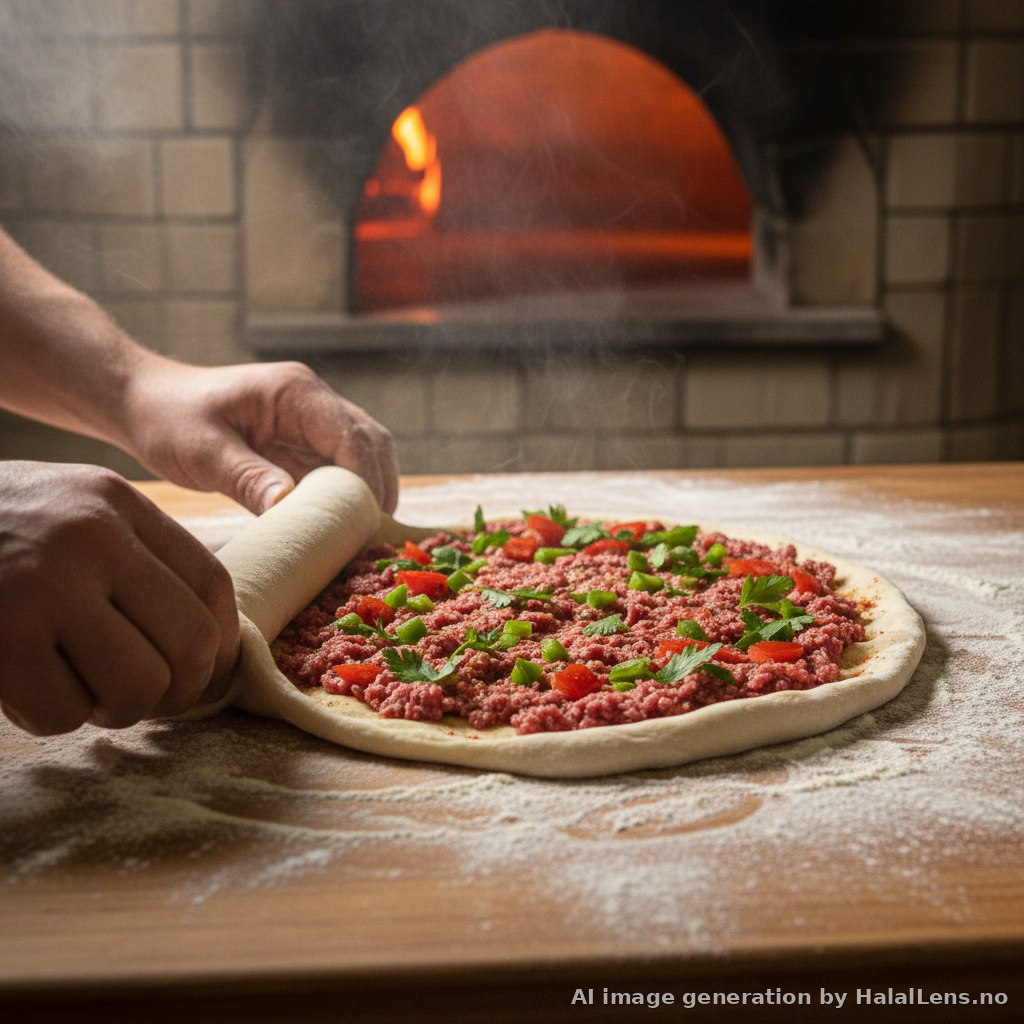
- Divide and shape. Punch down the risen dough and divide it into 4 equal portions. Working with one piece at a time (keep the rest covered), use a rolling pin on a lightly floured surface to roll each portion into an oval shape approximately 30 cm (12 in) long and 15 cm (6 in) wide, about 3–4 mm thick. Transfer to a sheet of baking paper.
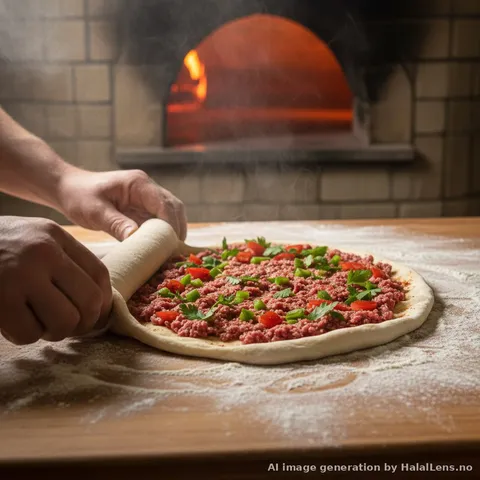
- Fill the pide. For kiymali pide: spread the raw meat filling in a thin, even layer over the dough, leaving a 2 cm border on all sides. For peynirli pide: scatter the cheese mixture generously over the dough, again leaving a border. Fold the long sides of each oval upward and over the edge of the filling, then pinch and twist both ends firmly to seal, creating the classic boat shape. Brush the exposed crust with an egg-yolk-and-milk glaze.
- Bake the pide. Using the baking paper as a sling, slide the pide onto the preheated baking stone or tray (bake one or two at a time depending on oven size). Bake for 8–10 minutes until the crust is deep golden and the filling is cooked through. For peynirli pide, crack one egg gently onto the cheese filling after 7 minutes of baking, then return to the oven for the final 2–3 minutes until the egg white is just set but the yolk remains slightly runny.
- Finish with butter. As soon as the pide comes out of the oven, brush the hot crust generously with melted butter — this gives it the glossy, aromatic finish characteristic of great pideci shops. Slide onto a wooden board, cut each pide into 4–5 diagonal strips with a pizza cutter or large knife, and serve immediately.
Tips & Variations
- High heat is everything. The single most important factor in pide is oven temperature. If your oven only reaches 220 °C, consider using the grill/broiler for the last 2 minutes to char the edges.
- Sucuklu pide: Replace the ground beef with thinly sliced halal beef sucuk (dried cured sausage). No extra spices needed — sucuk's own seasoning is sufficient.
- Kusbasl pide: Use small cubes of marinated halal lamb shoulder instead of ground meat, cooked with onion, tomato, and dried chilli flakes for a chunkier, more texturally varied filling.
- Ramazan pidesi: Make plain pide dough, top with a yoghurt glaze (3 tbsp yoghurt + 1 egg yolk), and press a diamond pattern into the surface with your fingertips. Scatter sesame seeds and nigella seeds generously. Bake until puffed and golden — this is the classic Ramadan pide served at iftar across Turkey.
- Leftover pide reheats well in a dry frying pan over medium heat for 2–3 minutes per side, restoring much of the original crispness. Avoid the microwave, which makes the crust rubbery.
- Serve with: ice-cold ayran (salted yoghurt drink), marinated green chillies, and fresh tomato-parsley salad.
AI disclosure: This recipe article was drafted with AI assistance and reviewed by HalalLens for accuracy and halal compliance.