Tom Yum Goong (Traditional Thai Hot-and-Sour Shrimp Soup)
A traditional clear-broth Tom Yum Goong with shrimp, lemongrass, galangal, and kaffir lime leaves. Bright, sour, and herbal with halal-compliant ingredients.
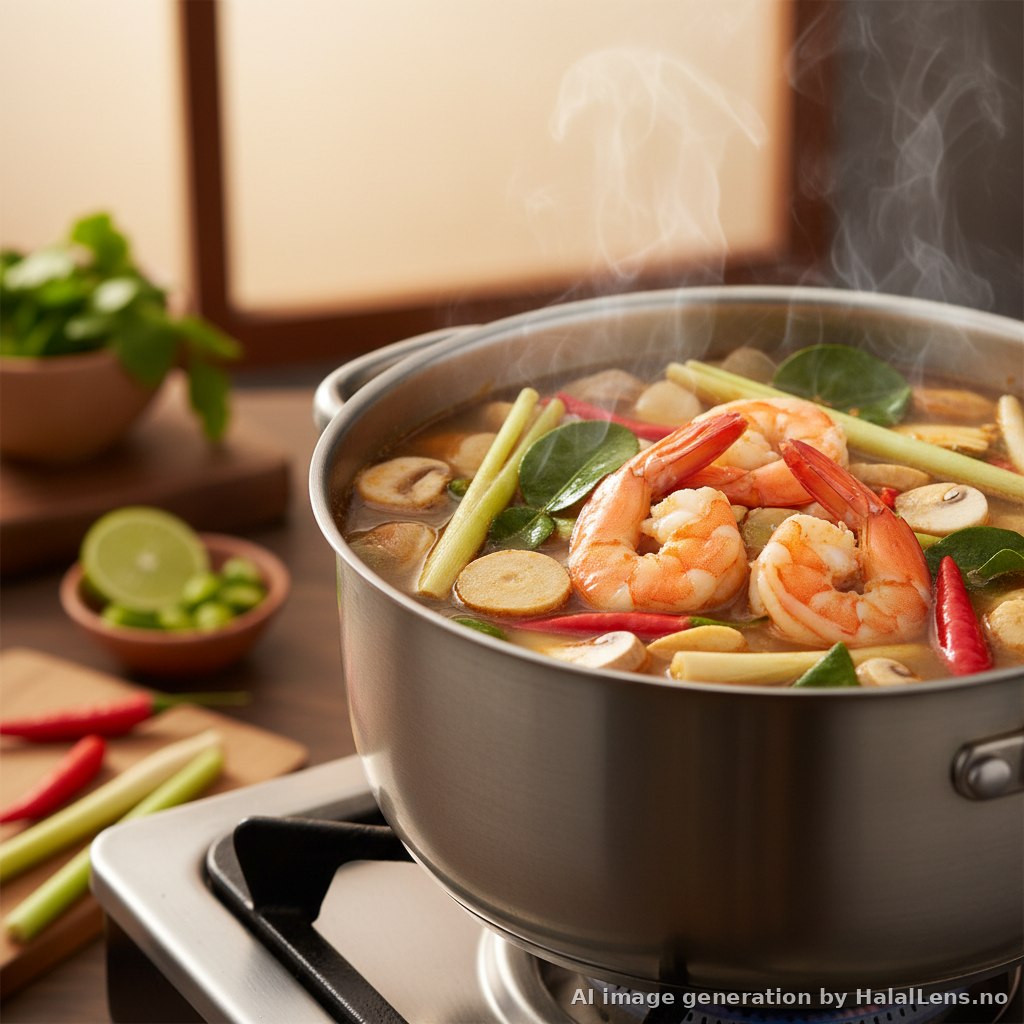
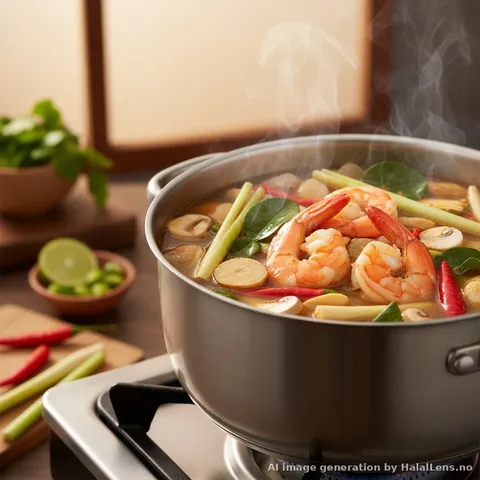
Tom Yum Goong is Thailand's iconic hot-and-sour shrimp soup, a bright, aromatic broth built on lemongrass, galangal, and kaffir lime leaves. The balance of sour, salty, spicy, and herbal notes is a hallmark of Thai cooking, and Tom Yum is often the first dish people associate with Thai cuisine worldwide. The version below follows the traditional clear-broth style (tom yum nam sai), highlighting the fresh herb infusion and the natural sweetness of shrimp. It is a dish rooted in everyday Thai home cooking and community meals, yet celebrated internationally for its fragrance and depth.
Thailand submitted Tom Yum Kung (Tom Yum Goong) to UNESCO's Representative List of the Intangible Cultural Heritage of Humanity, underscoring its role as a living culinary tradition passed down through families and communities. The UNESCO documentation highlights how the soup is tied to local knowledge of herbs and seasonal ingredients, especially in the central plains, and how it is commonly prepared and shared during gatherings and festivities. This cultural context anchors the recipe below, which stays close to the traditional flavor profile while using halal-compliant ingredients and methods. UNESCO listing, Thailand Ministry of Foreign Affairs, and Thailand Public Relations Department describe the soup's heritage, its herbal base, and its social role.
From River Markets to the Global Table
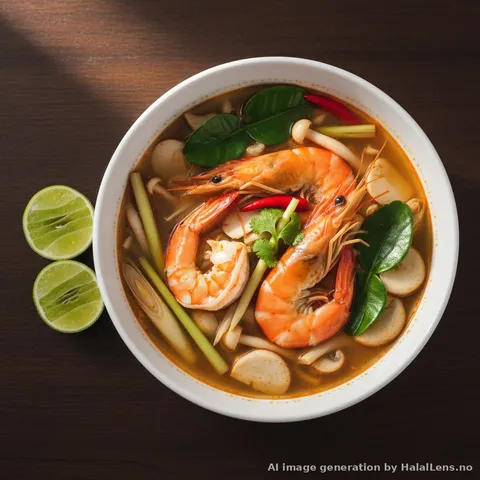
Tom Yum is often associated with the central plains of Thailand, a region shaped by the Chao Phraya river system and long-standing networks of river markets. The soup's signature ingredients reflect that environment: lemongrass and galangal provide citrusy and peppery depth; kaffir lime leaves bring a distinct floral aroma; and fresh chilies contribute a clean, sharp heat. UNESCO's file on Tom Yum Kung emphasizes that this soup is not just a recipe but a body of knowledge, encompassing sourcing, preparation, and communal sharing. In many Thai households, the broth is made with shrimp shells for deeper flavor, then finished with fish sauce and lime juice to dial in the bright, balanced taste.
In official Thai sources, Tom Yum is described as a soup with a distinctive herbal base and a balance of sour and spicy flavors. The Ministry of Foreign Affairs notes its inscription on the UNESCO list and its recognition as part of Thailand's living heritage, while the Public Relations Department highlights its herbal ingredients and the role of community knowledge in preserving the dish. Taken together, these accounts emphasize that Tom Yum is both everyday and ceremonial: it can be served at family meals, roadside stalls, and celebratory gatherings, depending on the occasion. This recipe is intended to preserve those core flavors and techniques while ensuring the ingredients meet halal requirements.
Halal Adaptation Notes
Tom Yum Goong is naturally well suited to halal cooking because its base is seafood and herbs rather than alcohol or pork. The key adaptation is to ensure that fish sauce and any prepared chili paste are certified halal or made without non-halal additives. If using stock, choose a halal chicken or seafood stock without alcohol. Some Thai cooks finish the soup with evaporated milk for a creamy version (tom yum nam khon); this recipe stays with the traditional clear broth (nam sai) to keep the flavor crisp and herbal.
Recipe Snapshot
| Yield | 4 bowls |
|---|---|
| Prep time | 20 minutes |
| Cook/Bake time | 15 minutes |
| Total time | 35 minutes |
| Cuisine | Thai |
Ingredients
The quantities below are sized for a clear-broth Tom Yum Goong. Adjust chilies and lime juice to taste. Use shell-on shrimp or prawns for the most aromatic broth, then remove shells before serving if desired.
|
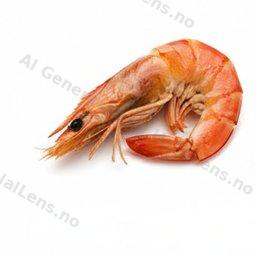
Shrimp (prawns, shell-on)
450 g
|
MUSHBOOH |

|
Water or halal chicken stock
6 cups
|
HALAL |
|
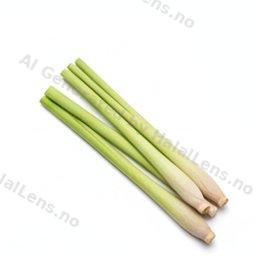
Lemongrass
2 stalks, bruised
|
HALAL |
|
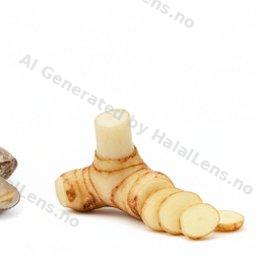
Galangal
6 to 8 thin slices
|
HALAL |

|
Kaffir lime leaves
6 to 8 leaves, torn
|
HALAL |
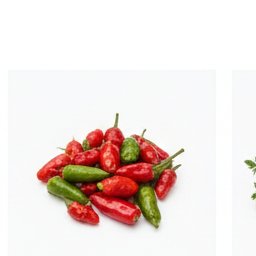 |
Thai bird's eye chilies
3 to 6, lightly bruised
|
HALAL |
|
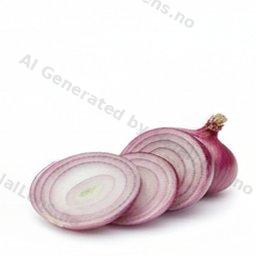
Shallots
2 small, sliced
|
HALAL |
|
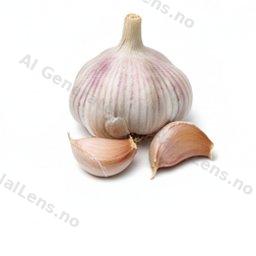
Garlic
3 cloves, lightly crushed
|
HALAL |
|
Straw mushrooms (or button mushrooms)
200 g, halved
|
HALAL |
|
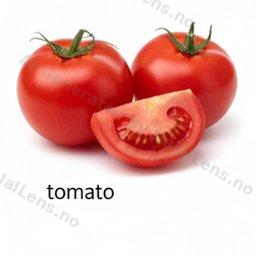
Tomato
1 small, cut into wedges
|
HALAL |
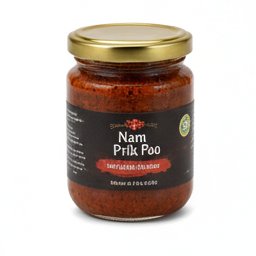 |
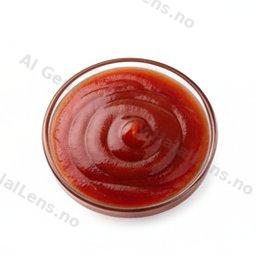
Nam prik pao (Thai chili paste)
1 to 2 tbsp (optional)
|
MUSHBOOH |
|
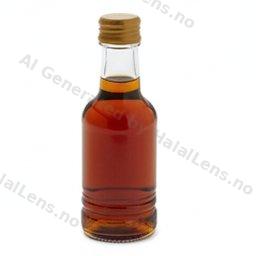
Fish sauce (halal-certified)
2 to 3 tbsp
|
HALAL |
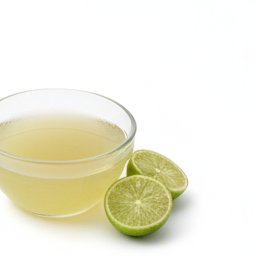 |
Fresh lime juice
3 to 4 tbsp
|
HALAL |

|
Palm sugar
1 tsp (optional)
|
HALAL |
|
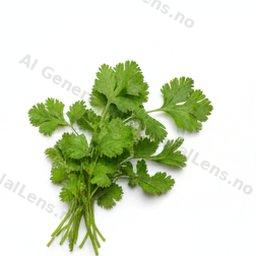
Cilantro (coriander leaves)
Small handful, for garnish
|
HALAL |
Method
- Rinse the shrimp (prawns) and reserve the shells. Bring water or stock to a gentle boil, then add shrimp shells and simmer for 5 to 7 minutes to build flavor. Strain out the shells for a clear broth.
- Add lemongrass, galangal, kaffir lime leaves, shallots, garlic, and chilies. Simmer 5 minutes to infuse the broth, keeping the heat gentle so the herbs stay bright.
- Add mushrooms and tomato. Simmer 2 to 3 minutes until just tender.
- Add shrimp (prawns) and cook until just pink and firm, about 2 minutes.
- Remove from heat. Stir in fish sauce, lime juice, and optional palm sugar. Adjust to a balanced sour-salty-spicy taste. If using nam prik pao, stir it in now for a deeper aroma and slight sweetness.
- Garnish with cilantro and serve immediately. For diners sensitive to heat, serve extra chilies on the side instead of in the pot.
Tips & Variations
- For the clearest broth, avoid boiling hard after adding shrimp; high heat can cloud the soup.
- If kaffir lime leaves are unavailable, a thin strip of lime zest helps, but the floral aroma will be lighter.
- To make tom yum nam khon (creamy style), add 2 to 3 tbsp evaporated milk after removing from heat.
- Balance is everything: start with less fish sauce and lime, then adjust to taste.
AI disclosure: This recipe article was drafted with AI assistance and reviewed by HalalLens for accuracy and halal compliance.