Risgrøt (Norwegian Rice Porridge)
Creamy Norwegian risgrøt slow-cooked in milk and served with butter, sugar, and cinnamon, a traditional weekend and Christmas dish.
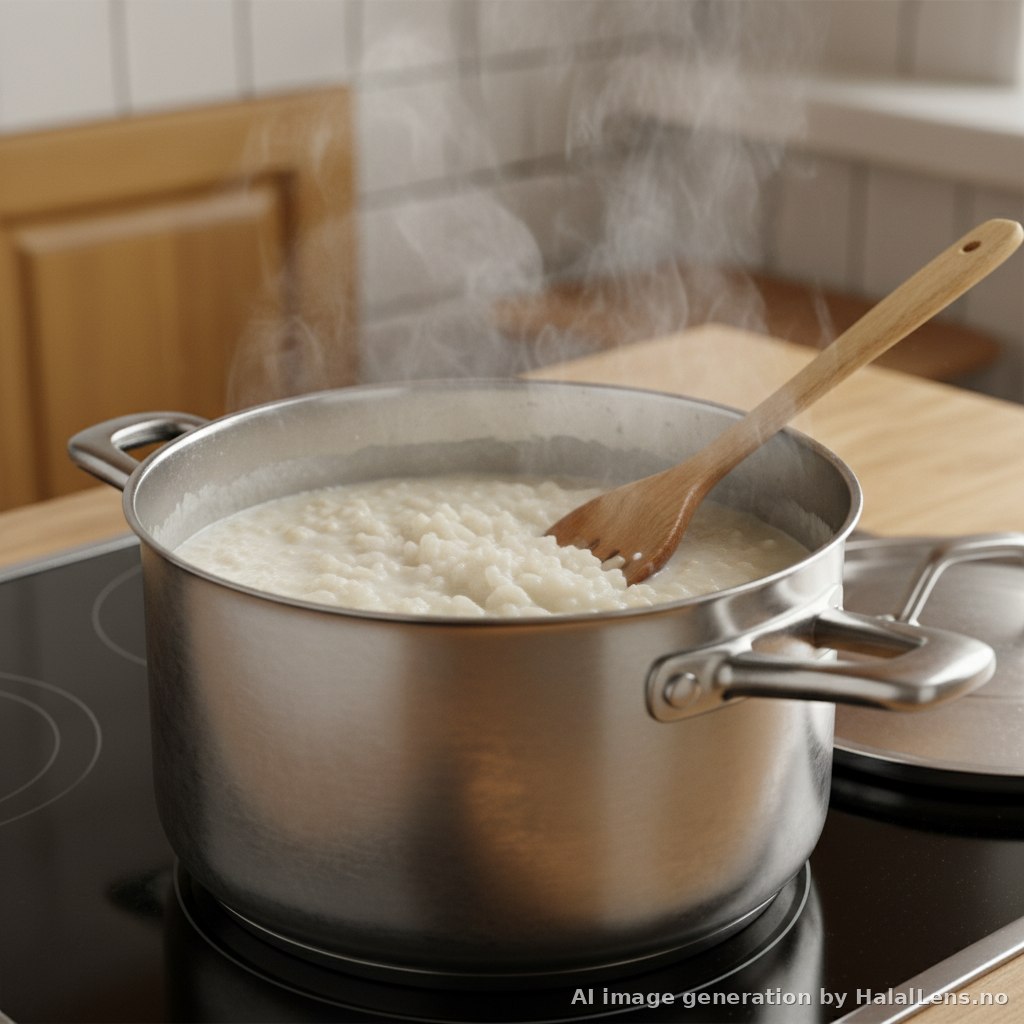
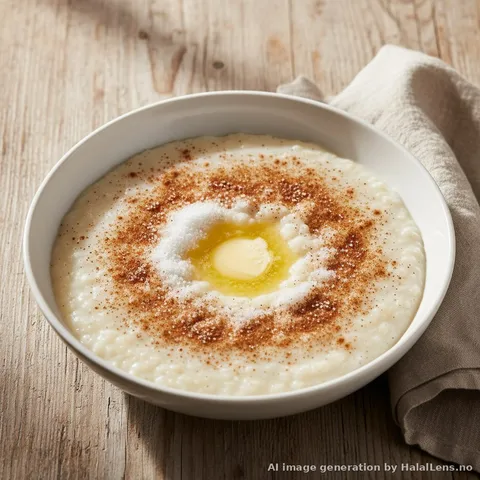
Risgrøt is Norway’s creamy rice porridge: slow‑cooked short‑grain rice in milk, finished with a generous butter “eye,” sugar, and cinnamon. It’s comforting, simple, and deeply rooted in everyday life as well as holiday tradition. The flavor is mild and warm, letting the dairy and rice shine, while the toppings add a sweet, aromatic finish that defines the dish.
In Norwegian food culture, porridge (grøt/graut) has been a foundational meal for centuries. Store norske leksikon notes that porridge is among the oldest known cereal dishes and that Norwegian porridge traditions often use grains such as barley, oats, wheat, and rice, with water or milk as the cooking liquid. Risengrynsgrøt (rice porridge) is one of those named varieties, and it is commonly served with butter, sugar, and cinnamon. These details anchor risgrøt in a long, grain‑based culinary history rather than a single modern recipe. Store norske leksikon – grøt
Risgrøt’s special role at Christmas is tied to how rare rice once was. Norsk Tradisjonsmat explains that rice was hard to obtain for most people about 150 years ago, and that this exclusivity likely helped make risengrynsgrøt a cherished julegrøt (Christmas porridge) in many homes. Their tradition notes also describe how the porridge is typically served with butter, sugar, and cinnamon. Norsk Tradisjonsmat – risgrøt
Modern family practice keeps those customs alive. Matprat, Norway’s national food information site, describes risgrøt with butter, sugar, and cinnamon as a typical Saturday lunch and a common Christmas dish, and it highlights the tradition of hiding a blanched almond in the pot with a small prize for the finder. This ritual turns an everyday porridge into a small celebration. Matprat – risgrøt
From Everyday Porridge to Julegrøt
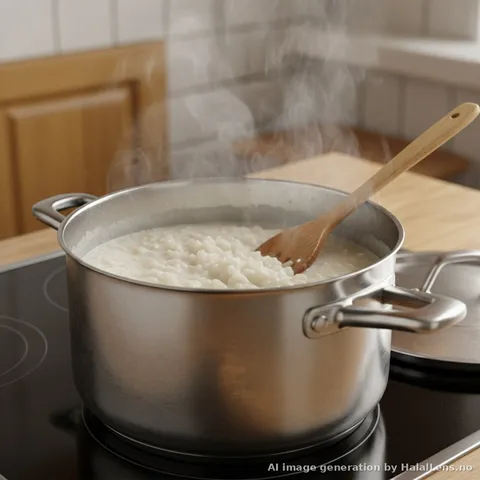
Risgrøt is a study in simplicity: rice, milk, water, and a pinch of salt, cooked low and slow until the grains swell and the porridge turns thick and creamy. The dish’s popularity rests on its practicality. Rice porridge can be cooked in a single pot, scaled for family gatherings, and served hot on a winter day. That practicality is one reason porridge remained central to Norwegian diets well into the 1900s, as documented by encyclopedic sources that describe grøt as a staple in the Norwegian food tradition and note how it was eaten frequently in earlier times. When rice became more available, risengrynsgrøt joined older grain porridges as a “festive” option — a small luxury in a bowl, especially around Christmas.
Today, risgrøt is both humble and ceremonial. On ordinary weekends, it’s a comforting meal, but at Christmas it becomes julegrøt: shared, slow‑cooked, and finished with a golden butter “eye.” The almond tradition mentioned by Matprat — a single blanched almond hidden in the pot — adds a playful ritual and a touch of luck for the person who finds it. The dish is also an expression of Norway’s dairy heritage, where full‑fat milk contributes a rich, rounded texture. The balance of mild porridge and sweet‑spiced toppings is what makes risgrøt instantly recognizable.
Halal Adaptation Notes
Risgrøt is naturally halal because it relies on rice and dairy. Use halal‑certified butter and milk if you need formal certification, and avoid any toppings or mix‑ins that contain alcohol, non‑halal gelatin, or animal‑derived flavorings. If you prefer a lighter version, you can use a mix of whole milk and low‑fat milk, but the classic texture comes from full‑fat dairy.
Recipe Snapshot
| Yield | 4 bowls |
|---|---|
| Prep time | 5 minutes |
| Cook time | 45–55 minutes |
| Total time | 50–60 minutes |
| Cuisine | Norwegian |
Ingredients
These quantities make a classic, creamy risgrøt with traditional toppings. Use short‑grain rice for the right texture, and keep the heat low so the milk doesn’t scorch.
Porridge Base
|
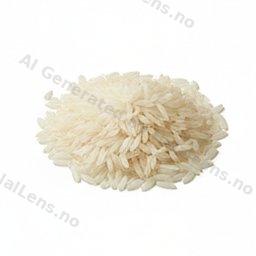
Short‑grain rice (grøtris)
2 dl (about 3/4 cup)
|
HALAL |

|
Water
4 dl (1 2/3 cups)
|
HALAL |
|
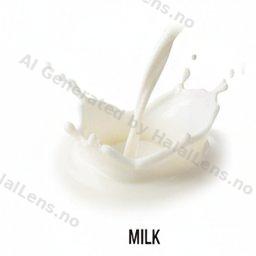
Milk
1 liter whole milk (4 1/4 cups)
|
HALAL |
|
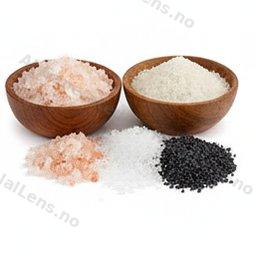
Salt
1 tsp
|
HALAL |
To Serve
|
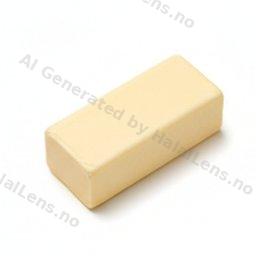
Butter
4 tsp, plus extra to taste
|
HALAL |
|
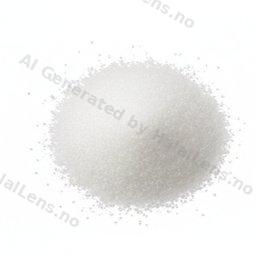
White sugar
2–4 tbsp, to taste
|
HALAL |
|
Ground cinnamon
1–2 tsp
|
HALAL |

|
Blanched almond (optional)
1 almond for the traditional “hidden” prize
|
HALAL |
Method
- Rinse the rice briefly under cold water to remove surface starch.
- In a heavy pot, bring the water to a simmer. Add the rice and cook over low heat until the water is mostly absorbed, about 10 minutes.
- Pour in the milk gradually while stirring, then add the salt. Keep the heat low so the milk does not boil hard.
- Simmer gently, stirring every few minutes, until the rice is tender and the porridge is thick and creamy, 35–45 minutes. Add a splash of milk if it gets too thick.
- Taste and adjust with a pinch more salt if needed.
- Serve hot with a small pat of butter, sugar, and a sprinkle of cinnamon. If using the almond tradition, hide one blanched almond in the pot and serve.
Tips & Variations
- Use a heavy‑bottomed pot to reduce scorching and keep the heat low.
- For extra richness, replace 1–2 dl of the milk with heavy cream.
- Leftovers can be chilled and later used for rispudding or baked rice desserts.
- For a lighter bowl, thin the porridge at the table with a splash of cold milk.
AI disclosure: This recipe article was drafted with AI assistance and reviewed by HalalLens for accuracy and halal compliance.