Sütlaç Recipe: Ottoman Baked Rice Pudding from Turkey's Palace Kitchens
Discover sütlaç — Turkey's beloved baked rice pudding with a signature caramelised surface, tracing its roots to the 15th-century Ottoman palace kitchens of Topkapı. A creamy, halal dessert made with rice, whole milk, and vanilla.
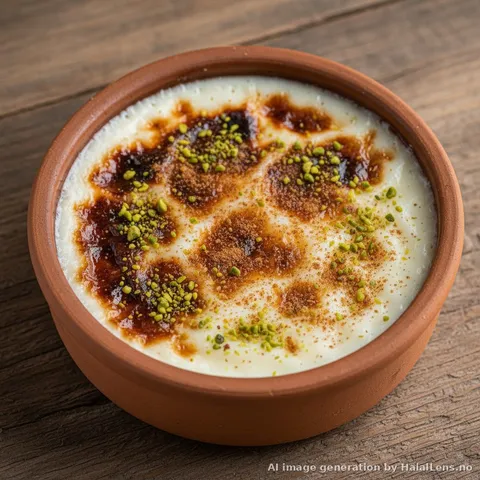
Sütlaç is Turkey's most beloved milk dessert — a silky, slow-cooked rice pudding crowned with a hauntingly beautiful caramelised surface that forms under the broiler's heat. Served in individual clay pots called güveç, this dessert distils centuries of Ottoman palace refinement into a single spoonful: creamy, lightly sweet, fragrant with vanilla, and finished with the gentle char of baked milk. Whether enjoyed warm in winter or chilled in summer, fırın sütlaç remains a fixture on the menu of every traditional Turkish muhallebici (milk-dessert parlour) and a proud centrepiece of home kitchens from Istanbul to Anatolia.
The roots of sütlaç reach deep into Ottoman imperial history. The earliest written records appear in 15th-century palace recipe collections compiled for the kitchens of Topkapı Palace, where rice and sugar were considered luxury goods reserved for the sultan's table. According to food historian Priscilla Mary Işın in her exhaustive study of Ottoman cuisine, these early puddings were perfumed with rose water and orange-blossom water — aromatics imported along the same Silk Road spice routes that brought cinnamon and vanilla to Anatolia. Over the following centuries, as trade expanded and sugar became more accessible, sütlaç migrated from palace kitchens into the wider population, becoming the democratic dessert it is today. Renaissance-era Italian cookbooks even reference a dessert called riso turchesco — "Turkish-style rice" — a direct borrowing from the Ottoman tradition that underscores how far the dish's influence spread beyond Anatolia (Meer, History and Recipes of Sütlaç).
The defining characteristic of modern fırın sütlaç — the caramelised top — likely emerged as Ottoman cooks discovered that placing individual earthenware bowls under a wood-fired oven's residual heat transformed a plain pudding into something extraordinary. The milk solids at the surface undergo Maillard browning and partial caramelisation, creating a papery, faintly bitter crust that contrasts with the cool, creamy interior beneath. This technique, still practised today, is what separates fırın sütlaç ("oven sütlaç") from its stovetop cousin and explains why the dish is so closely associated with traditional muhallebici establishments across Turkey (Turkey's For Life, Sütlaç Recipe).
A Palace Dessert for Every Table
The Ottoman court at Topkapı maintained enormous kitchen complexes staffed by hundreds of specialists — including dedicated confectioners whose sole role was producing milk-based sweets such as sütlaç, muhallebi (plain milk pudding), and zerde (saffron rice pudding). Court records from the 16th century, cited by researchers at Istanbul's Topkapı Palace Museum, document regular deliveries of short-grain rice from the Aegean coast and sugar from Egyptian refineries specifically for the imperial dessert kitchen. These ingredients were so prized that their allocation was tracked in detailed registers alongside the sultan's other household accounts. Sütlaç was commonly served at royal banquets, Ramadan Iftar tables, and ceremonial meals marking births and circumcisions — occasions where its milky whiteness and gentle sweetness carried symbolic weight, representing purity and abundance.
As the Ottoman Empire expanded across three continents, its culinary traditions spread with it. Sütlaç variants appear in the cuisines of Greece (as rizogalo), the Balkans, North Africa, and the Levant — each region adapting the base recipe to local tastes, adding orange zest, cardamom, or mastic. The Turkish version remained closest to the original court recipe, retaining the simple trinity of rice, milk, and sugar that made it so adaptable. Today, sütlaç is listed as a UNESCO-recognised element of Turkey's intangible cultural heritage, celebrated not just as food but as a living connection to centuries of shared culinary memory (Forgotten Skillz, Sütlaç: Türkiye's Beloved Rice Pudding).
Regional Variations Across Anatolia
While the Istanbul muhallebici version is the most internationally recognised, regional Anatolian kitchens have developed their own sütlaç traditions. In Bursa, the former Ottoman capital, some households still flavour the pudding with a small quantity of mastic gum (damla sakızı), which lends a faint pine-resin note that the court cooks of Topkapı also favoured. In southeastern Turkey, particularly around Gaziantep and Şanlıurfa — cities renowned for their sophisticated sweet traditions — sütlaç is occasionally garnished lavishly with ground pistachios whose vivid green colour provides a stunning visual contrast against the pale ivory pudding. Coastal Aegean villages sometimes stir a few drops of rose water into the hot pudding just before baking, reviving the aromatic custom of the 15th-century palace recipe. Each variation reflects the same underlying philosophy: simplicity elevated through patience, quality ingredients, and respect for technique (A Kitchen in Istanbul, Fırın Sütlaç).
Halal Adaptation Notes
Traditional sütlaç is inherently halal in its core ingredients — rice, whole milk, sugar, and vanilla are all permissible without substitution. No alcohol-based flavourings, gelatine, or animal-derived additives are used. The only point of vigilance is vanilla extract: some commercially produced extracts are alcohol-based, so this recipe uses pure vanilla bean paste or powder as a fully halal alternative that also delivers a more intense, aromatic flavour. All other ingredients — butter for greasing, cornstarch as the optional modern thickener, and pistachio garnish — carry HALAL status as confirmed in the HalalLens ingredient database. This makes sütlaç one of the most straightforwardly halal desserts in the entire Ottoman repertoire, requiring no compromise whatsoever on authenticity.
Recipe Snapshot
| Yield | 6 individual clay pot servings |
|---|---|
| Prep time | 15 minutes |
| Cook/Bake time | 55 minutes (40 min stovetop + 15 min broiler) |
| Total time | 70 minutes (plus 2 hours chilling, optional) |
| Cuisine | Turkish / Ottoman |
Ingredients
The magic of sütlaç lies in the quality of its few ingredients. Use full-fat whole milk for maximum creaminess, short-grain rice (such as baldo or arborio) for its natural starch, and real vanilla for depth. The cornstarch is optional but helps achieve the ideal scoopable consistency when serving chilled.
|
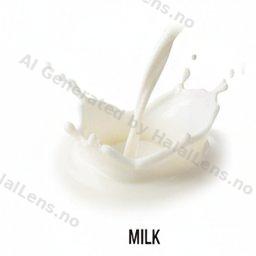
Whole Milk
1 litre (4 cups), full-fat
|
HALAL |
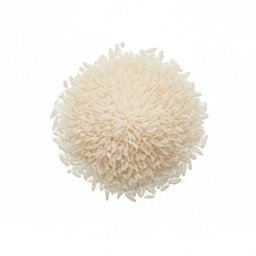 |
Short-Grain Rice
80 g (⅓ cup), rinsed (baldo or arborio)
|
HALAL |
 |
White Sugar
120 g (½ cup)
|
HALAL |

|
Cornstarch
2 tablespoons, dissolved in 3 tbsp cold milk
|
HALAL |

|
Vanilla Bean Paste (or powder)
1 teaspoon (alcohol-free)
|
HALAL |
|
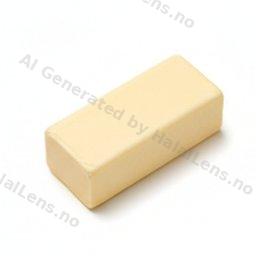
Unsalted Butter
1 tablespoon, for greasing pots
|
HALAL |
For Garnish
|
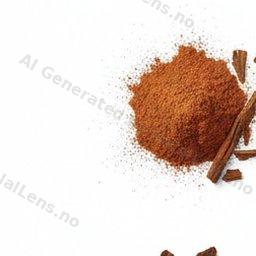
Ground Cinnamon
½ teaspoon, for dusting
|
HALAL |
|
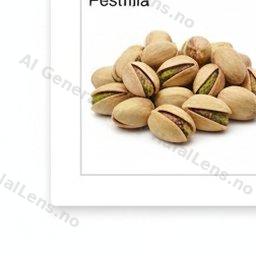
Pistachio
2 tablespoons, finely ground or crushed
|
HALAL |

|
Rose Water
1 teaspoon (optional, for Ottoman flavour)
|
HALAL |
Method
- Pre-cook the rice: Rinse 80 g short-grain rice under cold water until the water runs clear. Place in a medium saucepan with 200 ml water and a pinch of salt. Cook over medium heat, stirring occasionally, until the water is absorbed and the rice is about 70% cooked — roughly 8–10 minutes. The rice should still have a slight firmness at its core. Drain any excess water and set aside.
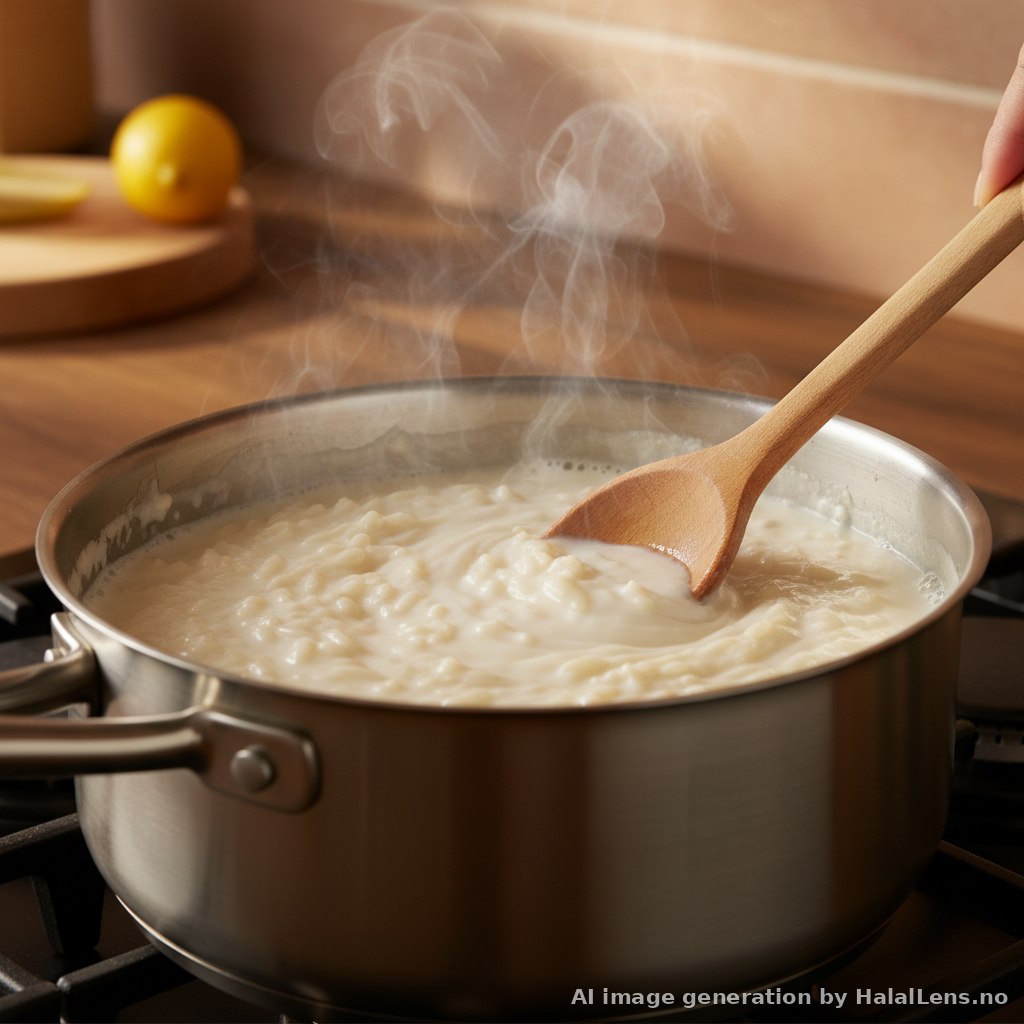
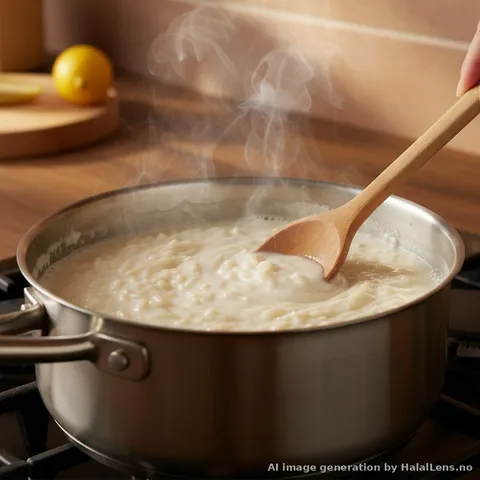
- Begin the pudding base: Pour 1 litre of whole milk into a wide, heavy-bottomed saucepan (stainless steel or enamel works best for even heat distribution). Add the pre-cooked rice. Bring to a gentle simmer over medium-low heat, stirring frequently to prevent the milk from scorching on the bottom. Do not rush this stage — high heat will cause the milk to boil over and develop a skin that must be constantly skimmed.
- Cook low and slow: Reduce the heat to low and continue cooking, stirring every 2–3 minutes, for approximately 25–30 minutes. As the rice softens completely and releases its starch into the milk, the mixture will gradually thicken to a consistency resembling loose porridge. The pudding should coat the back of a spoon but still flow easily — it will continue to thicken as it bakes and cools.
- Add sugar and flavourings: Stir in 120 g white sugar, 1 teaspoon vanilla bean paste, and the optional rose water. In a small bowl, dissolve 2 tablespoons of cornstarch in 3 tablespoons of cold milk to form a smooth slurry. Pour the slurry into the simmering pudding while stirring constantly. Cook for a further 3–4 minutes until the mixture thickens noticeably. Remove from heat.
- Prepare the clay pots: Preheat your oven's broiler (grill) to maximum heat — typically 240–250°C. Lightly butter 6 small clay pots (güveç) or ovenproof ceramic ramekins, approximately 150–180 ml capacity each. The butter helps the pudding release cleanly and adds a faint richness to the base.
- Fill and broil: Ladle the hot pudding evenly into the prepared pots, filling each about three-quarters full to leave room for expansion under heat. Arrange the pots on a baking sheet and place under the preheated broiler. Watch carefully — the caramelisation happens quickly and can go from golden to burnt within 60 seconds. Broil for 8–15 minutes, rotating the tray if needed, until the surface develops irregular patches of deep golden-brown and amber caramelisation. The browned surface should look mottled and leopard-spotted — this is traditional and desirable.
- Rest and serve: Remove the pots from the oven and allow to cool at room temperature for 20 minutes. At this point, sütlaç can be served warm, or transferred to the refrigerator and chilled for 2–4 hours for a firmer, cold serving texture — the most common way it is enjoyed in Turkish muhallebici establishments. Just before serving, dust lightly with ground cinnamon and scatter crushed pistachios over the surface.
Tips & Variations
- Rice choice matters: Short-grain varieties like baldo (the traditional Turkish choice), arborio, or calrose release the most starch and produce the creamiest pudding. Long-grain rice stays too firm and produces a thinner, less cohesive result.
- For stovetop-only (non-baked) sütlaç: Simply skip the broiling step. Pour the finished pudding into bowls, sprinkle with cinnamon, and refrigerate. This version, called soğuk sütlaç (cold rice pudding), is equally traditional and requires no oven.
- Achieving the right caramelisation: Every broiler behaves differently. Position the pots close to the element (10–15 cm) and check every 2 minutes. The goal is deep, uneven browning — not uniform pale gold, which is under-done, and not uniformly black, which is burnt.
- Traditional clay pots vs ramekins: Clay güveç pots are ideal because they distribute heat slowly and retain cold beautifully. However, standard ceramic ramekins produce excellent results. Avoid thin glass bowls, which can crack under the broiler's direct heat.
- Scaling up: This recipe doubles easily. For a large household or Ramadan gathering, use 2 litres of milk and 160 g rice, adjusting sugar to taste. The broiling time remains the same.
- Ottoman-style rose water version: Add 1 teaspoon of rose water with the vanilla for an authentically historical flavour profile. The floral note is delicate and should not overpower — do not exceed 1 teaspoon per litre of milk.
AI disclosure: This recipe article was drafted with AI assistance and reviewed by HalalLens for accuracy and halal compliance.