Lindt chocolate is a familiar choice for gifts, coffee breaks and the LINDOR display, but a premium label does not answer the halal question by itself. The useful distinction is between Lindt’s plain chocolate, its filled truffles and its alcohol-themed pralines. For Muslim shoppers, the product name, the market and the current ingredient list all matter.
Quick answer: Lindt is not halal-certified: Lindt & Sprüngli says none of its production sites are halal-certified and no halal labels are used. Selected EXCELLENCE bars are made without animal-derived ingredients and alcohol, while classic LINDOR flavours use non-alcohol-based flavours and current UK declarations list no gelatine. Liqueur, kirsch or champagne products are HARAM; check every label.
Lindt’s official position
The starting point is Lindt & Sprüngli’s global Frequently Asked Questions page. It states that none of the company’s production sites are halal certified and that Lindt therefore does not use halal labels on its packaging. That answers the certification question for the brand as a whole: a product can have a short, familiar ingredient list and still not qualify as certified HALAL.
The same official FAQ identifies selected EXCELLENCE bars made without animal products and without alcohol: 70%, 70% Mild, 85%, 85% Mild, 90% and 99% cacao. Lindt UK’s consumer FAQ adds that its chocolate is not Halal or Kosher certified. “Suitable for vegetarians” is a separate statement. Lindt says the animal-derived ingredients used in some products are milk, milk products, milk fat, cream and, in some filled chocolates and pralines, eggs.
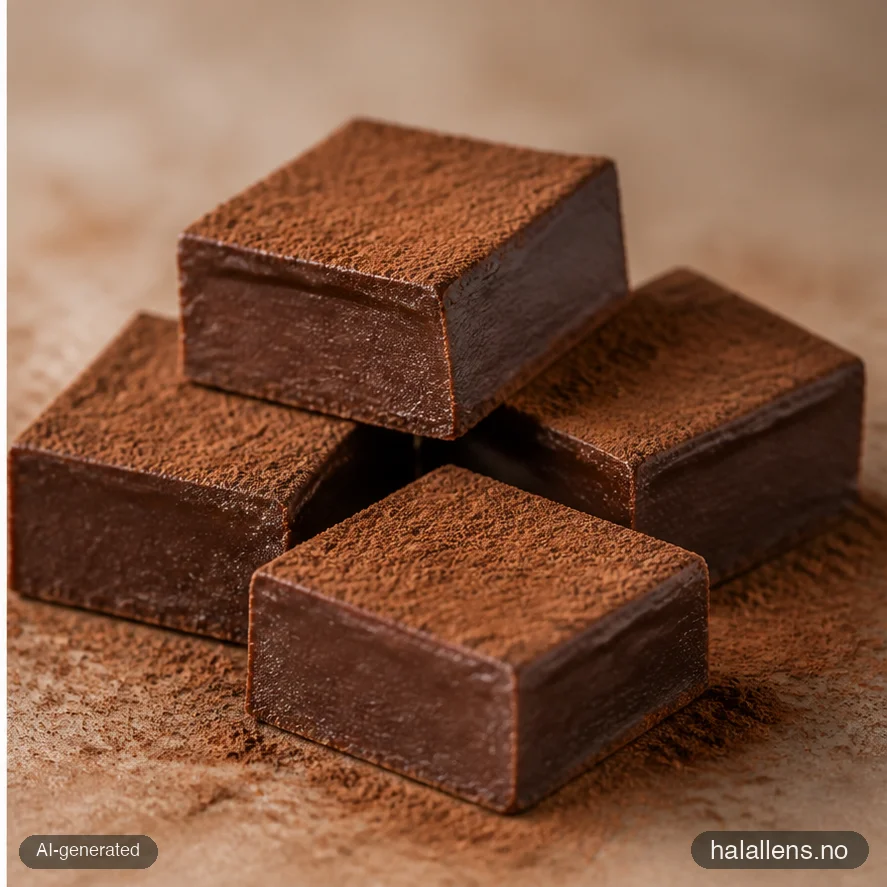
For that reason, HalalLens uses MUSHBOOH for a product that has no listed alcohol or gelatine in the reviewed declaration but has no halal certification. HALAL is reserved for a product with valid halal certification. This is a stricter answer than simply calling every plain dark bar halal-suitable, and it lets shoppers distinguish ingredient evidence from certification evidence.
The alcohol praline warning list
Lindt UK says only a very small number of its chocolates contain alcohol or alcoholic liqueurs as an ingredient. When alcohol is added, the company says it is disclosed in the ingredient list on the wrapper or pack. Under HalalLens’s rule, a product that declares liqueur, kirsch, champagne or another alcoholic drink is HARAM.
The current UK FAQ makes an important second distinction. Very few Lindt products use flavourings with alcohol as a carrier, introducing amounts below 0.1%, while a named alcoholic ingredient is a different matter. Lindt also says solid and plain white, milk and dark chocolate without filling do not contain alcohol. It specifically lists the classic LINDOR Milk, Dark, 60%, Hazelnut and White flavours, plus Strawberry & Cream, Salted Caramel, Orange and Mint, as made with non-alcohol-based flavours.
Seasonal and gift assortments need more care. Lindt’s current UK Swiss Luxury Selection page lists a Bâton Kirsch, but the product listing itself does not provide enough ingredient detail to decide the alcohol question from the name alone. Lindt’s Christmas gifting page also describes a champagne truffle in an adult advent calendar. Treat those assortments as Check label until the exact pack states what is inside; if the ingredient declaration names alcohol or liqueur, the verdict becomes HARAM. The HalalLens explanation of ethanol and alcohol carriers covers why a flavouring entry deserves a closer look.
EXCELLENCE and LINDOR reviewed
Lindt’s high-cocoa EXCELLENCE bars are the clearest place to begin. The global FAQ names the 70%, 70% Mild, 85%, 85% Mild, 90% and 99% cacao recipes as made without animal products and alcohol. The current UK FAQ separately identifies 70%, 85%, 90% and 99% as products made without animal products. Availability and recipes can vary by market, so the percentage printed on a bar is not a substitute for checking its local Zutatenliste or ingredient declaration.
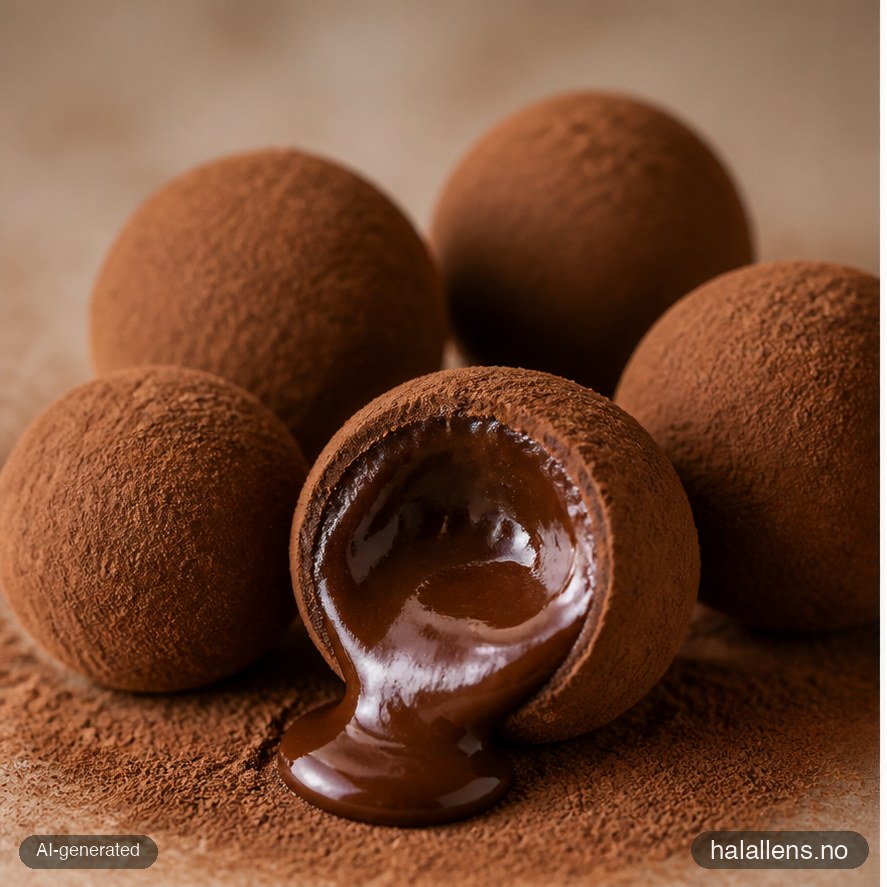
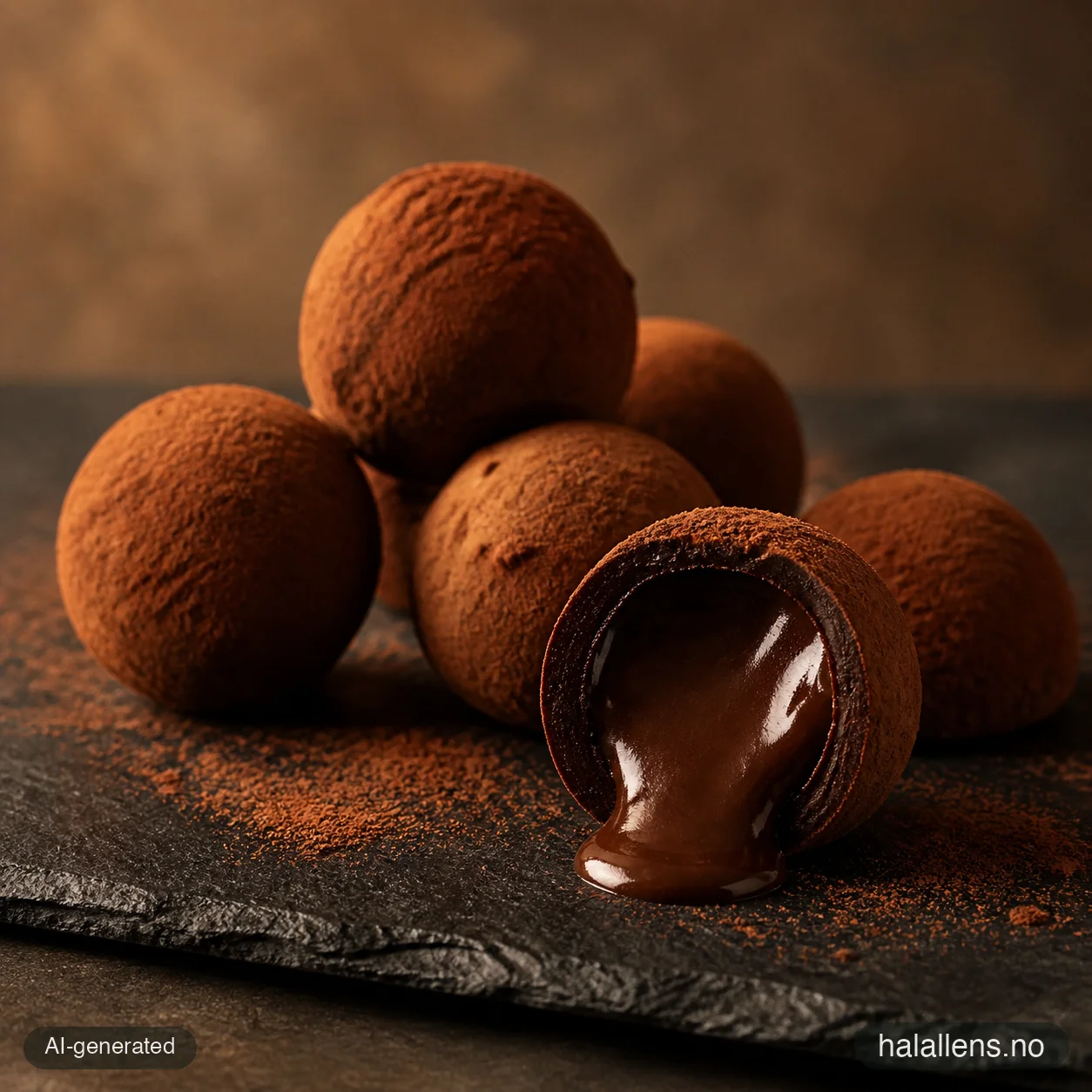
Classic LINDOR truffles are a different product type because the shell contains a smooth melting filling. Current Lindt UK declarations for LINDOR Milk, White, Extra Dark 60% and Hazelnut list sugar, cocoa ingredients, vegetable fat, milk ingredients, soya lecithin and flavourings. The Milk, Extra Dark and Hazelnut declarations also list barley malt extract. None of those current declarations lists gelatine, but that evidence applies to the named UK recipes and pack sizes checked, not automatically to every LINDOR flavour sold worldwide.
The same product pages show why a simple “chocolate” verdict can miss the detail. LINDOR Milk contains whole and skimmed milk powder, lactose and anhydrous milk fat. LINDOR White contains milk powder and lactose. These are dairy ingredients, not gelatine, and they explain why the core range is vegetarian-suitable according to Lindt. They do not create halal certification.
For a focused explanation of the gelatine question, see HalalLens’s gelatine reference. The practical conclusion is simple: no gelatine in a current declaration is useful evidence, but only a certification mark or verified certification record supports HALAL.
Colours and minor ingredients: carmine, malt and lecithin
Pink and red chocolate products deserve their own ingredient check. The current Lindt UK LINDOR Strawberries & Cream declaration lists strawberry powder, natural flavouring and colouring from beetroot red. It does not list carmine or E120 in that reviewed recipe. Lindt has not published a global promise that every pink or red product in every market is carmine-free, so a different speciality, seasonal product or imported pack should be checked directly. If a label lists carmine, do not assume the recipe matches the UK strawberry declaration.
Barley malt extract appears in some current LINDOR ingredient lists. Malt extract is a cereal-derived food ingredient, not an alcoholic drink and not khamr simply because the word malt appears on the label. Lindt’s FAQ discusses it mainly in relation to barley and gluten, and says that the ingredient list is the place to check. The dedicated barley malt and soya lecithin reference explains these entries separately.
Soya lecithin is the emulsifier listed in the current UK LINDOR declarations reviewed here. Lindt’s international FAQ says it is used in regular dark, milk and white products, while selected EXCELLENCE bars do not contain it. E471 is a different emulsifier. If an imported or locally made product lists mono- and diglycerides or E471, the number alone does not identify the source, so scan the exact declaration and check with the manufacturer. HalalLens’s E471 reference explains why source information matters.
Whey, milk proteins, milk powder and milk fat are all dairy-related entries that can occur in chocolate fillings. Lindt’s official FAQ describes milk and milk products as the main animal-origin ingredients in its vegetarian-suitable chocolates, with eggs appearing in some filled chocolates and pralines. Dairy does not resolve the certification question, but it is a different issue from pork gelatine or an alcoholic filling.
Product-by-product verdict
The table below separates current declarations from products whose names signal a special ingredient. “MUSHBOOH” means the reviewed recipe has no decisive haram ingredient identified, but Lindt has not certified it halal. “HARAM” applies where the product’s named alcohol ingredient is confirmed by the pack or manufacturer. Check label is used when the product listing does not give enough detail for a safe final decision.
| Product | Verdict | Deciding factor |
|---|---|---|
| EXCELLENCE 70% cacao | MUSHBOOH | Lindt lists it among bars made without animal products and alcohol; no halal certification. |
| EXCELLENCE 85% cacao | MUSHBOOH | Selected plain recipe is alcohol-free and animal-product-free according to Lindt; verify the local pack. |
| EXCELLENCE 90% cacao | MUSHBOOH | Named by Lindt as a product without animal products and alcohol; not certified. |
| EXCELLENCE 99% cacao | MUSHBOOH | Plain high-cocoa bar listed in Lindt’s official alcohol and animal-product statement. |
| LINDOR Milk truffles | MUSHBOOH | Current UK list has milk, soya lecithin, barley malt extract and flavourings; no gelatine listed. |
| LINDOR White truffles | MUSHBOOH | Current UK list has dairy, soya lecithin and flavouring; Lindt says the classic flavour uses non-alcohol-based flavouring. |
| LINDOR Extra Dark 60% | MUSHBOOH | Current UK declaration lists no gelatine and includes barley malt extract, soya lecithin and flavourings. |
| LINDOR Strawberries & Cream | MUSHBOOH | Current UK list uses beetroot red, not carmine; Lindt says the flavour is non-alcohol-based, but no certification. |
| Bâton Kirsch or champagne truffle assortment | Check label | Current Lindt pages name these products, but the exact pack ingredient declaration controls whether alcohol is present. |
| Any Lindt praline with liqueur or kirsch in ingredients | HARAM | Alcohol is an added ingredient under HalalLens’s verification rule. |
Shopping now? Use the free HalalLens scanner to check the exact Lindt ingredient declaration instead of relying on the flavour name alone.
How to check a Lindt label in-store
Start with the exact product and market. A LINDOR bag, a seasonal ballotin and an EXCELLENCE bar are different recipes, and an imported assortment may not use the same declaration as a locally sold one. Read the ingredient list on the wrapper rather than relying on a retailer thumbnail, an old review or the colour of the packaging.
For a filled chocolate, look first for alcohol, liqueur, kirsch, champagne, rum or similar named ingredients. If one appears, the product is HARAM under HalalLens’s rule. Next check for gelatine and for any animal-derived ingredient whose source is not specified. Lindt says some filled chocolates and pralines can contain eggs, while its vegetarian statement identifies dairy as the main animal-origin category. Unspecified gelatine does not pass.
Then review colours in pink, red or fruit products. The UK Strawberries & Cream declaration uses beetroot red, but colour systems can change by country and product. A label stating carmine or E120 should be treated as a separate ingredient question. Finally, look for soya lecithin, barley malt extract, whey and milk proteins. These entries do not make a product halal-certified, but they help you compare the actual recipe with Lindt’s official FAQ.
The safest short answer for a plain Lindt bar is therefore: selected EXCELLENCE dark bars have strong ingredient evidence and are made without animal products and alcohol according to Lindt, but remain uncertified. Classic LINDOR flavours are also free from listed gelatine in the current UK declarations reviewed and use non-alcohol-based flavours according to Lindt’s FAQ, yet they remain MUSHBOOH rather than HALAL. A liqueur or kirsch filling is HARAM, and every seasonal assortment needs its own label check.
Frequently asked questions
Is Lindt chocolate halal?
Lindt & Sprüngli says none of its production sites is halal-certified and that it does not use halal labels on its packaging. Some plain EXCELLENCE bars and classic LINDOR flavours have useful alcohol and ingredient evidence, but certification and the exact local label still matter.
Do LINDOR truffles contain alcohol?
Lindt says classic LINDOR Milk, Dark, 60%, Hazelnut and White, plus Strawberry & Cream, Salted Caramel, Orange and Mint, use non-alcohol-based flavours. A small number of Lindt products contain alcohol or liqueurs, and the company says these must be listed on the pack. Check seasonal assortments and any product named with kirsch or champagne.
Is Lindt EXCELLENCE dark chocolate halal?
Selected EXCELLENCE bars, including 70%, 85%, 90% and 99% cacao, are described by Lindt as made without animal products and alcohol. Lindt does not certify its production sites halal, so HalalLens classifies the reviewed bars as MUSHBOOH unless a valid local certification is shown.
Does Lindt contain gelatine?
Current UK declarations checked for LINDOR Milk, White, Extra Dark 60% and Hazelnut do not list gelatine. Recipes differ by market and product, so a different filled chocolate, seasonal assortment or imported pack must be checked directly.
Is Lindt halal-certified anywhere?
Lindt & Sprüngli’s global FAQ currently says none of its production sites are halal-certified. That applies to Lindt’s official global position, including products sold into markets where Muslim shoppers may find the brand. A retailer’s description or a vegetarian label does not replace certification evidence.
This analysis was AI-assisted and reviewed against manufacturer statements and halal certification-body records. Last verified: August 2026.
Before you buy a box or bar, scan it with the free HalalLens scanner for an ingredient-by-ingredient verdict based on the pack in your hand.