Mujaddara — Lebanese Lentils and Rice with Crispy Onions
A classic Levantine dish of tender lentils and rice crowned with deeply caramelized crispy onions — humble, halal, and rooted in Lebanese home cooking.
Mujaddara is the dish that proves the humblest pantry staples — brown lentils, rice, and onions — can produce something genuinely soul-warming. Found on tables across Lebanon, Syria, Palestine, and Jordan, this Levantine classic layers tender lentils and fluffy rice with a generous crown of deeply caramelized, crispy-fried onions. It is peasant food in the best sense: cheap to make, endlessly satisfying, and carrying thousands of years of history in every spoonful. For HalalLens readers exploring the Levant, mujaddara is the dish that was hiding in plain sight — a staple as beloved as hummus or tabbouleh, yet far less documented online.
The name "mujaddara" comes from the Arabic root meaning "pockmarked" or "speckled," a nod to the appearance of the lentils studding the rice once everything is cooked together — small dark specks scattered through the pale grain, like a face marked by freckles. It is a wonderfully literal name for a dish whose visual simplicity belies its depth of flavor.
An Ancient Dish With a Biblical Footnote
Few everyday dishes carry a pedigree as old as mujaddara's. Food historians trace its lineage back thousands of years to the lentil-and-grain pottages of the ancient Near East, long before rice arrived in the region — early versions would have used barley or wheat instead. Many scholars connect this lineage to the "mess of pottage" in the Book of Genesis, the lentil stew that Esau famously traded his birthright for. Whatever the precise dish eaten in that story, it is widely believed to have been a close ancestor of the mujaddara eaten today: lentils, grain, and aromatics simmered into something hearty enough to satisfy a starving man.
The earliest written recipe closely resembling modern mujaddara appears in Kitab al-Tabikh ("The Book of Dishes"), a 13th-century Arabic cookbook compiled in Baghdad by Muhammad bin Hasan al-Baghdadi during the final decades of the Abbasid Caliphate, according to Wikipedia's entry on the dish. From Abbasid Iraq, the dish spread and evolved across the wider Arab world, eventually becoming most closely identified with Levantine home cooking — and Lebanon in particular, where it holds a cherished place at the family table.
A Dish for Every Table, Rich or Poor
Because its core ingredients — lentils, rice, onions, and oil — were inexpensive and available to nearly everyone, mujaddara became known historically as food of the poor. But that origin story undersells how beloved the dish has always been across social classes. In many Levantine Christian communities, mujaddara holds a special seasonal role: it is a traditional dish eaten during Lent and other periods of religious fasting, when meat and dairy are set aside. Its combination of legumes and grains provides complete plant protein, making it a nourishing, filling meal even without animal products — a detail that made it a practical staple long before "plant-based" was a marketing term.
Regional naming and technique vary even within Lebanon itself. In some Lebanese kitchens, the word "mjaddara" refers to a softer, more porridge-like version where the lentils and rice are cooked down further, almost puréed, resulting in a dense, comforting dish closer to a thick lentil-rice pudding than a composed rice dish. Elsewhere in the Levant, a related preparation called "mudardara" swaps rice for bulgur wheat, giving a nuttier bite and a slightly different texture, but keeps the essential character: lentils, grain, and that essential crown of caramelized onions.
Not to Be Confused With Daal or Koshari
Mujaddara is sometimes lumped in casually with other lentil-and-grain dishes from neighboring culinary traditions, but the family resemblance is only skin deep. South Asian daal is a spiced lentil dish, usually served as a saucy accompaniment to rice or bread rather than being cooked together with the grain, and it draws on an entirely different spice vocabulary built around turmeric, mustard seed, and asafoetida. Egyptian koshari, meanwhile, is a maximalist layered dish combining rice, lentils, chickpeas, and pasta, topped with a tangy tomato-vinegar sauce and its own style of fried onions — a street-food composition built for texture and abundance. Mujaddara, by contrast, is intentionally spare: just lentils, rice (or bulgur), onions, and warm spices, simmered and fried rather than sauced and layered. Where koshari is a celebration of abundance, mujaddara is a study in restraint — proof that a handful of ingredients, treated with care, can outshine a dish with twice the components.
Halal Adaptation Notes
Mujaddara is naturally halal in its traditional form — it contains no meat, alcohol, or animal-derived thickeners, relying entirely on olive oil, lentils, rice, onions, and dried spices. The only ingredient that occasionally warrants a closer look is the cooking fat: some modern recipes substitute vegetable oil blends or butter for the traditional olive oil, and pre-blended seasoning mixes can sometimes include non-halal-certified flavoring agents or anti-caking additives of uncertain origin. This version sticks to olive oil throughout, as used in the dish's traditional Levantine preparation, and calls for whole dried spices (cumin seed, cinnamon stick or ground cinnamon, black pepper) rather than pre-mixed blends, so every ingredient's halal status is transparent and easy to verify using the ingredient cards below.
Recipe Snapshot
| Yield | 4-6 servings |
|---|---|
| Prep time | 15 minutes |
| Cook/Bake time | 55 minutes |
| Total time | 1 hour 10 minutes |
| Cuisine | Levantine (Lebanese) |
Ingredients
This recipe uses brown lentils and basmati rice cooked separately from the crispy onions, then layered — the classic Lebanese approach that keeps the rice fluffy and the onions properly crisp rather than soggy.
Lentils and Rice
|
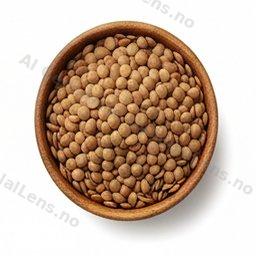
Brown lentils
1 cup (200g), rinsed
|
HALAL |
|
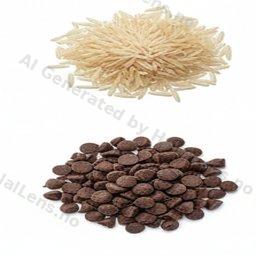
Basmati rice
1 cup (190g), rinsed until water runs clear
|
HALAL |
Crispy Onions and Aromatics
|
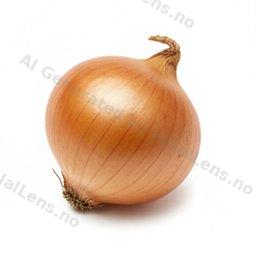
Yellow onions
3 large, thinly sliced (divided: 2 for frying, 1 for the base)
|
HALAL |
|
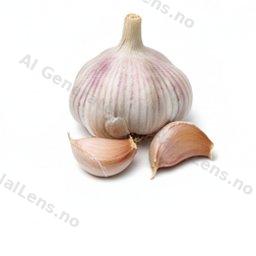
Garlic
2 cloves, minced (optional)
|
HALAL |

|
Olive oil
1/2 cup (120ml), divided
|
HALAL |
Spices
|
Ground cumin
1 teaspoon
|
— |
|
Ground cinnamon
1/2 teaspoon
|
HALAL |
|
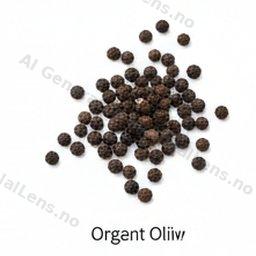
Black pepper
1/2 teaspoon, freshly ground
|
HALAL |
|
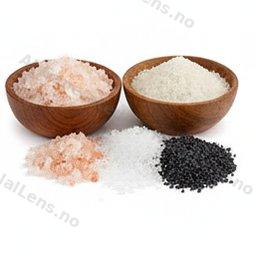
Salt
To taste, plus extra for the lentil-cooking water
|
HALAL |
Method
- Rinse the brown lentils and place them in a medium saucepan with 3 cups of water. Bring to a boil, then reduce to a simmer and cook uncovered for 15-18 minutes, until the lentils are tender but still holding their shape, not mushy. Drain any excess water and set the lentils aside.
- While the lentils cook, rinse the basmati rice in several changes of cold water until the water runs mostly clear, then let it soak in fresh water for 10 minutes. Drain well.
- Thinly slice all three onions. Set aside two onions' worth of slices for frying and finely dice or thinly slice the third onion for the rice base.
- Heat 3 tablespoons of olive oil in a wide, heavy-bottomed pot over medium heat. Add the diced onion (from the third onion) and cook for 4-5 minutes, stirring occasionally, until softened and translucent.
- Stir in the minced garlic, if using, along with the cumin, cinnamon, and black pepper. Cook for 30 seconds, just until fragrant — do not let the garlic brown or turn bitter.
- Add the cooked lentils to the pot along with the drained rice. Stir gently to coat everything in the spiced oil.
- Pour in 1 3/4 cups of water and season with salt. Bring to a boil, then immediately reduce the heat to low, cover tightly, and simmer undisturbed for 18-20 minutes, until the rice is tender and the liquid has been fully absorbed.
- Remove the pot from the heat, keep it covered, and let it rest for 10 minutes so the rice can finish steaming and firm up. Do not lift the lid during this rest.
- While the rice rests, heat the remaining olive oil in a large skillet over medium-high heat. Add the reserved sliced onions in a single layer, working in batches if necessary to avoid crowding the pan.
- Fry the onions, stirring frequently, for 12-15 minutes, until they turn a deep golden-brown and become genuinely crisp at the edges. Watch closely in the final few minutes — onions can go from perfectly caramelized to burnt very quickly. Transfer the crispy onions to a paper-towel-lined plate to drain and crisp further as they cool.
- Fluff the lentil-rice mixture gently with a fork. Transfer to a serving platter and mound the crispy onions generously on top, along with a drizzle of the onion-infused oil left in the skillet.
- Serve warm or at room temperature, traditionally alongside a simple chopped salad, plain yogurt, or pickled vegetables.
Tips & Variations
- Onion patience pays off: Low and slow is the wrong instinct here — mujaddara's onions want medium-high heat and constant attention so they caramelize and crisp rather than steam. Rushing with too-low heat produces soft, greasy onions instead of the shattering crunch that defines the dish.
- Bulgur version (mudardara): Swap the basmati rice for an equal amount of coarse bulgur wheat and reduce the simmering water slightly, since bulgur absorbs liquid faster than rice. This gives a nuttier, chewier variation common in parts of the Levant.
- Make it a meal: A dollop of plain yogurt or labneh, a squeeze of lemon, and a simple tomato-cucumber salad turn mujaddara from a side dish into a complete, satisfying dinner.
- Storage: Mujaddara keeps well in the refrigerator for up to 4 days. Store the crispy onions separately if possible and re-crisp them briefly in a dry skillet before serving, since they soften when stored mixed into the rice.
- Lentil choice matters: Brown or green lentils hold their shape best for this dish. Red lentils cook down too quickly and will turn the dish into more of a purée — reserve those for the softer, Lebanese "mjaddara" style if that texture is what you're after.
AI disclosure: This recipe article was drafted with AI assistance and reviewed by HalalLens for accuracy and halal compliance.