Saltah: Yemen's National Stew with Whipped Fenugreek Froth
Yemen's beloved lunchtime stew — a rich beef maraq broth crowned with a whipped fenugreek froth called hulba and a fresh chili-tomato sahawiq relish.
Saltah is the dish Yemenis point to when asked what their country eats for lunch. A bubbling, meat-based stew served straight from a scorching stone pot and crowned with a whipped, frothy layer of ground fenugreek, saltah is less a single recipe than a national ritual — a bowl that pulls together a rich meat broth, a fiery fresh relish, and a distinctly bitter-savory foam that no other cuisine in the Middle East quite replicates.
The dish is closely tied to Sana'a, Yemen's ancient mountain capital, where it is traditionally eaten around midday, often shared from a single communal pot with flatbread used as the only utensil. Food historians and Yemeni culinary writers trace its roots to the Ottoman-era charitable kitchens of the region, where cooks combined leftover meat broths and vegetables in heavy stone bowls set directly over open flame — a practical solution that happened to produce a dish that stayed at a near-boil long after it left the fire. Over generations, saltah moved from charity kitchens into home kitchens across Yemen, evolving into the layered, deliberately composed dish eaten today. Wikipedia's entry on the dish and the Yemen Times archives both describe saltah as Yemen's most widely claimed national dish, prepared daily in households from Sana'a to Aden, each region adding its own accent of spice or vegetable.
What sets saltah apart from other regional stews is its structure. It is built, not simply simmered: a rich meat broth called maraq forms the base, a chunky tomato-and-chili relish called sahawiq (also spelled sahowqa or bisbas) is stirred through the middle, and the whole bowl is finished with hulba — fenugreek seeds soaked, boiled, and beaten until they turn into a pale, slightly bitter foam that sits on top like a savory meringue. Some households add rice, potatoes, or scrambled egg to stretch the dish into a fuller meal, and it is almost always eaten with fresh Yemeni flatbread for scooping rather than a spoon.
A Dish Cooked in Stone, Served at a Boil
Traditional saltah is prepared and served in a special volcanic stone bowl known locally as al-mader or al-magla. These heavy, unglazed vessels are prized for their ability to hold and radiate heat long after leaving direct flame, which is why saltah famously arrives at the table still audibly bubbling — a hallmark that separates it from a standard stew served merely warm. Because the stone retains such intense heat, cooks traditionally add the whipped hulba foam only at the very last moment, right before the bowl reaches the table, so the delicate froth doesn't collapse or overcook against the hot stone. According to background compiled by Wikipedia's entry on saltah, this stone-pot presentation is considered essential to an authentic serving, distinguishing home-style saltah from more casual restaurant versions plated in ordinary bowls.
The Yemen Times archive piece on al-saltah situates the dish within a broader story of Ottoman-influenced communal cooking, noting that the technique of stretching a shared pot of broth to feed many people from a charitable kitchen is part of what gave the dish its enduring, almost democratic reputation in Yemeni food culture — a meal eaten by nearly every household regardless of means. Coverage from Yemen Times reflects this framing of saltah as food that unites rather than distinguishes social classes.
Hulba, Hawaij, and Sahawiq: The Three Pillars
Three preparations give saltah its identity, and none of them is optional in an authentic version. Hulba is the fenugreek froth: dried fenugreek seeds are soaked for several hours (often overnight) to soften their intense bitterness, then boiled briefly and whisked vigorously — traditionally with a wooden implement — until the mixture triples in volume and turns into a stiff, pale, slightly bitter foam, sometimes brightened with a touch of lemon juice, garlic, or fresh chili. Sahawiq (also called bisbas or sahowqa) is the fresh relish stirred into the broth just before serving: finely chopped tomato, garlic, green chili, and herbs pounded or blended into a coarse, spicy paste that cuts through the richness of the meat broth. And hawaij is the dry spice blend — typically built from cumin, black pepper, turmeric, cardamom, and coriander — that seasons the maraq broth itself and gives Yemeni cooking its distinctive warm, earthy backbone. Recipe documentation from 196 Flavors' authentic saltah recipe outlines this same three-part structure as the defining architecture of the dish, echoed across most serious treatments of Yemeni home cooking.
Halal Adaptation Notes
Saltah is a naturally halal-friendly dish in its traditional form — there is no pork, alcohol, or other haram component in any classic version, and the dish has always been built around beef, lamb, or chicken broth. This HalalLens version leans on well-sourced, clearly labeled halal beef for the maraq base, since beef delivers the long-simmered depth the broth needs without requiring the extended stone-pot roasting technique used for dishes like mandi or haneeth. We've kept the recipe distinct from those two other Yemeni classics on purpose: mandi is a spiced rice-and-meat dish built around a smoky, pit- or oven-roasted protein served over fragrant rice, and haneeth is a slow, low-and-slow whole-cut roast finished tender enough to shred by hand — both are roasting techniques built around a centerpiece cut of meat. Saltah, by contrast, is a broth-forward stew where the meat is simmered down into the maraq itself rather than presented whole, and its signature element is the fenugreek froth on top, something neither mandi nor haneeth features at all. If sourcing a stone mader bowl isn't practical, a heavy cast-iron or clay pot preheated in the oven gets reasonably close to the same still-bubbling table presentation; just be mindful the substitute won't hold heat quite as long as true volcanic stone.
Recipe Snapshot
| Yield | 4 servings |
|---|---|
| Prep time | 30 minutes (plus 6 hours soaking fenugreek) |
| Cook/Bake time | 90 minutes |
| Total time | 2 hours (plus soaking) |
| Cuisine | Yemeni |
Ingredients
Gather these in three groups — the maraq broth, the hulba fenugreek froth, and the sahawiq relish — since each is prepared separately before coming together in the final bowl.
For the Maraq (Beef Broth)
| Beef, cubed (chuck or shin) 700g |
— |
 |
Onion, chopped 1 large |
HALAL |
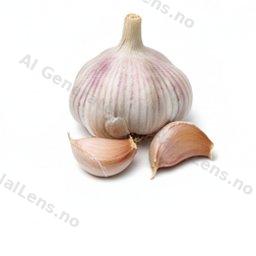 |
Garlic, minced 4 cloves |
HALAL |
 |
Tomato, chopped 2 medium |
HALAL |
 |
Potato, cubed 1 medium (optional) |
HALAL |
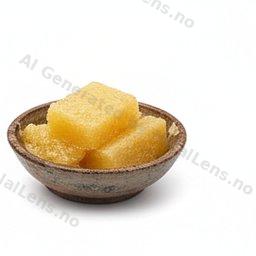 |
Ghee (samn) 2 tbsp |
HALAL |
 |
Turmeric 1 tsp |
HALAL |
| Hawaij spice blend (cumin, black pepper, cardamom) 2 tsp |
— |
For the Hulba (Fenugreek Froth)
 |
Fenugreek seeds 3 tbsp, soaked overnight |
HALAL |
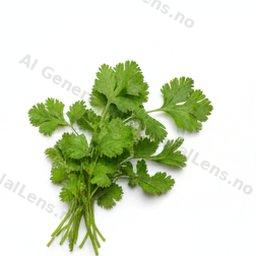 |
Fresh coriander, chopped 2 tbsp |
HALAL |
For the Sahawiq (Fresh Relish)
| Green chilies, finely chopped 2, to taste |
— |
 |
Eggs (optional, scrambled to fold in) 2 |
HALAL |
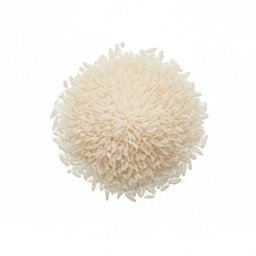 |
Cooked rice (optional, for serving underneath) 1 cup |
HALAL |
Method
- The night before, rinse the fenugreek seeds and cover generously with cold water in a small bowl. Let them soak at room temperature (or in the fridge) for at least 6 hours, ideally overnight — this softens the seeds and tames their natural bitterness before frothing.
- Heat the ghee in a heavy pot over medium-high heat. Add the beef cubes in a single layer and sear on all sides until well browned, about 6-8 minutes. Remove the meat and set aside.
- In the same pot, add the chopped onion and cook until soft and lightly golden, about 5 minutes. Stir in the garlic and cook for another minute until fragrant.
- Return the beef to the pot along with the chopped tomato, turmeric, and hawaij spice blend. Stir well to coat the meat evenly in the spices and let the tomato break down for 2-3 minutes.
- Pour in enough water to cover the meat by about 2 inches. Bring to a boil, then reduce to a low simmer, cover, and cook for 60-75 minutes, until the beef is fork-tender and the broth has reduced into a rich, slightly thickened maraq. Add the potato cubes (if using) about 20 minutes before the end so they cook through without falling apart. Season with salt to taste.
- While the broth simmers, make the sahawiq: pound or pulse the green chilies with a pinch of salt and a splash of water into a coarse, spoonable paste. Set aside; it should stay fresh and vibrant, not cooked.
- Drain the soaked fenugreek seeds and place them in a small saucepan with fresh water to cover. Bring to a boil and cook for 3-4 minutes until just softened, then drain again.
- Transfer the boiled fenugreek to a bowl (or a blender fitted with a whisk-style action) and beat vigorously with a fork, whisk, or immersion blender for 5-8 minutes. The mixture will gradually lighten in color and triple in volume, turning into a pale, stiff, almost meringue-like froth. Fold in the chopped fresh coriander at the end.
- If using eggs, scramble them lightly in a separate pan and fold them into the finished maraq just before serving for extra richness.
- Preheat your serving vessel — a stone mader if you have one, otherwise a heavy cast-iron or clay bowl — in a hot oven or over direct heat for several minutes so it retains warmth at the table.
- Ladle the hot maraq into the preheated bowl. Spoon the sahawiq relish over the center of the broth, then immediately top with a generous layer of the whipped hulba froth so it sits on the surface rather than sinking in. Serve at once, still bubbling, with warm Yemeni flatbread for scooping.
Tips & Variations
- Fenugreek's natural bitterness mellows significantly with a full overnight soak — don't rush this step, since under-soaked seeds make an overly sharp, less pleasant froth.
- Whipping the hulba by hand with a fork works, but an immersion blender or small whisk attachment gets a lighter, more stable foam with far less arm effort.
- Lamb or chicken can replace beef for a lighter or faster-cooking version; chicken thighs will cut the simmer time to roughly 35-40 minutes.
- For a vegetable-forward take, swap the meat for a mix of potato, zucchini, and bell pepper simmered in a well-spiced vegetable broth — still finished the same way with sahawiq and hulba on top.
- Leftover maraq keeps well refrigerated for up to 3 days; reheat the broth separately and whip a fresh batch of hulba just before serving, since the froth doesn't hold or reheat well once made.
- Saltah is traditionally a lunch dish in Yemen rather than dinner — if you want to serve it the way it's eaten at home, plan it as your midday meal alongside flatbread rather than rice.
AI disclosure: This recipe article was drafted with AI assistance and reviewed by HalalLens for accuracy and halal compliance.