Understanding what goes into the products we consume matters for Muslims worldwide. With thousands of ingredients on labels, many using scientific names or E-numbers that are hard to recognize, figuring out the halal status of everyday products can feel like decoding a complex label. The challenge is the same everywhere: which ingredients are halal, which need more checking, and which should be avoided entirely?
The global halal food industry, valued at over $2 trillion annually, continues to grow as more consumers, both Muslim and non-Muslim, seek products that meet halal standards. Despite this growth, there remains a knowledge gap when it comes to understanding common food ingredients. Many Muslims have found themselves standing in grocery store aisles, smartphone in hand, trying to research whether that unfamiliar ingredient is permissible. This uncertainty affects our shopping habits and our peace of mind when feeding our families.
This guide aims to demystify ten of the most commonly encountered ingredients that every Muslim consumer should understand. These aren't obscure additives found only in specialty products. They're ingredients present in everything from bread and candy to ice cream and cheese. By understanding these ten ingredients, you'll be equipped to make informed decisions about approximately 80% of the processed foods you encounter. Here's each ingredient's source, its halal status, what to look for on labels, and practical alternatives when needed.
Before we look at each ingredient, it's important to understand the three primary classifications used in Islamic dietary law. Foods and ingredients are categorized as Halal (permissible), Haram (prohibited), or Mushbooh (doubtful or questionable). The classification of Mushbooh is particularly important because it indicates ingredients that may be halal or haram depending on their source or processing method. As the Prophet Muhammad (peace be upon him) advised, "Leave that which makes you doubt for that which does not make you doubt." This principle of caution guides our approach to ingredients with uncertain status.
1. Gelatin: The Most Questioned Ingredient in Halal Dietary Concerns
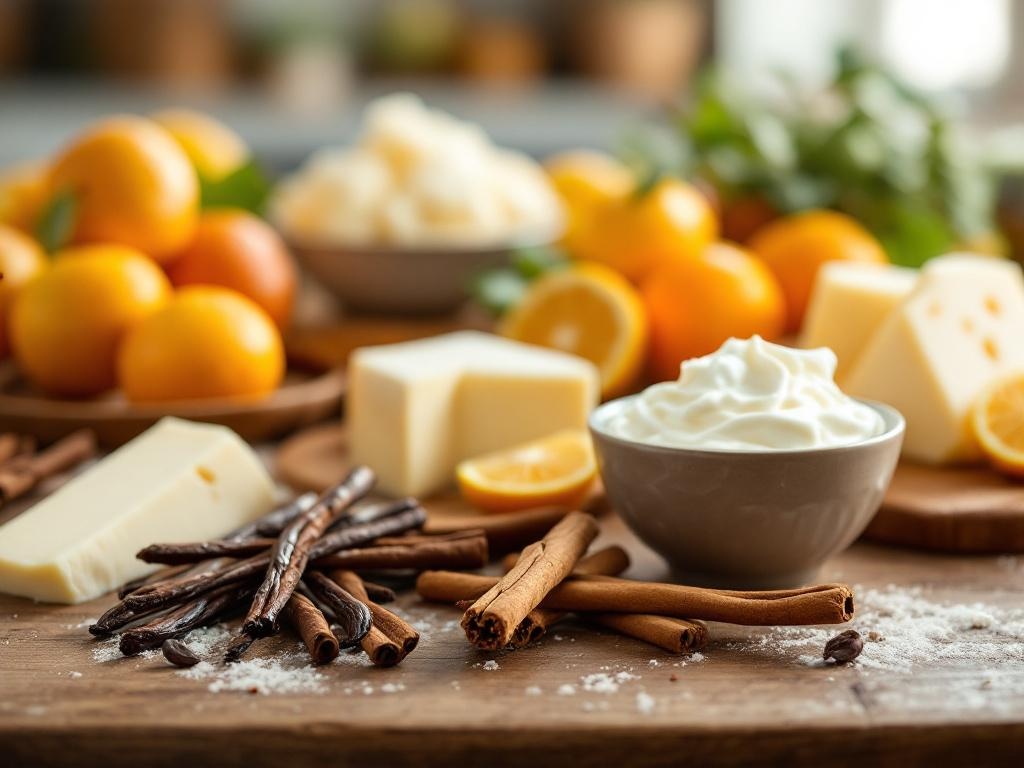
Gelatin raises more questions among Muslims than almost any other ingredient. This protein-based substance appears in a wide variety of products, from the obvious (gummy candies, marshmallows, and Jell-O) to the unexpected (yogurt, cream cheese, medications, and even some wines). Understanding gelatin is fundamental to halal food choices, as its presence often determines whether an otherwise permissible product becomes questionable.
Gelatin is derived through a process called hydrolysis, where collagen, the main structural protein in animal connective tissue, is broken down. This collagen typically comes from the skin, bones, and tendons of animals. The source of this collagen is precisely what makes gelatin a complex issue for halal consumers. In commercial food production, gelatin is most commonly sourced from pork, followed by beef, and less commonly from fish. Pork-derived gelatin is clearly haram, while beef-derived gelatin's status depends on whether the animal was slaughtered according to Islamic requirements.
The global gelatin market is dominated by pork-derived products, particularly in Western countries. Statistics suggest that approximately 46% of worldwide gelatin production comes from pig skin, 29.4% from bovine hides, 23.1% from beef and pig bones, and only 1.5% from fish and other sources. This distribution means that unless a product specifically states otherwise, there's nearly a 50% chance its gelatin comes from pork. As a result, many Islamic scholars and halal certification bodies classify unlabeled gelatin as Mushbooh, and many recommend avoidance unless the source is clearly specified.
For detailed information about gelatin and its halal status, including specific brand guidance, visit our gelatin ingredient guide. The page includes information about halal-certified gelatin alternatives and brands that use plant-based substitutes.
| Gelatin Source | Halal Status | Notes |
|---|---|---|
| Pork (pig skin/bones) | Haram | Most common in Western products |
| Beef (halal-slaughtered) | Halal | Must be certified halal |
| Beef (non-halal slaughter) | Haram | Common in non-certified products |
| Fish gelatin | Halal | Generally accepted by all schools |
| Vegetarian alternatives | Halal | Agar-agar, pectin, carrageenan |
Scholars discuss gelatin's halal status in detail. Some argue that the extensive chemical transformation during gelatin production changes the substance from its original form, a principle known as "istihalah" (transformation) in Islamic jurisprudence. Under this view, even pork-derived gelatin becomes permissible because it's no longer recognizable as pork. Most contemporary halal certification bodies take a more conservative view, maintaining that the source remains relevant regardless of transformation. This is the position adopted by most major certifying organizations, including JAKIM in Malaysia, MUI in Indonesia, and ISNA in North America.
For consumers who want to avoid gelatin entirely, several alternatives exist. Agar-agar, derived from seaweed, provides a nearly identical gelling effect and is plant-based. Pectin, found naturally in fruits, is commonly used in jams and jellies. Carrageenan, another seaweed derivative, works well in dairy products. These alternatives are increasingly available as manufacturers respond to demand from halal-conscious consumers, vegetarians, and those with dietary restrictions.
2. Lecithin: The Ubiquitous Emulsifier in Modern Food Production
Lecithin stands as one of the most widely used food additives in the world, appearing in products ranging from chocolate bars and baked goods to infant formula and margarine. Its primary function as an emulsifier, helping water and oil mix together smoothly, makes it valuable in food manufacturing. Lecithin is generally considered halal, and knowing its sources helps with label checks.
The term "lecithin" refers to a group of fatty substances called phospholipids that occur naturally in all living cells. Commercially, lecithin is extracted primarily from soybeans, making soy lecithin the most common form encountered on food labels. This plant-based origin means soy lecithin is halal. Other significant sources include sunflower seeds and rapeseed (canola), which are also permissible. The growing preference for "sunflower lecithin" in many products, often marketed as non-GMO, represents an equally halal alternative that some consumers prefer for allergen reasons.
For more information about lecithin varieties and their halal status, our lecithin ingredient page provides details. The guide covers different lecithin sources, common products containing lecithin, and tips for label reading.
Plant-based lecithin dominates the market, but egg lecithin does exist and is used in certain pharmaceutical and specialty food applications. Egg-derived lecithin is also halal, as eggs from chickens are permissible in Islamic dietary law. Egg lecithin is less common in general food production due to higher costs and allergen concerns. When a product simply lists "lecithin" without specifying the source, it's most likely soy-derived given market economics and production volumes.
The emulsifying properties of lecithin make it particularly important in chocolate production, where it ensures smooth texture and prevents the cocoa butter from separating. In fact, chocolate manufacturers were among the first to widely adopt lecithin, and today it's nearly impossible to find commercial chocolate without it. For halal-conscious chocolate lovers, this is excellent news, the lecithin in your favorite chocolate bar is almost certainly plant-based and completely permissible. The same applies to its use in baked goods, where lecithin improves dough handling and extends shelf life, and in margarine, where it helps create a stable spread.
3. Citric Acid: The Natural Preservative Found in Nearly Everything
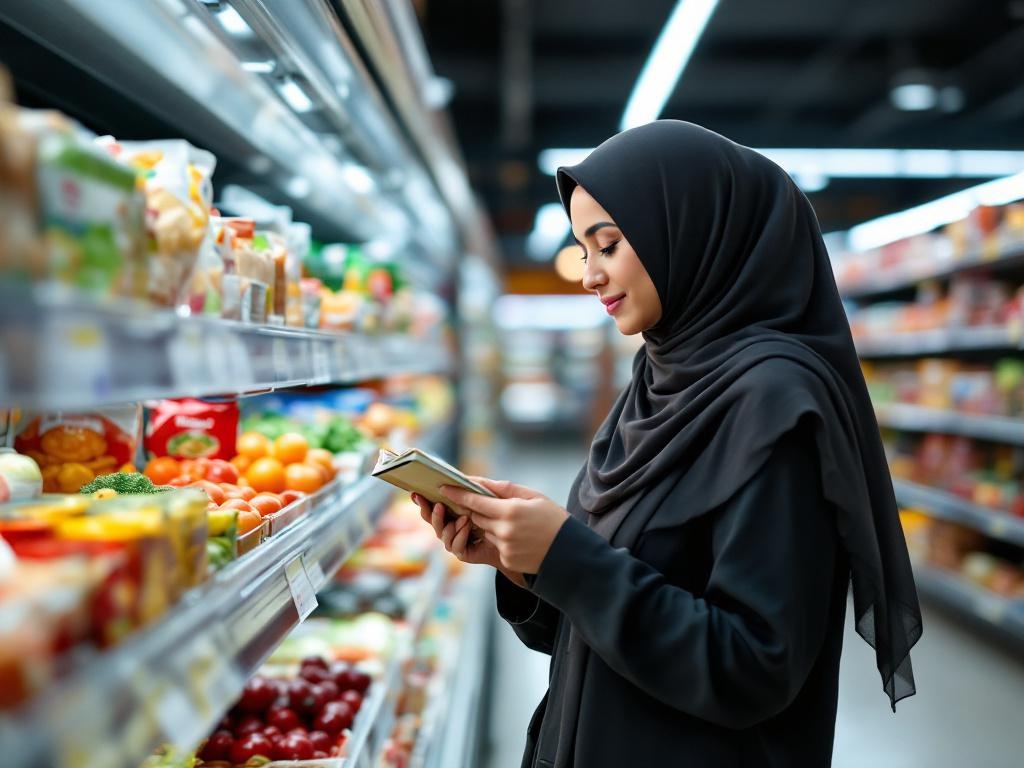
Open any pantry, and you'll find citric acid listed on more products than you might imagine. This naturally occurring organic acid serves multiple functions in food production: as a preservative extending shelf life, as a flavoring agent providing sourness, as an acidity regulator maintaining proper pH levels, and as a chelating agent preventing discoloration. Its versatility explains its presence in soft drinks, candies, canned foods, frozen foods, and even cosmetics and cleaning products.
The halal status of citric acid is straightforward: it is definitively halal. While citric acid was originally extracted from citrus fruits (hence its name), modern industrial production uses a different method. Today, approximately 99% of the world's citric acid is produced through microbial fermentation, primarily using the fungus Aspergillus niger. This microorganism converts sugars (typically from corn, molasses, or wheat starch) into citric acid through a controlled fermentation process. Neither the fungus nor the sugar substrates raise any halal concerns.
Our citric acid ingredient guide provides detailed information about its production methods and uses. This is one ingredient where halal consumers can feel fully confident regardless of the product or brand.
Some consumers occasionally confuse citric acid with other acid additives, so it's worth clarifying that citric acid (E330) should not be confused with substances like lactic acid or stearic acid, which may have different halal considerations. The "E330" designation, part of the European E-number system for food additives, specifically refers to citric acid and is always halal. If you see it listed as "citric acid," "E330," or "acidifier (citric acid)," you can consume the product without concern about this particular ingredient.
| Common Acid Additives | E-Number | Halal Status | Source |
|---|---|---|---|
| Citric Acid | E330 | Halal | Microbial fermentation |
| Lactic Acid | E270 | Halal | Bacterial fermentation |
| Malic Acid | E296 | Halal | Fruits or synthesis |
| Tartaric Acid | E334 | Halal | Wine production byproduct |
| Stearic Acid | E570 | Mushbooh | Plant or animal fats |
4. Maltodextrin: The Versatile Carbohydrate in Processed Foods
Maltodextrin may not be a household name, but this white powder appears in a wide range of products. As a polysaccharide derived from starch, maltodextrin serves various functions: thickening sauces and dressings, extending shelf life, improving texture in baked goods, serving as a carrier for flavorings, and acting as a low-cost filler in many processed foods. You'll find it in everything from sports drinks and protein powders to salad dressings and instant puddings.
The production of maltodextrin involves breaking down starches through a process called hydrolysis. In the United States, corn starch is the primary source, while in Europe, wheat starch is more common. Other sources include rice, potato, and tapioca starches. Regardless of the starch source, the process involves treating the starch with enzymes or acids to break down the long carbohydrate chains into shorter chains. The resulting powder is highly digestible and has a neutral taste, making it ideal for food manufacturing.
From a halal perspective, maltodextrin is generally considered halal because it's derived entirely from plant sources. The enzymes used in production are typically microbial in origin, meaning they're produced by bacteria or fungi rather than extracted from animals. Our maltodextrin guide provides detailed information about various production methods and halal considerations.
While maltodextrin itself is halal, consumers should remain aware that products containing maltodextrin may include other ingredients that require scrutiny. Maltodextrin's presence in a product doesn't automatically make the entire product halal, it's simply one ingredient among many that needs to be considered. This is particularly relevant for products like protein powders and meal replacement shakes, which often contain maltodextrin alongside other ingredients like whey protein, flavorings, and emulsifiers that may have varying halal statuses.
For those watching their diet for health reasons beyond halal compliance, it's worth noting that maltodextrin has a high glycemic index, even higher than table sugar, meaning it causes rapid spikes in blood sugar. While this makes it useful for athletes needing quick energy, it may be a consideration for those managing diabetes or watching their carbohydrate intake. From a purely halal standpoint, maltodextrin remains unambiguously permissible.
5. Vanilla Extract: The Alcohol Question in Flavorings
Vanilla stands as one of the world's most beloved flavors, appearing in countless baked goods, ice creams, beverages, and desserts. Yet for halal-conscious consumers, vanilla extract presents a genuine dilemma because traditional vanilla extract is made by macerating vanilla beans in alcohol, typically at concentrations of 35% or higher. This alcohol content places vanilla extract in the Mushbooh (doubtful) category for many Muslims, requiring careful consideration and potentially seeking alternative products.
The use of alcohol in vanilla extraction isn't arbitrary, alcohol serves as an excellent solvent for extracting the complex flavor compounds from vanilla beans, including vanillin, the primary compound responsible for vanilla's characteristic taste and aroma. Pure vanilla extract, as defined by FDA standards in the United States, must contain at least 35% alcohol by volume and must be derived from real vanilla beans. This standardization ensures quality and authenticity but creates challenges for those avoiding alcohol.
For information about vanilla products and their halal status, including alcohol-free alternatives, visit our vanilla extract ingredient page. The guide covers various vanilla products and helps you understand which options align with your halal requirements.
Islamic scholars have varying opinions on the use of alcohol in food preparation, particularly when the alcohol evaporates during cooking. Some scholars argue that if the final product contains no intoxicating amount of alcohol, typically defined as less than 0.5%, then it becomes permissible. Others maintain a stricter position that any intentional use of alcohol-based extracts should be avoided regardless of final alcohol content. This difference of opinion means that vanilla extract's status genuinely depends on which scholarly interpretation you follow.
For those who prefer to avoid vanilla extract entirely, several halal alternatives exist. Vanilla powder, made from dried and ground vanilla beans, contains no alcohol and provides authentic vanilla flavor. Vanilla paste, which combines vanilla extract, vanilla powder, and a thickening agent, sometimes comes in alcohol-free versions, though label checking is still needed. Synthetic vanillin, while lacking the complex flavor profile of real vanilla, is completely halal and widely used in food manufacturing. Additionally, some brands now offer glycerin-based vanilla extracts that provide the convenience of liquid extract without alcohol.
| Vanilla Product | Alcohol Content | Halal Status | Best For |
|---|---|---|---|
| Pure Vanilla Extract | 35%+ alcohol | Mushbooh | Baked goods (evaporates) |
| Vanilla Powder | None | Halal | All applications |
| Glycerin-Based Extract | None | Halal | Non-heated applications |
| Vanilla Beans | None | Halal | Premium applications |
| Synthetic Vanillin | None | Halal | Commercial products |
6. Carmine (E120): The Insect-Derived Red Coloring Agent
Carmine, also known as cochineal, cochineal extract, natural red 4, or E120, is a bright red pigment derived from the cochineal insect (Dactylopius coccus). This scale insect lives on cacti in Central and South America, and it takes approximately 70,000 cochineal insects to produce just one pound of carmine dye. Despite its insect origin, carmine has been used for centuries as a coloring agent and is valued for its stability and vibrant hue, appearing in foods, cosmetics, textiles, and pharmaceuticals.
The halal status of carmine is a subject of considerable scholarly debate, placing it firmly in the Mushbooh category. The central question is whether insects are permissible (halal) or impermissible (haram) for consumption in Islamic law. Different schools of Islamic jurisprudence take different positions on this matter. The Maliki school, followed predominantly in North and West Africa, considers locusts and certain other insects permissible. Other schools are more restrictive, with many scholars classifying insects as haram or at least makruh (disliked).
For detailed scholarly opinions and product guidance regarding carmine, our carmine ingredient page provides detailed information. Many major halal certification bodies, including those in Malaysia and Indonesia, countries with significant Muslim populations, have declared carmine to be not halal, reflecting a conservative interpretation.
Finding carmine on food labels can be challenging because it goes by multiple names. In addition to "carmine" and "cochineal," you might see "cochineal extract," "crimson lake," "natural red 4," "C.I. 75470," or simply "E120." It appears commonly in red-colored candies, strawberry-flavored products, yogurts, fruit drinks, and even some meat products where it enhances color. The cosmetics industry uses it extensively in lipsticks, blushes, and other makeup products, a consideration for those extending halal principles beyond food.
Those wishing to avoid carmine have several alternatives available. Beet juice extract provides a similar red color from a plant source. Anthocyanins, derived from red cabbage, grapes, or berries, offer another plant-based option. Synthetic red dyes like Red 40 (Allura Red), while not natural, are not derived from insects or animals and are considered halal. When shopping, look for products labeled "no carmine," "vegan colors," or those specifically using beet juice or other plant-based colorings.
7. E471 (Mono and Diglycerides of Fatty Acids): The Hidden Fat-Based Emulsifier
E471, representing mono and diglycerides of fatty acids, is one of the most commonly used emulsifiers in the food industry and remains poorly understood by many consumers. These substances help mix ingredients that would otherwise separate, improve texture, extend shelf life, and modify the baking properties of flour. You'll find E471 in bread, margarine, ice cream, chocolate, peanut butter, and countless other products where smooth texture and stability matter.
The halal complexity of E471 stems from its source materials. Mono and diglycerides are produced from glycerol and fatty acids, both of which can come from either plant or animal sources. When derived from vegetable oils like soybean, palm, or sunflower oil, E471 is clearly halal. When derived from animal fats, the halal status depends on the animal source and slaughter method. The challenge is that product labels rarely specify the source, leaving consumers to wonder whether their bread contains plant-based or animal-based E471.
Our E471 ingredient guide explains the additive and sourcing issues. Given the uncertainty around E471 sources, many halal certification bodies classify unlabeled E471 as Mushbooh and recommend seeking products with halal certification or those explicitly stating plant-based E471.
The economics of E471 production offer some insight into likelihood of sources. Vegetable-based mono and diglycerides are generally less expensive to produce than animal-based versions, which means many manufacturers default to plant sources for cost reasons. Products marketed as vegetarian or vegan will necessarily use plant-based E471. Additionally, products certified kosher (with dairy status clearly indicated) often use plant-based E471 because kosher rules require separation of meat and dairy.
For halal-conscious consumers who want complete certainty, the safest approaches include: choosing products with halal certification, selecting products labeled as vegan or vegetarian, contacting manufacturers directly to inquire about E471 sources, or choosing products that don't contain E471 at all. In bakery products, alternatives include lecithin (discussed earlier) and various plant-based emulsifying systems that provide similar functionality without the uncertainty of E471.
| E471 Source | Halal Status | How to Identify |
|---|---|---|
| Plant-based (soy, palm, sunflower) | Halal | Vegan/vegetarian label, halal certified |
| Animal-based (halal slaughter) | Halal | Halal certification only |
| Animal-based (non-halal/pork) | Haram | Avoid unless source confirmed |
| Unknown/unlabeled source | Mushbooh | Contact manufacturer or avoid |
8. Rennet: The Critical Enzyme in Cheese Making
Cheese lovers who follow halal dietary guidelines face a real challenge: traditional cheese making relies on rennet, an enzyme complex that coagulates milk proteins and separates curds from whey. Understanding rennet matters for anyone who enjoys cheese because its source decides whether a cheese is halal, haram, or needs investigation. The global cheese market is valued at over $150 billion, so this ingredient affects millions of Muslim consumers worldwide.
Traditional animal rennet comes from the stomach lining of young ruminant animals, typically calves, kids (young goats), or lambs. The enzyme chymosin, extracted from the fourth stomach of these animals, has been used in cheese making for thousands of years. The halal status of animal rennet depends on two factors: the species of animal and whether it was slaughtered according to Islamic requirements. Rennet from a calf that was properly slaughtered by a Muslim or Person of the Book (halal slaughter) is permissible. Rennet from improperly slaughtered animals, or from pigs, is not.
Our detailed rennet ingredient page provides specific guidance on cheese types and their likely rennet sources. This resource is particularly valuable for cheese shoppers trying to sort through artisan, imported, and commercial cheeses.
The good news for halal consumers is that alternatives to animal rennet have become increasingly common. Microbial rennet, produced by certain molds and bacteria, offers the same functionality without any animal-derived components and is unambiguously halal. Vegetable rennet, extracted from plants like thistle, fig leaves, or nettles, provides another halal option, though it's less common in commercial production. Today, fermentation-produced chymosin (FPC), made by genetically modified microorganisms that produce the same chymosin enzyme found in calf stomachs, now accounts for approximately 90% of rennet used in the United States and is considered halal by most authorities.
Identifying the rennet source in cheese can be challenging. European cheeses with Protected Designation of Origin (PDO), like Parmigiano-Reggiano and Grana Padano, are required by law to use traditional animal rennet and are therefore Mushbooh unless you can verify halal slaughter (which is unlikely). Many mass-produced commercial cheeses in North America and Europe have switched to microbial or FPC rennet due to lower costs and vegetarian-friendly marketing, so these are generally halal. Cheeses labeled "vegetarian" or "suitable for vegetarians" definitively use non-animal rennet and are safe for halal consumption. When in doubt, look for halal-certified cheese or contact the manufacturer directly.
9. Stearic Acid (E570): The Fat-Derived Additive in Foods and Beyond
Stearic acid, designated as E570 in the European food additive system, is a saturated fatty acid that appears in a wide range of products. In foods, it serves as an anti-caking agent, lubricant, and softener. Beyond food, stearic acid is used in cosmetics, soaps, candles, and even tire manufacturing. Its versatility makes it an ingredient worth understanding for anyone concerned about halal compliance across product categories.
Like many fatty acid derivatives, stearic acid's halal status depends on its source. Stearic acid occurs naturally in both animal fats (particularly beef and pork fat) and vegetable fats (particularly cocoa butter, shea butter, and palm oil). When derived from halal animal sources or any vegetable source, stearic acid is halal. When derived from pork fat or non-halal slaughtered animals, it becomes haram. The challenge, as with E471, is that labels rarely specify the source.
For more information about stearic acid sources and halal considerations, our stearic acid ingredient page provides detailed guidance. Given the uncertainty around sources, stearic acid is classified as Mushbooh unless the source is confirmed.
In practice, the source of commercial stearic acid varies by region and industry. Food-grade stearic acid in the United States is predominantly derived from vegetable sources, particularly as manufacturers respond to vegetarian and vegan market demands. The pharmaceutical industry often uses vegetable-derived stearic acid as a tablet lubricant, though animal-derived versions exist. Cosmetics present more variation, with some products using animal-derived stearic acid while others use vegetable sources, making product-specific research important for those extending halal principles to personal care items.
Products labeled as vegan or vegetarian will necessarily contain plant-derived stearic acid. Kosher certification can also provide guidance, though interpretation varies; pareve (neutral) kosher products would use vegetable-derived stearic acid, while products without pareve designation might not. For complete certainty, halal certification is the clearest option, confirming that any stearic acid in the product comes from permissible sources processed according to halal requirements.
10. Whey Powder: The Dairy Protein Powerhouse
Whey powder has transformed from a cheese-making byproduct into one of the most popular protein supplements in the world. Found in protein shakes, nutrition bars, baked goods, infant formulas, and countless other products, whey provides a complete protein source with an excellent amino acid profile. For halal consumers, whey is mostly straightforward, with a few details to check.
At its core, whey is the liquid remaining after milk is curdled and strained during cheese production. Since milk from cows, goats, and sheep is inherently halal, whey itself is a halal substance. Whey powder is simply whey that has been dried into a powder form for convenience and longer shelf life. The most common forms, whey protein concentrate (WPC) and whey protein isolate (WPI), are produced by filtering and drying whey to concentrate its protein content.
Our whey powder ingredient guide provides detailed information about different whey products and their halal considerations. While whey itself is halal, certain processing aids and additives in whey-containing products may require investigation.
The primary halal concern with whey products relates to how they're processed and what other ingredients they contain. Since whey is derived from cheese making, the rennet used in that process becomes relevant, though by the time whey is separated and processed into powder, any enzyme residues are negligible and most scholars consider this a non-issue. More significant are the additives often included in commercial whey products: flavorings (potentially containing alcohol-based extracts), sweeteners (generally halal), emulsifiers like lecithin (usually halal) or mono/diglycerides (potentially mushbooh), and colorings (watch for carmine in strawberry flavors).
For fitness enthusiasts and health-conscious Muslims, the availability of halal-certified whey protein has expanded significantly in recent years. Brands like MyProtein, Optimum Nutrition, and several specialized halal brands now offer certified products. When choosing whey products, look for halal certification, check the flavor ingredients carefully (vanilla and strawberry flavors deserve extra scrutiny), and consider unflavored whey protein if you want to avoid any additives entirely. You can always add your own halal-compliant flavorings at home.
| Whey Product Type | Halal Status | Watch For |
|---|---|---|
| Unflavored Whey Protein | Halal | None (pure dairy protein) |
| Vanilla Flavored Whey | Mushbooh | Vanilla extract (alcohol content) |
| Strawberry/Red Flavored | Mushbooh | Carmine coloring (E120) |
| Chocolate Flavored Whey | Generally Halal | Check emulsifiers if listed |
| Halal Certified Whey | Halal | All ingredients verified |
Key Takeaways
- ✓ Gelatin requires caution. Most commercial gelatin comes from pork or non-halal beef. Seek halal-certified gelatin or plant-based alternatives like agar-agar.
- ✓ Lecithin is generally halal as it's typically derived from soy or sunflower. Look for "soy lecithin" or "sunflower lecithin" on labels.
- ✓ Citric acid (E330) is always halal. It's produced by microbial fermentation from plant-based sugars.
- ✓ Maltodextrin is halal as it's derived entirely from plant starches like corn, wheat, or potato.
- ✓ Vanilla extract is mushbooh due to alcohol content. Consider vanilla powder or glycerin-based alternatives for stricter adherence.
- ✓ Carmine (E120, cochineal) is derived from insects. Many scholars and certification bodies consider it not halal. Look for beet-based alternatives.
- ✓ E471 (mono and diglycerides) can come from plant or animal sources. Vegan-labeled products use plant-based E471 and are safe.
- ✓ Rennet in cheese varies. Look for "vegetarian cheese" or halal-certified options. Microbial rennet is halal.
- ✓ Stearic acid (E570) can be plant or animal-derived. Products labeled vegan will contain plant-based stearic acid.
- ✓ Whey powder is halal as a dairy product. Watch for additives in flavored varieties, particularly vanilla extract and carmine coloring.
Practical Tips for Halal Ingredient Verification
With these ten common ingredients in mind, you're better equipped to read labels. Knowledge alone isn't enough; you need practical strategies for real-world shopping situations. Here are approaches that experienced halal-conscious consumers use to make informed decisions quickly and confidently.
First, prioritize products with halal certification from recognized organizations. Major certifying bodies include JAKIM (Malaysia), MUI (Indonesia), IFANCA (USA), HMC (UK), and ISNA (Canada). A halal certification mark means professionals have already verified every ingredient and the production process, which removes guesswork. Not all products carry halal certification, but the number has grown significantly, and major retailers increasingly stock certified products.
Second, leverage the vegetarian and vegan labeling that's become standard in many markets. Products certified as vegan or labeled "suitable for vegetarians" cannot contain animal-derived ingredients, which resolves concerns about gelatin, animal-derived E471, non-vegetarian rennet, and animal-sourced stearic acid. Vegan labeling doesn't address alcohol-based extracts, but it removes many of the most common ingredient concerns.
Third, don't hesitate to contact manufacturers directly. Most companies have customer service teams trained to answer ingredient source questions, and many have become accustomed to halal-related inquiries as this consumer segment grows. Document the responses you receive. Building a personal database of verified products and brands saves time on future shopping trips and helps you build relationships with trustworthy manufacturers.
Fourth, use technology to your advantage. The HalalLens app allows you to scan product ingredients and receive instant halal status information for each component. Rather than memorizing E-numbers and complex ingredient names, simply point your camera at an ingredient list and let technology do the analysis. This approach is useful when shopping in unfamiliar stores or when encountering new products.
Scan Ingredients Instantly with HalalLens
Why memorize ingredient lists when technology can help? HalalLens analyzes food labels in real-time, identifying the halal status of every ingredient, including all ten we've discussed . Simply point your camera at any ingredient list and get instant, reliable results.
Try HalalLens FreeDecoding Food Labels: E-Numbers and Alternative Names
One of the biggest challenges in halal ingredient verification is the variety of names used for the same substance. Manufacturers in different regions use different naming conventions, and the European E-number system adds another layer of complexity. Mastering this vocabulary helps with confident label reading. The following reference table covers the ten ingredients we've discussed, their alternative names, and their E-numbers where applicable.
| Ingredient | E-Number | Alternative Names | Status |
|---|---|---|---|
| Gelatin | E441 | Gelatine, gel, hydrolyzed collagen | Mushbooh |
| Lecithin | E322 | Soy lecithin, sunflower lecithin, phosphatidylcholine | Halal |
| Citric Acid | E330 | Acidifier, sour salt, hydrogen citrate | Halal |
| Maltodextrin | N/A | Maltodextrine, dextrin, modified starch | Halal |
| Vanilla Extract | N/A | Natural vanilla flavor, vanillin, vanilla essence | Mushbooh |
| Carmine | E120 | Cochineal, cochineal extract, natural red 4, crimson lake | Mushbooh |
| Mono/Diglycerides | E471 | DATEM, glycerides, fatty acid esters | Mushbooh |
| Rennet | N/A | Chymosin, rennin, enzyme (in cheese) | Mushbooh |
| Stearic Acid | E570 | Octadecanoic acid, stearate | Mushbooh |
| Whey | N/A | Whey protein, whey powder, milk serum, lactalbumin | Halal |
Conclusion: Empowered Eating Through Knowledge
Understanding these ten common ingredients transforms the often-anxious experience of food shopping into a confident, informed process. While the modern food industry's complexity can seem overwhelming, the reality is that a relatively small number of ingredients account for the majority of halal concerns in processed foods. By mastering the ten ingredients covered : gelatin, lecithin, citric acid, maltodextrin, vanilla extract, carmine, E471, rennet, stearic acid, and whey, you've equipped yourself to handle approximately 80% of the ingredient-related questions you'll encounter.
Remember that halal eating isn't about anxiety or excessive restriction. It's about mindful consumption that aligns with Islamic values. The Prophet Muhammad (peace be upon him) taught us to seek what is pure and wholesome, and our modern food supply, despite its complexity, offers abundant halal options for those who know what to look for. The growth of halal certification worldwide, combined with the trend toward clear labeling and plant-based alternatives, means that eating halal has never been more accessible.
As you apply this knowledge, share it with others in your community. A parent teaching their children to read labels, a friend helping another find their way in a new supermarket, or a community group discussing halal food options. These small acts of knowledge sharing strengthen our collective ability to maintain halal diets in the modern world. The journey toward confident halal eating is one we take together.
Technology continues to make this journey easier. Apps like HalalLens put ingredient information literally in the palm of your hand, analyzing labels in real-time and drawing on databases of thousands of ingredients and products. Combined with the foundational knowledge you've gained from this guide, these tools ensure that no ingredient label is too complex to decode, no E-number too mysterious to understand, and no shopping trip too challenging to complete with confidence.
Never Second-Guess an Ingredient Again
From gelatin to E471, from carmine to rennet, HalalLens identifies every ingredient's halal status instantly. Just point, scan, and know. Join thousands of Muslims worldwide who've made HalalLens their trusted companion for confident halal eating.
Download HalalLens NowDisclaimer: This article is for educational purposes and represents general guidance on halal food ingredients. Islamic dietary rulings can vary between different schools of thought and scholarly interpretations. For specific religious rulings (fatawa), please consult with qualified Islamic scholars or your local religious authority. Product formulations can change, so always verify current ingredients before consumption. HalalLens strives to provide accurate information but cannot guarantee the halal status of every product or ingredient variant.
Sources: Information compiled from Islamic Food and Nutrition Council of America (IFANCA), Malaysian Islamic Development Department (JAKIM), European Food Safety Authority (EFSA), FDA food additive databases, and peer-reviewed Islamic jurisprudence sources.
This article was researched, written, and edited with AI assistance. Content has been reviewed for accuracy and clarity. Last updated: January 2026.