Classic French Toast (Pain Perdu)
A halal-friendly French toast recipe with custardy brioche, cinnamon, and maple syrup, plus the history of pain perdu and tips for perfect texture.

French toast is a simple, comforting dish built on a smart idea: revive sturdy bread by soaking it in a lightly sweetened custard and pan-frying until the outside is golden and the inside turns soft and custardy. In France it is known as pain perdu, “lost bread,” a name that nods to its role as a thrifty way to rescue slices that are no longer fresh. Over time, the technique traveled and adapted, becoming a beloved breakfast in many homes while still keeping its original purpose: transforming humble ingredients into something warm, fragrant, and satisfying.
Food historians often point to much older antecedents for the method of soaking bread, frying it, and sweetening it. A Roman-era recipe in Apicius describes bread soaked in milk and beaten eggs, fried in oil, and finished with honey, a remarkably familiar framework for today’s French toast. Apicius, Book VII preserves this kind of “sweet dish” preparation and shows how ancient kitchens already understood the appeal of custardy bread.
By the seventeenth century, English cookbooks were also recording similar preparations. Hannah Woolley’s The Queen-like Closet (1684) includes a recipe “To fry Toasts” that coats bread in a rich mixture with egg yolks and cream before frying in butter and dusting with sugar and cinnamon, a clear ancestor of modern French toast. The Queen-like Closet (Woolley, 1684) offers a direct window into how early cooks treated bread, dairy, and spice as a luxurious breakfast treat.
From “Lost Bread” to Breakfast Classic
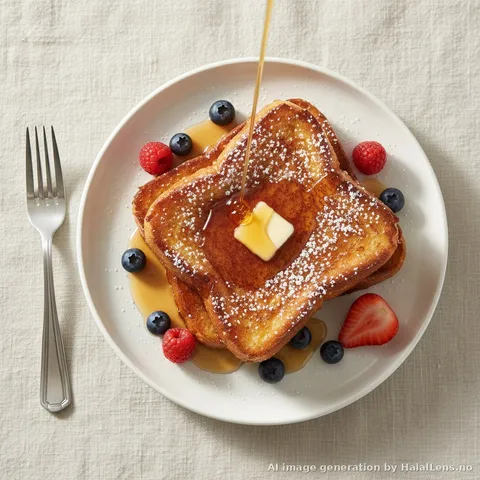
In French, the name pain perdu literally means “lost bread,” highlighting the dish’s practical origins: stale bread that would otherwise be wasted is “found” again through soaking and frying. The method keeps the center tender while creating a browned surface with a subtle crunch. The same idea shows up across Europe under different names and in varied styles, but the core technique remains consistent. The English term “French toast” spread widely in the nineteenth and twentieth centuries, and the dish became a standard breakfast item in North America, usually flavored with cinnamon, vanilla, and a drizzle of syrup. The Wikipedia overview captures both the French terminology and the dish’s broad adoption across regions. French toast (Wikipedia)
What makes French toast so appealing is the balance between texture and aroma. Bread that is dry enough to absorb custard becomes tender without falling apart. The eggs set gently, creating a soft interior; dairy adds richness and a light sweetness. When the surface meets hot butter, the edges brown and the sugars caramelize, producing that unmistakable toasted fragrance. This recipe leans toward a classic French-inspired profile: brioche or challah, a custard of milk and cream, vanilla, cinnamon, and a light kiss of sugar.
Halal Adaptation Notes
French toast is naturally halal when prepared with halal-certified dairy and eggs. The one ingredient to watch is vanilla: some extracts are made with alcohol. If you avoid alcohol, choose an alcohol-free vanilla extract or substitute vanilla bean powder. Also ensure butter is free of non-halal additives (standard unsalted butter is typically fine). Everything else in this recipe is straightforward and halal by default.
Recipe Snapshot
| Yield | 4 servings |
|---|---|
| Prep time | 10 minutes |
| Cook/Bake time | 15 minutes |
| Total time | 25 minutes |
| Cuisine | French-inspired |
Ingredients
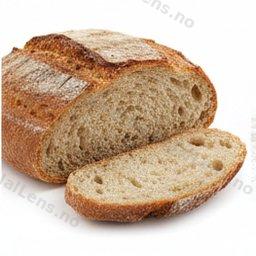
Use sturdy, slightly stale bread so it absorbs the custard without tearing. Brioche, challah, or thick-cut country bread all work well. The custard should taste lightly sweet and fragrant before it hits the pan.
Custard
|
Bread
8 thick slices, preferably day-old
|
MUSHBOOH |
 |
Eggs
4 large
|
HALAL |
|
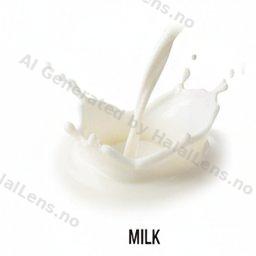
Milk
1 cup (240 ml)
|
HALAL |
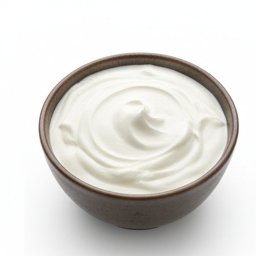 |
Heavy cream
1/3 cup (80 ml)
|
HALAL |
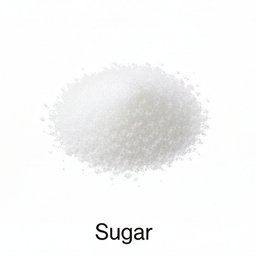 |
Sugar
2 tablespoons
|
HALAL |
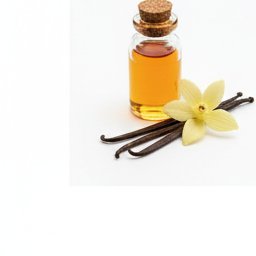 |
Vanilla extract (alcohol-free)
2 teaspoons
|
HALAL |
|
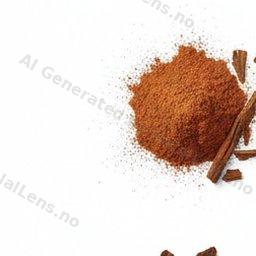
Cinnamon
1 teaspoon, plus more for serving
|
HALAL |
|
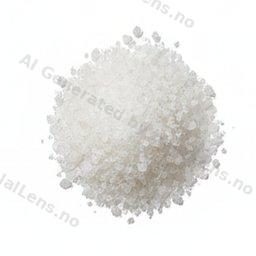
All natural sea salt
1/4 teaspoon
|
HALAL |
For cooking and serving
|
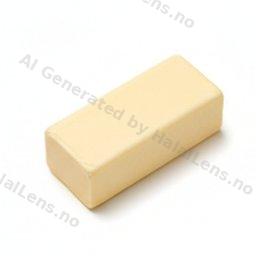
Butter
3 tablespoons, divided
|
HALAL |
 |
Maple syrup
1/2 cup, for serving
|
HALAL |
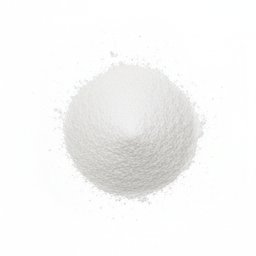 |
Powdered sugar
2 tablespoons, for dusting (optional)
|
MUSHBOOH |

|
Fresh berries
1 cup, for serving (optional)
|
HALAL |

Method
- Whisk the eggs, milk, cream, sugar, vanilla, cinnamon, and sea salt in a wide shallow dish until smooth and well combined.
- Warm a large skillet or griddle over medium heat and add 1 tablespoon of butter. Let it melt and lightly foam.
- Dip each bread slice into the custard for 8–10 seconds per side, letting it absorb without turning soggy.
- Place soaked bread on the hot skillet and cook 2–3 minutes per side, until golden brown and the center is set.
- Repeat with remaining bread, adding more butter as needed. Keep cooked slices warm on a plate.
- Serve hot with maple syrup, a dusting of powdered sugar, and fresh berries if desired.
Tips & Variations
- Use day-old bread for best texture; fresh bread can turn mushy.
- For a richer custard, replace some milk with extra cream.
- Prefer alcohol-free flavoring? Use vanilla bean powder instead of extract.
- Add orange zest to the custard for a citrusy, French-style aroma.
AI disclosure: This recipe article was drafted with AI assistance and reviewed by HalalLens for accuracy and halal compliance.