Ghormeh Sabzi — Persian Herb Stew with Beef and Dried Limes
Iran's national dish: beef braised with slow-fried herbs, red kidney beans, and tangy dried Persian limes. A halal-friendly guide to this centuries-old stew.
Ghormeh sabzi is widely considered the national dish of Iran — a deep, dark green stew built from slow-fried fresh herbs, tender braised beef, red kidney beans, and the unmistakable tang of dried Persian limes. It is the dish most Iranians name first when asked what "home" tastes like, and it is the first Persian main course to join HalalLens's recipe collection (alongside our earlier coverage of ash-e reshteh, the beloved Persian noodle-and-bean soup). Where ash-e reshteh is a brothy soup thickened with noodles and often served for Nowruz or as a comforting winter meal, ghormeh sabzi is a thick, herb-forward braise with almost no resemblance in texture, method, or occasion — the two dishes share a country of origin but nothing else on the plate.
The name itself explains the dish: "ghormeh" comes from an old Persian word for braised or slow-cooked meat, while "sabzi" simply means herbs or greens. Put together, ghormeh sabzi literally means "braised herbs," and that is exactly the technique that defines it — parsley, cilantro, and fenugreek leaves are fried low and slow until they darken almost to black, concentrating their flavor before anything else touches the pot.
A Dish with Centuries of History
Food historians trace hearty Iranian stews built on fragrant herbs, meat, and legumes back to the Sassanian era, with many culinary writers pointing to the Safavid dynasty (1501–1736) — a period noted for major advances in Persian court cooking — as the era when ghormeh sabzi took something close to its modern shape. Regional food historians in Iran generally agree the dish's roots run deepest in the western and southern provinces, including Kurdistan, Kermanshah, and Khuzestan, where fresh herbs have long been abundant and where slow-braising techniques were already well established. Whatever its precise birthplace, ghormeh sabzi is now cooked in nearly every Iranian household, and by most accounts it is one of the oldest stews still in everyday rotation in Iranian kitchens, with a lineage that food writers estimate stretches back at least 500 years, according to a detailed history published by the Cyprus Mail.
The dish carries genuine cultural weight beyond the dinner table. It appears at Nowruz (Persian New Year) gatherings, family celebrations, and everyday Friday lunches with grandparents — the kind of meal that signals someone is being properly looked after. Its reputation has also spread well past Iran's borders: in 2022 the food-ranking guide TasteAtlas placed ghormeh sabzi among the world's ten best-rated dishes, putting it in the same company as Peruvian ceviche and Turkish çağ kebabı, a recognition that Persian home cooks had already taken for granted for generations.
What Makes the Flavor So Distinctive
Two techniques set ghormeh sabzi apart from other herb-based stews found across the Middle East and South Asia. The first is the herb-frying step itself. A generous mountain of finely chopped parsley, cilantro, and fenugreek — plus scallions or leeks in many family recipes — is sautéed in oil over medium-low heat for fifteen to twenty minutes, stirred constantly, until the volume shrinks dramatically and the color shifts from bright green to a deep, almost blackened green. This is not a mistake to avoid; it is the entire point. The slow frying drives off excess moisture and releases essential oils that would otherwise stay locked inside raw leaves, and it's the step that gives the finished stew its signature earthy depth. Recipe developer and food writer coverage of the dish, including a detailed walkthrough from The Mediterranean Dish, consistently flags this step as the one home cooks are most likely to rush — and the one most responsible for a flat-tasting stew when they do.
The second defining ingredient is limoo omani, dried Persian limes, which are simmered whole (or halved, for a sharper result) alongside the beef and herbs. Persian-British chef and cookbook author Sabrina Ghayour, who has written extensively on the dish, notes that the limes are typically pierced several times with a fork or skewer before going into the pot, which lets the tart, slightly fermented juice slowly leach into the stew over the long simmer rather than releasing all at once — see her detailed method at sabrinaghayour.com. Some cooks soak the dried limes in warm water for a few hours first and change the water once or twice, which softens their bitterness while preserving the citrus tang that makes ghormeh sabzi taste unlike almost any other braised beef dish.
Halal Adaptation Notes
Ghormeh sabzi is halal by tradition — there is no pork, no wine deglazing, and no alcohol-based flavoring in the classic recipe. The core ingredients (beef, fresh herbs, dried limes, kidney beans, onion, turmeric) are all inherently halal, which is part of why the dish has always fit naturally into Iranian Muslim households. HalalLens has made a small number of adaptations and callouts worth knowing before you cook:
- Beef source: use beef from a certified halal supplier. Cross-contamination with non-halal cuts is the most common risk in mixed butcher counters, not the recipe itself.
- Stock and bouillon: some quicker versions of this recipe call for beef bouillon cubes or pre-made stock to boost flavor. Many commercial bouillon products contain animal-derived flavor bases of unclear origin, or are processed on shared lines with non-halal stock — plain water, or a stock you've made yourself from halal-certified beef bones, is the safer choice.
- Oil: stick to a neutral vegetable oil (sunflower, canola, or light olive oil). No dish-specific halal concern here, but avoid pre-seasoned "browning" oils that sometimes contain unlisted animal fat.
- No substitutions needed for alcohol: unlike many European braises, ghormeh sabzi never traditionally used wine or spirits, so there's no deglazing step to re-engineer — this is one of the more naturally halal-friendly stews in global cuisine.
Recipe Snapshot
| Yield | Serves 6 |
|---|---|
| Prep time | 30 minutes (plus 2 hours soaking dried limes) |
| Cook time | 3 hours 15 minutes |
| Total time | About 4 hours |
| Cuisine | Persian (Iranian) |
Ingredients
Most of the volume in this recipe comes from fresh herbs, not meat — don't be alarmed by how large the pile of parsley and cilantro looks before it hits the pan. It cooks down to a fraction of its raw size.
Meat and Aromatics
| Beef stew meat (chuck), cubed 900g / 2 lb |
— |
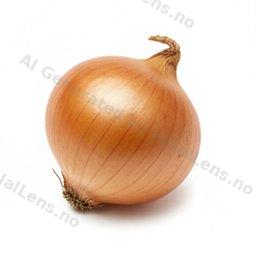 |
Onion, finely chopped 1 large |
HALAL |
| Turmeric 2 tsp |
HALAL |
 |
Vegetable oil 3 tbsp, divided |
HALAL |
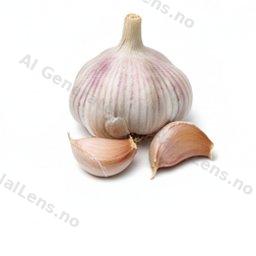 |
Garlic, minced (optional) 2 cloves |
HALAL |
Herbs and Beans
| Fresh parsley, finely chopped 2 cups packed |
HALAL |
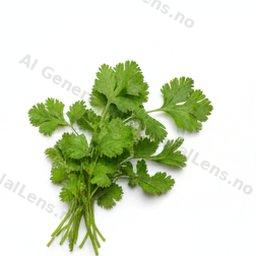 |
Fresh cilantro (coriander), finely chopped 1 cup packed |
HALAL |
| Fresh fenugreek leaves, chopped (or 2 tbsp dried) 1/2 cup fresh |
HALAL |
| Scallions or leeks, finely chopped 1/2 cup |
— |
| Red kidney beans, drained and rinsed 1 can (425g / 15 oz), or 1.5 cups cooked |
— |
Souring and Seasoning
 |
Dried Persian limes (limoo omani), pierced 4–5 whole |
HALAL |
| Black pepper 1 tsp, plus salt to taste |
— |
| Water or homemade halal beef stock 3 cups |
— |
Method
- Rinse the dried Persian limes and pierce each one several times with a fork or skewer. Soak them in a bowl of warm water for at least 2 hours (up to 4), changing the water once, to soften them and pull out some of their bitterness. Drain before use.
- Heat 1 tablespoon of the vegetable oil in a large heavy-bottomed pot over medium-high heat. Add the beef cubes in a single layer, working in batches if needed, and brown on all sides, about 6–8 minutes total. Remove and set aside.
- In the same pot, add the chopped onion and cook over medium heat until soft and translucent, about 5 minutes. Stir in the turmeric and cook for another 30 seconds until fragrant. Return the beef to the pot.
- Pour in the water (or halal beef stock) so the beef is mostly submerged. Bring to a boil, then reduce to a low simmer, cover, and cook for 1.5 to 2 hours, until the beef is tender enough to shred easily with a fork.
- While the beef simmers, wash and thoroughly dry the parsley, cilantro, fenugreek, and scallions, then finely chop them together on a large cutting board (or pulse briefly in a food processor, being careful not to purée them).
- In a wide skillet, heat the remaining 2 tablespoons of oil over medium heat. Add the chopped herb mixture and cook, stirring often, for 15–20 minutes. The volume will shrink dramatically and the color will darken from bright green to a deep, almost blackened green — this step cannot be rushed, as it's what builds the stew's signature depth of flavor.
- Stir the fried herbs into the beef pot, along with the drained kidney beans and the softened, pierced dried limes. Add black pepper and salt to taste.
- Partially cover and simmer on low heat for another 45 minutes to 1 hour, stirring occasionally and pressing gently on a lime or two with the back of a spoon to release more of their tart juice into the broth. The stew is ready when the oil begins to rise slightly to the surface and the sauce has thickened to a rich, dark, almost glossy consistency.
- Taste and adjust: if you prefer a sharper, more sour stew, split one or two of the dried limes open with a knife and stir them back in for the final 10 minutes. If it tastes flat, it usually needs a touch more salt or a few extra minutes of simmering, not more spice.
- Let the stew rest off the heat for 10 minutes before serving. Serve hot, ladled generously over steamed basmati rice (chelow), with a plate of fresh herbs (sabzi khordan) or Persian pickles (torshi) alongside.
Tips & Variations
- Don't skip the herb-frying step. Adding raw chopped herbs directly to the simmering pot produces a stew that tastes grassy and thin instead of deep and savory — the slow fry is non-negotiable for authentic flavor.
- No fresh fenugreek where you live? Dried fenugreek leaves (found in Persian and South Asian grocers) work well in a pinch — use about a third of the volume called for fresh, since dried leaves are more concentrated and can turn bitter if overused.
- Lamb instead of beef is just as traditional in many Iranian households and gives the stew a richer, slightly gamier backbone — cube the lamb the same way and follow the same braising times.
- No dried limes on hand? Fresh lime juice plus a small pinch of dried lime powder (limoo omani powder) gets you closer than plain lime juice alone, though the flavor won't be quite as complex as using whole dried limes.
- Make it ahead. Like most braises, ghormeh sabzi tastes even better the next day, once the herbs, beans, and limes have had more time to meld. It also freezes well for up to three months in an airtight container.
- Vegetarian adaptation. Some home cooks swap the beef for extra kidney beans and a mix of mushrooms or eggplant, keeping the herb base and dried limes exactly the same — the herbs are really what define the dish, not the meat.
AI disclosure: This recipe article was drafted with AI assistance and reviewed by HalalLens for accuracy and halal compliance.