Halal Bibimbap — Korean Mixed Rice Bowl with Beef and Gochujang
A halal take on Korea's iconic mixed rice bowl, made with halal beef and alcohol-free gochujang, topped with seasoned namul and egg.
Bibimbap — literally "mixed rice" in Korean — is one of the most recognizable dishes to come out of the Korean peninsula: a bowl of warm short-grain rice crowned with a rainbow of seasoned vegetables, a fried or raw egg, and a fiery, funky-sweet gochujang sauce that gets stirred through everything just before eating. This halal version swaps in halal-certified beef and alcohol-free gochujang so the dish can be enjoyed exactly as intended — deeply savory, visually striking, and endlessly adaptable — without compromising on halal integrity. It sits alongside our existing bulgogi, halal KFC-style fried chicken, and kimchi coverage as a distinct entry: bibimbap is a composed rice bowl built around namul (seasoned vegetable sides) and gochujang, not a marinated grilled meat dish or a fermented cabbage side.
The exact origins of bibimbap are genuinely uncertain, and that ambiguity is part of what makes the dish so interesting. Food historians trace it back to at least the late Joseon Dynasty (1392–1897), but there is no single documented moment or inventor. Several overlapping theories exist side by side, and Korean food writers tend to present them as complementary rather than competing. One holds that bibimbap began as practical farmer's fare during the busiest points of the agricultural calendar, when workers needed a fast, portable, one-bowl meal that combined rice with whatever vegetables were on hand and could be eaten quickly with minimal cleanup. Another theory ties the dish to jesa, Korean ancestral memorial rites, where leftover ceremonial food — rice, various namul, and sauces used as offerings — was traditionally mixed together afterward so that nothing prepared for the ritual went to waste. A third points to the royal court, where "goldongban," a refined mixed-rice dish served to Joseon kings, is considered by some historians to be a direct ancestor of the bibimbap eaten today. According to National Geographic's overview of the dish, these layered origin stories — farmer's meal, ritual leftovers, and royal refinement — all feed into the version of bibimbap that spread nationally over the twentieth century.
Jeonju: The City That Claims Bibimbap
No discussion of bibimbap's history is complete without Jeonju, the capital of North Jeolla Province in southwestern Korea. Jeonju is a UNESCO Creative City of Gastronomy, and its version of the dish — built on a rich beef broth-cooked rice, dozens of small seasoned vegetables, and a raw egg yolk on top — is widely considered the definitive regional style. The city's status as a culinary capital isn't incidental: North Jeolla's fertile plains have long produced some of Korea's most prized rice, soybeans, and vegetables, giving Jeonju cooks unusually high-quality raw ingredients to work with. That reputation is now formalized in the city's annual Bibimbap Festival, first held in 1994, which has grown into a major cultural event drawing large crowds and cementing Jeonju's identity as Korea's bibimbap capital, according to reporting from the Cyprus Mail's history of the dish. Other regions have their own takes — Jinju bibimbap in the southeast is known for a raw beef (yukhoe) topping and a distinctive sauce, while Tongyeong and other coastal towns favor seafood-forward versions — but Jeonju-style remains the template most people picture when they hear the word "bibimbap."
What Bibimbap Actually Represents
Beyond the specific ingredients, bibimbap carries symbolic weight in Korean food culture. Its five-color scheme — drawing on the traditional obangsaek palette of white, black, red, blue-green, and yellow — is meant to represent balance and completeness, with each color linked to a direction, an organ, and an element in traditional Korean thought. A well-made bibimbap therefore isn't just visually appealing by accident; the arrangement of white rice, dark seaweed or mushrooms, red gochujang, green vegetables, and yellow egg is a deliberate nod to harmony and health. Because the dish physically combines many separately prepared components into one bowl that's stirred together only at the table, it has also become a popular shorthand for unity and inclusiveness in Korean culture — a single dish that is genuinely greater than the sum of its parts. A 2015 academic review published in the Journal of Ethnic Foods examined bibimbap's nutritional and cultural profile in detail, noting how its combination of grains, vegetables, and protein reflects long-standing Korean ideas about balanced eating.
Halal Adaptation Notes
Two adjustments make this bibimbap fully halal without changing its character. First, the beef: traditional bibimbap recipes call for thin-sliced or ground beef, often seasoned simply with soy sauce, garlic, and sesame oil in a style very close to bulgogi seasoning. Use halal-certified beef from a trusted halal butcher or supplier — this is a straightforward swap that doesn't require any change to the seasoning or cooking method. Second, and more easily overlooked: gochujang. Commercially produced gochujang is fermented, and while most modern bottled versions do not contain alcohol as a deliberate ingredient, fermentation can occasionally produce trace amounts, and some specialty or artisanal batches use rice wine (cheongju) in the process. Always check the label for halal certification or verify with the manufacturer that no alcohol or rice wine is used, and choose a halal-certified or explicitly alcohol-free gochujang brand where available. The soy sauce used in the beef marinade and namul seasoning should also be checked, since some soy sauce production processes involve trace alcohol from natural fermentation — our own ingredient database flags standard soy sauce as mushbooh (doubtful) for exactly this reason, so opt for a halal-certified soy sauce brand to remove any ambiguity. With halal beef and a verified alcohol-free gochujang and soy sauce, every other component of bibimbap — rice, vegetables, sesame oil, egg — is halal by default with no adaptation needed. This recipe is distinct from our existing bulgogi guide (which focuses on the marinated grilled beef itself, not a full mixed-rice bowl), our halal KFC-style fried chicken coverage, and our kimchi article — bibimbap is its own composed dish built around namul and gochujang.
Recipe Snapshot
| Yield | 4 bowls |
|---|---|
| Prep time | 40 minutes |
| Cook/Bake time | 25 minutes |
| Total time | 1 hour 5 minutes |
| Cuisine | Korean |
Ingredients
Bibimbap is built from three layers: steamed rice as the base, a set of individually seasoned namul (vegetable sides) plus halal beef as the toppings, and a gochujang-based sauce that ties it all together. Each vegetable is cooked separately and seasoned on its own — this is what gives bibimbap its distinct, layered flavor rather than a single blended taste.
Base and Protein

|
Short-grain rice
2 cups, cooked
|
HALAL |
|
Halal beef (thin-sliced sirloin or ground)
300g, from a certified halal supplier
|
— | |
|
Egg
4, fried sunny-side up (or raw yolk, Jeonju-style)
|
HALAL |
Namul (Seasoned Vegetables)
|
Spinach
1 bunch, blanched
|
— | |
|
|
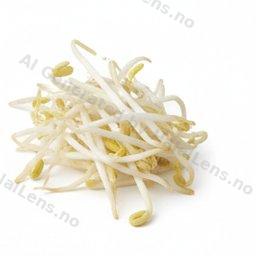
Bean sprouts (kongnamul)
1 cup, blanched
|
HALAL |

|
Carrot
1 large, julienned
|
HALAL |
|
Zucchini
1 medium, julienned
|
— | |

|
Shiitake mushrooms
6-8, sliced
|
HALAL |
Seasonings and Sauce
|
Gochujang (alcohol-free / halal-certified)
4 tbsp, verified alcohol-free
|
— | |

|
Soy sauce (halal-certified)
3 tbsp, divided
|
MUSHBOOH |
|
|
Sesame oil
3 tbsp, divided
|
HALAL |
|
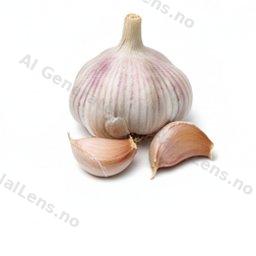
Garlic
4 cloves, minced, divided
|
HALAL |
|
Sesame seeds
1 tbsp, toasted, for garnish
|
HALAL |
|
Scallions (green onions)
2, thinly sliced, for garnish
|
— |
Method
- Cook the rice: rinse 2 cups of short-grain rice until the water runs mostly clear, then cook according to package instructions (or in a rice cooker) with slightly less water than usual so the grains stay firm enough to hold up to mixing. Keep warm until serving.
- Marinate the beef: slice the halal beef thinly against the grain (or use ground beef). Toss with 1 tablespoon soy sauce, 1 tablespoon sesame oil, 1 minced garlic clove, and a pinch of black pepper. Let sit for 15-20 minutes while you prepare the vegetables.
- Prepare the spinach namul: blanch the spinach in boiling water for 30-45 seconds until just wilted. Drain, rinse under cold water to stop the cooking, and squeeze out as much excess water as possible — this step is essential, since wet spinach will make the whole bowl soggy. Toss with a pinch of salt, ½ teaspoon sesame oil, and a small pinch of minced garlic.
- Prepare the bean sprout namul: blanch the bean sprouts for 2-3 minutes until tender but still with a slight crunch. Drain thoroughly and squeeze out excess water. Season with a pinch of salt, ½ teaspoon sesame oil, and minced garlic, tossing gently to combine.
- Cook the carrot: heat a small amount of oil in a pan over medium-high heat and stir-fry the julienned carrot for 2-3 minutes with a pinch of salt until just softened but still bright orange and slightly crisp. Set aside.
- Cook the zucchini: in the same pan, stir-fry the julienned zucchini for 2-3 minutes with a pinch of salt until tender. Set aside separately from the carrot so the colors and flavors stay distinct.
- Cook the mushrooms: stir-fry the sliced shiitake mushrooms in a little sesame oil with a pinch of salt and minced garlic for 3-4 minutes until browned and fragrant. Set aside.
- Cook the beef: heat a pan over high heat and stir-fry the marinated beef for 3-5 minutes until fully cooked and lightly caramelized at the edges. Set aside.
- Make the gochujang sauce: whisk together the gochujang, remaining soy sauce, remaining sesame oil, a minced garlic clove, and a small amount of sugar or honey to taste, adjusting until the sauce is glossy, spicy, and slightly sweet.
- Fry or prepare the eggs: fry the eggs sunny-side up in a lightly oiled pan, keeping the yolks runny, or use the traditional Jeonju approach of adding a raw yolk directly onto the finished bowl.
- Assemble the bowls: divide the warm rice among four bowls (a hot stone bowl, or dolsot, gives the best texture and a crisp bottom layer of rice if you have one, but a regular bowl works well too). Arrange the beef and each vegetable in separate mounded sections around the rice so the colors stay distinct, then top each bowl with a fried or raw egg.
- Finish and serve: spoon 1-2 tablespoons of gochujang sauce over the top of each bowl, sprinkle with toasted sesame seeds and sliced scallions, and serve immediately with extra sauce on the side. Mix everything together thoroughly at the table just before eating, so the rice, vegetables, egg, and sauce combine into one unified dish.
Tips & Variations
- For a Jeonju-style bowl, use a hot stone (dolsot) or cast-iron bowl: press the rice into the hot bowl before adding toppings so the bottom layer crisps into a crunchy crust as it sits.
- Each namul should be seasoned and tasted individually before assembly — this is what gives bibimbap its layered flavor, rather than mixing everything into one pot.
- Always double-check gochujang and soy sauce labels or halal certification, since fermentation processes can occasionally introduce trace alcohol; look for products explicitly marked halal-certified or alcohol-free.
- Leftover namul keeps well in the refrigerator for 2-3 days and can be reused for quick weekday bibimbap bowls or as a topping for other rice dishes.
- For a lighter version, swap the beef for halal-certified chicken or omit meat entirely and add extra mushrooms and tofu for a vegetarian-adjacent bowl (note: this remains distinct from a fully vegetarian recipe since egg is still traditional).
- If fresh bean sprouts or shiitake aren't available, frozen versions work as a substitute — just be sure to drain and squeeze them thoroughly after thawing.
AI disclosure: This recipe article was drafted with AI assistance and reviewed by HalalLens for accuracy and halal compliance.