Sahlab Recipe — Warm Middle Eastern Orchid Milk with Cinnamon and Nuts
Sahlab is a thick, creamy orchid milk drink beloved across the Middle East and Turkey. Made from salep (orchid root powder), warm milk, rose water, cinnamon, and crushed pistachios, this 15-minute halal winter drink recipe brings the warmth of Middle Eastern street food to your kitchen.
Sahlab Recipe — Warm Middle Eastern Orchid Milk with Cinnamon and Nuts
On a cold winter evening in Cairo, Beirut, Istanbul, or Amman, street vendors ladle steaming cups of sahlab — a thick, ivory-white drink that warms you from the inside out. Made from salep, the dried powder of wild orchid tubers, this ancient beverage has comforted people across the Middle East for centuries. With just a handful of halal ingredients — whole milk, orchid starch, rose water, and a crown of cinnamon and crushed pistachios — you can recreate this extraordinary drink at home in under 15 minutes.
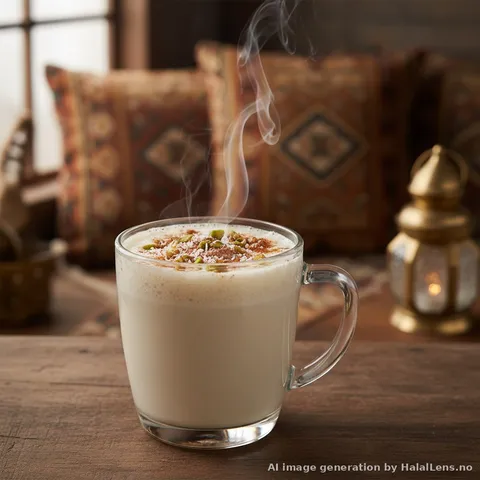
What Is Sahlab? The Ancient Orchid Drink
Sahlab (also spelled sahlep, salep, or sahlap) is a warming milk drink thickened with a powder ground from the dried tubers of wild orchids, primarily Orchis mascula and related species. The name comes from the Arabic khasyu ath-tha'lab — "fox testicles" — a reference to the paired tuber shape of the orchid plant.
For centuries, sahlab was sold in the streets of Ottoman Constantinople, Egyptian bazaars, and Levantine markets. It was prized not only for its delicate, slightly floral flavour and extraordinary silky texture, but also for its warming, nutritive properties. Today it remains a beloved cold-weather tradition in Turkey, Egypt, Lebanon, Palestine, Jordan, Syria, and the Arabian Gulf.
From a halal perspective, authentic sahlab contains no haram ingredients. The base is simply milk, orchid starch, sugar, and rose water — all completely permissible. Always verify your specific brand of sahlab powder, as some commercial blends add non-halal additives or flavourings.
Sahlab Ingredients — Everything You Need
For the Drink
- 500ml (2 cups) whole milk — Full-fat milk gives the richest, creamiest result. Plant-based milks (oat, almond) work but produce a thinner drink.
- 2 tablespoons sahlab powder (salep) — The essential thickener. Pure orchid root starch gives the authentic silky texture. Widely available in Middle Eastern grocery stores and online. If unavailable, see substitutes below.
- 2 tablespoons sugar — Adjust to your sweetness preference. White sugar, cane sugar, or a touch of honey all work.
- 1 teaspoon rose water — Adds the delicate floral aroma that defines sahlab. Use a good-quality, food-grade rose water.
- 1/4 teaspoon vanilla extract (alcohol-free) — Optional but enhances the sweetness. Ensure it is halal-certified, alcohol-free vanilla.
For the Toppings
- 1/2 teaspoon ground cinnamon — The classic topping. Essential.
- 2 tablespoons crushed pistachios — Adds a beautiful green colour and nutty crunch.
- 2 tablespoons desiccated coconut — Traditional topping in many regions, adding texture.
- Dried rose petals (optional) — For a beautiful, aromatic garnish.
Halal Ingredient Notes
All core sahlab ingredients are naturally halal. The main thing to verify is your sahlab powder — check that it does not contain alcohol-based flavourings or any non-halal emulsifiers. When shopping at Middle Eastern grocers, look for pure salep tozu (Turkish) or sahlab mix. Rose water should be a food-grade, non-alcoholic distillate. Vanilla should be labelled alcohol-free or halal-certified.
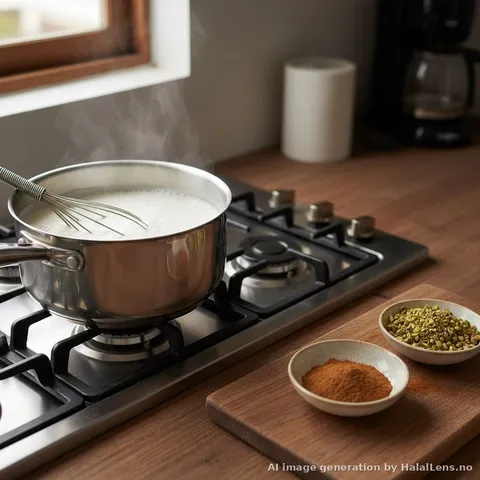
How to Make Sahlab — Step-by-Step
Step 1: Make the Slurry
Measure 4 tablespoons of cold milk from your total 500ml into a small cup or bowl. Add the sahlab powder and whisk vigorously until completely smooth with no lumps. This slurry step is critical — adding the powder directly to hot milk causes it to clump instantly, ruining the texture.
Step 2: Heat the Milk
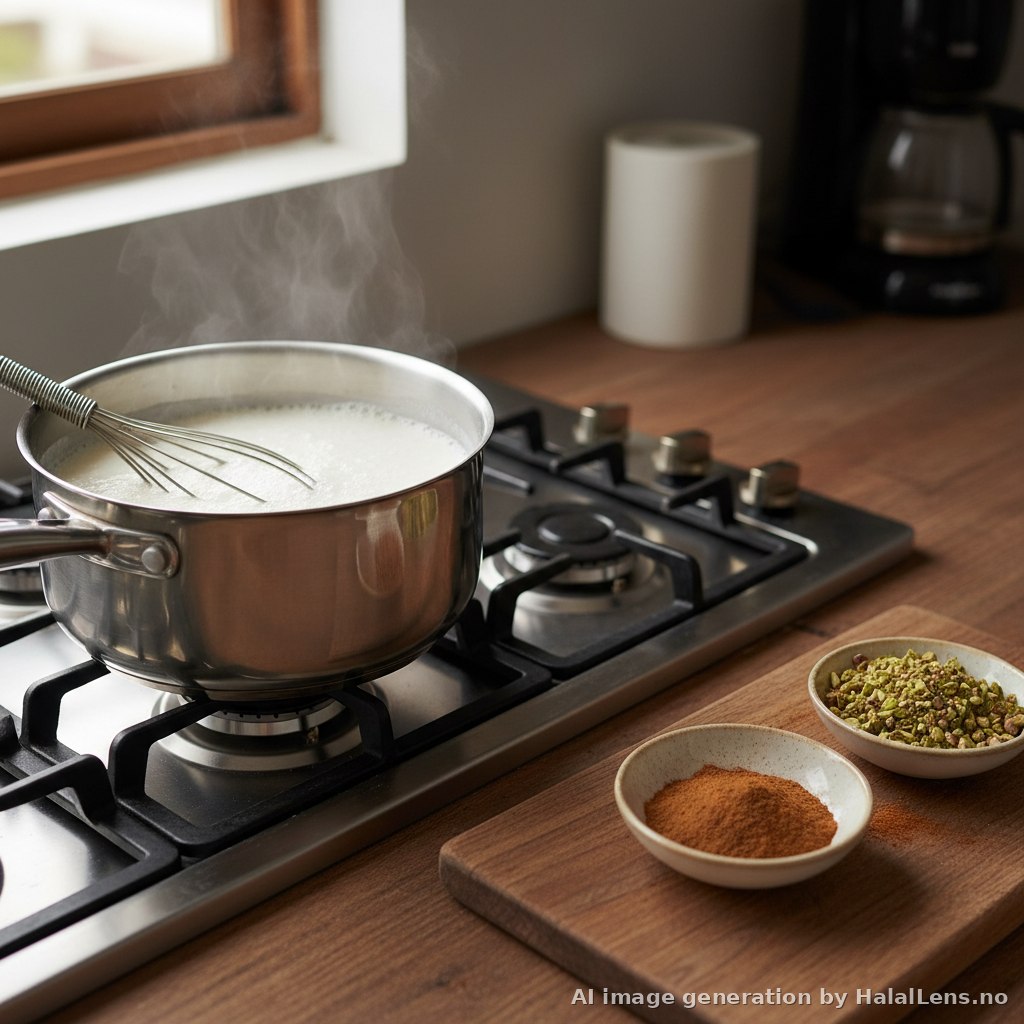
Pour the remaining milk into a small saucepan. Add the sugar and stir to combine. Place over medium heat. Stir gently and frequently as the milk heats. You want it to steam and be just below simmering — around 70–75°C (160–165°F) — but never boiling. Boiling milk creates a skin and can cause the drink to burn.
Step 3: Thicken the Sahlab
Pour the sahlab slurry into the hot milk in a slow, steady stream while whisking constantly with your other hand. Continue to stir over medium-low heat for 5–7 minutes. You will notice the drink gradually transforming — from thin white milk into a glossy, thick, custard-like liquid that clings to your spoon. Do not stop stirring or the bottom will scorch. The correct final consistency coats the back of a spoon and flows slowly.
Step 4: Add Rose Water and Vanilla
Once the desired thickness is reached, remove the pan from heat immediately. Stir in the rose water and vanilla extract. The fragrance will bloom beautifully in the hot liquid.
Step 5: Serve and Garnish
Pre-warm your ceramic cups or mugs by rinsing with hot water. Pour the sahlab in. Dust generously with ground cinnamon using a small sieve or spoon. Sprinkle crushed pistachios and desiccated coconut. Add a few rose petals if you have them. Serve immediately — sahlab thickens further as it cools.
Sahlab Powder Substitutes
Authentic sahlab powder can be hard to find outside the Middle East and Turkey. Here are halal-friendly alternatives:
- Cornstarch (cornflour) — The most accessible substitute. Use 1.5 tablespoons cornstarch per 500ml milk. Produces a similar thick, smooth texture, though with less of the earthy, slightly musky flavour of true salep.
- Arrowroot powder — A neutral-flavoured starch that mimics salep well. Use the same ratio as cornstarch.
- Rice flour — Slightly grainy but works in a pinch. Use 2 tablespoons per 500ml.
- Ready-made sahlab mix — Many Middle Eastern stores sell sweetened instant sahlab powder (mix of starch, sugar, coconut, and artificial flavour). Simply dissolve in hot milk. Check the label for halal certification.
Regional Variations of Sahlab
Egyptian Sahlab (سحلب مصري)
In Egypt, sahlab is often sweeter, frequently made with evaporated or condensed milk for extra richness. Street vendors in Cairo top it with raisins, chopped nuts, and cinnamon. Some vendors add a drizzle of sugar syrup.
Lebanese and Levantine Sahlab
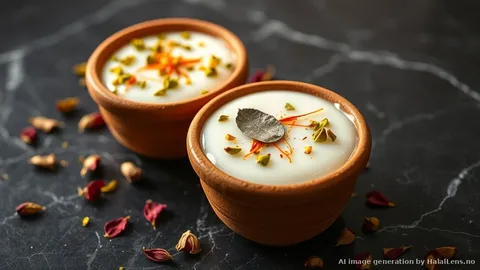
Lebanese-style sahlab tends to be more perfumed, with generous rose water and sometimes orange blossom water (ma'a zahar). The drink is often served in small clay cups, topped with crushed pistachios and a cloud of cinnamon.
Turkish Salep (Türk Salebi)
In Turkey, salep is the iconic winter street drink and was historically served across the Ottoman Empire. Turkish salep uses pure dried orchid tuber powder, is slightly less sweet than Arab versions, and is often topped simply with cinnamon. Salep is also a key ingredient in Turkish-style dondurma (stretchy ice cream).
Gulf-Style Sahlab
In the Arabian Gulf countries (Saudi Arabia, UAE, Kuwait), sahlab may include a pinch of ground mastic resin (mastic) for a distinctive piney, slightly resinous flavour, and sometimes a thread of saffron for golden colour and aroma.
Pro Tips for Perfect Sahlab
- Never stop stirring: Sahlab starch settles and burns on the bottom if left unattended. Keep stirring gently the entire time it is on the heat.
- Temperature matters: Too hot and the milk burns; too low and the starch won't activate properly. Aim for a gentle simmer (small bubbles at the edges, no rolling boil).
- Adjust thickness: For a thicker sahlab (dessert-like), increase the powder to 2.5–3 tablespoons. For a thinner, more drinkable consistency, use 1.5 tablespoons.
- Warm your cups: Sahlab cools and thickens quickly. Pre-warming cups extends the ideal drinking window.
- Fresh toppings: Add the toppings at the very last moment. Coconut and pistachios lose their crunch if they sit in the hot drink too long.
- Rose water quantity: Rose water can be overpowering. Start with 1/2 teaspoon, taste, and add more if you prefer a more floral drink.
- Storage: Sahlab is best consumed immediately. If you have leftovers, refrigerate and reheat gently, adding a splash of milk and stirring constantly — it will re-thicken beautifully.
Is Sahlab Halal? A Complete Guide
Traditional, authentic sahlab is 100% halal. Here's a breakdown of every ingredient:
| Ingredient | Halal Status | Notes |
|---|---|---|
| Whole milk | Halal | Naturally halal; ensure no haram additives in flavoured milks |
| Sahlab / salep powder | Halal (check label) | Pure orchid starch is halal; verify commercial blends for additives |
| Sugar | Halal | Pure cane or beet sugar is halal |
| Rose water | Halal | Food-grade rose water is halal; non-alcoholic distillation |
| Vanilla extract (alcohol-free) | Halal | Must be alcohol-free; avoid standard vanilla extract which contains alcohol |
| Ground cinnamon | Halal | Pure spice, naturally halal |
| Pistachios | Halal | Naturally halal nuts |
| Desiccated coconut | Halal | Naturally halal; check unsweetened varieties for additives |
The one ingredient to scrutinise is commercially prepared sahlab powder mixes, which sometimes include artificial flavourings or emulsifiers that may be derived from non-halal sources. When in doubt, choose pure sahlab or salep powder, or use cornstarch as a substitute.
Use the HalalLens app to scan any packaged sahlab product's ingredient list instantly and get a verified halal verdict.
Sahlab Nutrition (Per Serving)
One serving of sahlab made with whole milk, sugar, and standard toppings contains approximately:
- Calories: ~270–290 kcal
- Carbohydrates: ~40–45g (mainly from milk sugar and added sugar)
- Protein: ~8–10g (from milk)
- Fat: ~7–9g (from milk and pistachios)
- Calcium: ~300mg (~30% RDA)
Sahlab is a nourishing, energy-rich drink traditionally valued as a warming tonic in cold weather. The orchid starch provides easily digestible complex carbohydrates, and the milk delivers high-quality protein and calcium. To reduce sugar, cut the added sugar to 1 tablespoon or sweeten with a natural alternative like honey.
When and How to Serve Sahlab
Sahlab is quintessentially a winter drink — sold by street vendors in the cooler months from October through March. It is enjoyed:
- As a warming morning drink instead of coffee or tea
- As a late-night treat after a large dinner
- During Ramadan as a pre-dawn suhoor drink to sustain energy
- As a dessert-drink pairing with konafa, baklawa, or mamoul cookies
- At Middle Eastern cafes and Arabic sweets shops year-round
Serve in a small, ornate ceramic cup or glass mug. In Egypt and Lebanon, you'll often find vendors using tall glass mugs so you can see the creamy white drink topped with colourful pistachios and cinnamon. Pair with a piece of baklawa or a date for a complete Middle Eastern experience.
Sahlab FAQ
What does sahlab taste like?
Sahlab has a mildly sweet, creamy, slightly floral taste from the rose water, with an earthy undertone from the orchid starch. The texture is the real distinction: thicker and silkier than hot chocolate, with a gentle, comforting warmth. The cinnamon topping adds a spicy counterpoint to the sweetness.
Is sahlab the same as salep?
Yes. Sahlab (Arabic: سحلب) and salep (Turkish: salep) refer to the same drink and the same orchid root powder used to make it. Sahlep is another common spelling. The drink is called salab in some Gulf dialects. All versions are based on the same core ingredient — dried wild orchid tubers.
Can I make sahlab without sahlab powder?
Yes! Cornstarch is the best substitute, giving a very similar thick, creamy texture. Use 1.5 tablespoons of cornstarch per 500ml milk, made into a cold slurry first. The flavour will be slightly different (less earthy) but the drink is still delicious.
Can I make sahlab dairy-free?
Yes. Replace whole milk with oat milk (best for creaminess), almond milk, or coconut milk. Oat milk produces the closest texture to dairy sahlab. Coconut milk gives a richer, tropical twist that pairs beautifully with the cinnamon and pistachio toppings.
Where can I buy sahlab powder?
Sahlab powder (salep) is available at Middle Eastern grocery stores, Turkish supermarkets, and online retailers. Look for pure salep powder or blended sahlab mixes. Turkish brands like Özerlat and Ali Muhiddin Haci Bekir produce well-known versions. Always check for a halal certification on packaged mixes.
Is sahlab suitable for children?
Absolutely — sahlab contains no caffeine, alcohol, or stimulants, making it a wonderful warming drink for children. Reduce the sugar for younger palates and skip the rose water if desired. Many families in the Middle East serve it to children as a nourishing bedtime drink in winter.
Can I make sahlab in advance?
Sahlab is best served immediately as it continues to thicken as it cools. If making ahead, reheat gently over low heat with a splash of extra milk, stirring constantly until smooth and hot. Add fresh toppings just before serving.