Shakshuka — Eggs Poached in Spiced Tomato Sauce with Peppers and Cumin (Halal Recipe)
Authentic shakshuka recipe — eggs gently poached in a rich, spiced tomato sauce with bell peppers, onions, cumin, and paprika. A perfect halal suhoor dish for Ramadan, ready in 35 minutes.
Shakshuka is one of the most beloved dishes across North Africa and the Middle East — eggs gently poached in a rich, simmering sauce of tomatoes, red bell peppers, and onion, fragrant with cumin, paprika, and a whisper of heat. The name comes from the Arabic word meaning "a mixture" or "shaken together," and that is exactly how this dish comes together: simple ingredients stirred into something far greater than the sum of their parts. From the bustling markets of Tunis to the breakfast cafes of Tel Aviv to the suhoor tables of Cairo during Ramadan, shakshuka is the universal comfort food — nourishing, deeply flavored, and made for sharing straight from the skillet with warm, crusty bread.

The Story of Shakshuka
Shakshuka's origins are a matter of passionate debate across the Mediterranean. The dish is claimed by Tunisia, Libya, Morocco, Egypt, Yemen, and Israel alike — and in truth, it belongs to all of them. The most widely accepted theory traces shakshuka to Ottoman-era North Africa, where Berber and Arab cooks simmered tomatoes (newly arrived from the Americas) with peppers, spices, and eggs into a one-pan meal that could feed a family cheaply and quickly. From the Maghreb, it spread eastward across the Arab world and into the Levant, adapting to each kitchen it entered.
In Tunisia, shakshuka often includes harissa and merguez sausage, making it fiery and robust. In Morocco, it is sometimes called chakchouka and may feature preserved lemons or olives. Egyptian versions tend to be simpler — a straightforward tomato base with cumin and perhaps a touch of chili. In Israel, where North African Jewish immigrants brought the dish in the 1950s, shakshuka became a national breakfast staple, served in every cafe and home kitchen from morning to night. The Israeli version, popularized worldwide, tends to include bell peppers and a more herbal finish with cilantro or parsley.
During Ramadan, shakshuka holds a special place as a suhoor dish — the pre-dawn meal before the day's fast begins. The combination of protein-rich eggs and slow-digesting tomato sauce provides sustained energy throughout the fasting hours, while the warming spices aid digestion in the early morning. It is quick enough to prepare before dawn, hearty enough to sustain the body through a long day, and delicious enough that no one minds waking early to make it.
Shakshuka is the dish that proves great cooking needs nothing more than a good skillet, ripe tomatoes, a few eggs, and the patience to let the sauce simmer until it tells you it is ready.
Recipe Snapshot
| Servings | 3–4 |
| Prep time | 10 minutes |
| Cook time | 25 minutes |
| Total time | 35 minutes |
| Difficulty | Easy |
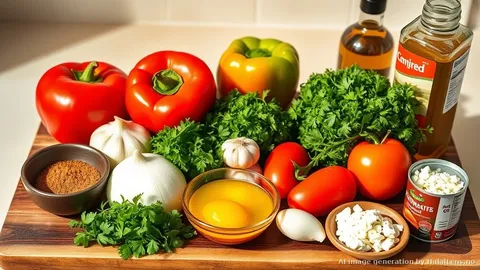
Ingredients
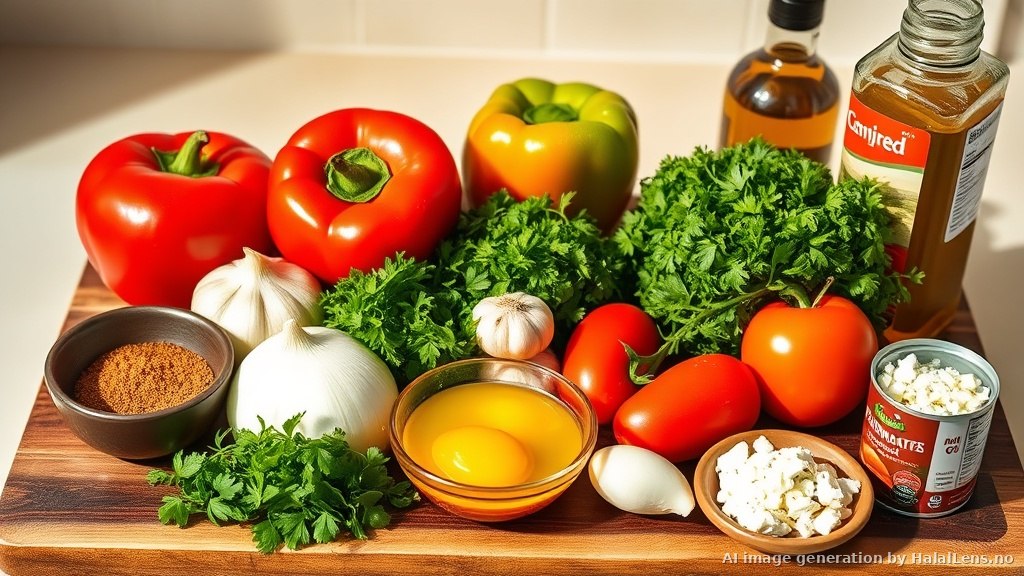
Tomato Sauce Base
- 2 tablespoons olive oil
- 1 large onion, finely diced
- 1 red bell pepper, seeded and diced
- 1 green bell pepper, seeded and diced (optional)
- 4 cloves garlic, minced
- 1 can (400 g / 14 oz) crushed tomatoes
- 2 tablespoons tomato paste
Spices
- 2 teaspoons ground cumin
- 2 teaspoons paprika (sweet or smoked)
- 1 teaspoon ground coriander
- 1/2 teaspoon red pepper flakes (adjust to taste)
- 1/2 teaspoon turmeric (optional)
- Salt and freshly ground black pepper to taste
Eggs and Finishing
- 6 large eggs
- Handful of fresh cilantro, chopped
- Handful of fresh parsley, chopped
- 50 g crumbled feta cheese (optional)
- 1 teaspoon harissa paste (optional, for extra heat)
For Serving
- Warm crusty bread, pita, or challah for dipping
- Extra olive oil for drizzling
Method
Step 1 — Build the Aromatic Base
Heat the olive oil in a large, deep skillet or cast iron pan over medium heat. Add the diced onion and cook for 4–5 minutes, stirring occasionally, until softened and translucent. Add the diced red bell pepper (and green bell pepper if using) and cook for another 3–4 minutes until the peppers begin to soften and their edges caramelize slightly. Add the minced garlic and stir for 30 seconds until fragrant — be careful not to let it burn.
Step 2 — Bloom the Spices
Add the cumin, paprika, coriander, red pepper flakes, and turmeric (if using). Stir everything together and cook for 1 minute — the spices should become deeply aromatic and coat the vegetables in a warm, fragrant layer. This step is essential: toasting the spices in the oil activates their essential oils and creates the complex, layered flavor that defines a great shakshuka. Add the harissa paste now if you want a North African-style heat.
Step 3 — Simmer the Tomato Sauce
Pour in the crushed tomatoes and add the tomato paste. Stir well to combine, scraping up any caramelized bits from the bottom of the pan. Season with salt and pepper. Bring the sauce to a gentle simmer, then reduce the heat to medium-low. Let the sauce cook uncovered for 8–10 minutes, stirring occasionally, until it thickens and reduces slightly. The sauce should be rich and concentrated but still saucy enough to poach the eggs — not a dry paste. Taste and adjust the seasoning; the sauce should be well-seasoned, slightly sweet from the tomatoes, and warming from the spices.
Step 4 — Poach the Eggs
Using the back of a spoon, create 6 evenly spaced wells in the sauce. Crack one egg into each well, being careful to keep the yolks intact. Season the eggs with a pinch of salt and pepper. Cover the skillet with a lid, reduce the heat to low, and cook for 5–8 minutes depending on how you like your eggs. For perfectly runny yolks with set whites — the ideal shakshuka egg — aim for 6 minutes. Check at 5 minutes: the whites should be opaque and fully set, while the yolks should still jiggle when you gently shake the pan. For firmer yolks, cook an additional 2–3 minutes.
Step 5 — Garnish and Serve
Remove the lid and scatter the chopped cilantro and parsley generously over the top. If using, crumble the feta cheese over the eggs and sauce — the salty, tangy feta melts slightly against the hot sauce and adds a creamy contrast. Drizzle with a final thread of olive oil. Serve the shakshuka immediately, straight from the skillet, with warm crusty bread for tearing and dipping into the sauce and breaking open those beautiful runny yolks.
Tips and Variations
- The sauce must be thick enough: The single most common shakshuka mistake is a sauce that is too thin. Watery sauce means the eggs slide around instead of nestling into wells, and the final dish lacks the concentrated, intense flavor that makes shakshuka special. Let the sauce reduce until a spoon dragged through it leaves a trail that slowly fills back in.
- Use a cast iron skillet: Cast iron retains heat evenly and goes straight from stove to table — which is exactly how shakshuka should be served. The heavy pan keeps the sauce bubbling gently even off the heat, continuing to cook the eggs to perfection as you carry it to the table.
- Green shakshuka: For a stunning variation, replace the tomato sauce with a base of sauteed spinach, Swiss chard, green peppers, and fresh herbs (the Israeli "shakshuka verde"). Season with cumin and coriander, add a splash of cream, and poach the eggs as usual. The result is lighter and herbaceous, perfect for spring and summer.
- Add merguez sausage: For a heartier, Tunisian-style shakshuka, crumble halal merguez sausage into the pan before adding the vegetables. The spiced lamb sausage renders its fat and infuses the entire sauce with smoky, peppery depth.
- Suhoor preparation tip: During Ramadan, prep the sauce the night before and refrigerate it. In the morning, simply reheat the sauce in the skillet over medium heat, make the wells, crack in the eggs, and cover. You will have a hot, nourishing suhoor in under 10 minutes.
- Baked shakshuka: If you prefer, you can finish the shakshuka in a 190°C (375°F) oven instead of on the stovetop. After adding the eggs, transfer the uncovered skillet to the oven and bake for 7–10 minutes. This method gives more even cooking and a slightly firmer set on the egg whites.
- Extra toppings: Beyond feta, try crumbled goat cheese, a swirl of tahini, a sprinkle of za'atar, diced avocado, or a drizzle of chili oil. Each addition brings a new dimension to the dish.
- Leftover sauce: The tomato base (without eggs) freezes beautifully for up to 3 months. Make a double batch and freeze portions in zip-lock bags. When you want shakshuka, thaw the sauce, reheat, and crack in fresh eggs — a 10-minute meal from frozen.
Halal Considerations
Shakshuka is inherently halal — every core ingredient is naturally permissible. A few items to verify when shopping:
- Eggs: Eggs are always halal regardless of source (chicken, duck, quail). No certification needed.
- Feta cheese: Some feta cheeses use animal rennet, which may be from non-halal sources. Look for feta made with microbial or vegetable rennet, or choose a halal-certified brand. Use HalalLens to scan the label and verify.
- Harissa paste: Authentic harissa (chili peppers, garlic, spices, olive oil) is halal. Some commercial brands may contain wine vinegar or non-halal additives — check the label.
- Bread for dipping: Standard crusty bread and pita are halal (flour, water, yeast, salt). Some artisan breads may contain wine, beer, or L-cysteine (E920) from non-halal sources — verify with the HalalLens scanner.
- All other ingredients (tomatoes, peppers, onions, garlic, olive oil, cumin, paprika, coriander, herbs, salt, pepper) are naturally halal with no concerns.
AI disclosure: This recipe article was written with AI assistance and reviewed for accuracy. Ingredient halal statuses are verified through the HalalLens database. Always check product labels for certification.