Trinidad Doubles: Curried Chickpea Bara Sandwich (Halal Street Food)
Trinidad's national street food: two turmeric-spiced fried breads sandwiching warm curried chickpeas. Naturally halal, born from Indo-Muslim heritage.
Doubles is Trinidad and Tobago's most beloved street food: two pillowy, turmeric-yellow fried breads called bara, sandwiching a warm, gently spiced curried chickpea filling known as channa, finished with a splash of tamarind, a smear of green mango kuchela, and as much (or as little) pepper sauce as you dare. It is breakfast, lunch, and 2am snack all at once — sold from handcarts on street corners across the island, wrapped in wax paper, and eaten standing up with your fingers. Doubles is also, quietly, one of the clearest edible monuments to Trinidad's Indo-Muslim heritage: a dish born from the ingenuity of indentured laborers who arrived with almost nothing but their spice tins and their recipes, and turned a handful of chickpeas and flour into a national icon.
The story of doubles is inseparable from the story of Indian indenture in the Caribbean. Between 1845 and 1917, more than 140,000 indentured laborers — many of them Muslim and Hindu — were brought from India to Trinidad to work the sugar estates after the abolition of slavery. They carried with them the culinary vocabulary of the Indian subcontinent: roti, dal, curry, and the technique of frying spiced dough. Chickpeas, known locally as channa, and turmeric-dusted fried bread were pantry staples long before they became a sandwich, and the community that shaped them into doubles was overwhelmingly the Indo-Trinidadian population descended from those laborers, both Hindu and Muslim.
The dish as we know it today has a specific, well-documented birthplace: Princes Town, in south Trinidad, in 1936. According to the most widely cited account, a couple named Emamool "Mamoo" Deen and his wife, Rasulan (sometimes recorded as Raheman Rasulan Ali), were selling curried channa spooned onto a single piece of fried bara. Customers kept asking for a second piece of bara to make the snack more substantial and easier to eat without spilling the filling — and "doubles" the bara, doubles the name, was born. The history compiled by Cooking with Ria, one of the most thorough English-language records of Trinidadian home cooking, traces this origin story in detail, and the Deen family has since been publicly honored in Princes Town for creating the dish.
An Indo-Muslim Street Food, Not a Curry-House Dish
It's worth being precise about what doubles is and is not. It is not the same dish as a curry roti wrap, and it is not a version of Indian chana bhatura, even though the DNA is visibly related. Doubles evolved specifically as vendor food — designed to be assembled fast, eaten one-handed, and sold cheaply from a cart, which is a very different culinary problem than a sit-down curry meal. The bara is thinner and more yeast-leavened than a typical bhatura, and the channa is cooked down softer and wetter, closer to a stew than a dry curry, so that it soaks into the bread rather than sitting on top of it. If your site or your own kitchen already has a recipe for chana masala or a stuffed roti, doubles is deliberately a different thing: a two-bread sandwich built around portability, not a plated curry.
Doubles also carries specific religious and communal texture. Because the founding families and the majority of doubles vendors historically came from Trinidad's Indo-Muslim and Indo-Hindu communities, the dish sits at an unusual crossroads: it is naturally vegetarian (making it automatically acceptable to Hindu customers who avoid meat) while also being entirely halal by default, since it contains no meat, no alcohol, and no animal-derived shortening in its traditional form. That dual accessibility is part of why doubles became genuinely pan-Trinidadian rather than staying within one community — Christian, Hindu, and Muslim Trinidadians all eat it, and it has been described by food writers, including the reporting on Indo-Trinidadian food history from The Juggernaut, as one of the few dishes that fully crossed those community lines during the 20th century.
By the 1970s, doubles had moved from a regional Princes Town specialty to an island-wide phenomenon, and it is now widely referred to as Trinidad and Tobago's national street food. It is sold everywhere from roadside carts in Curepe and St. James to airport kiosks, and the Trinidadian diaspora has carried it to Toronto, New York, and London, where "doubles shops" have become their own small culinary institution. Recognition has grown internationally too — food outlets have profiled the dish's rise, and outlets covering Trinidad's doubles going global have documented its spread well beyond the Caribbean.
Halal Adaptation Notes
This recipe requires essentially no halal adaptation, because the traditional Trinidadian preparation of doubles is already halal and vegetarian by default — no meat, no lard, no wine or alcohol-based extracts appear in any classic bara or channa recipe. The one place a home cook should pay attention is store-bought curry powder blends and pre-made pepper sauces, which occasionally contain undeclared alcohol-based flavor carriers or non-halal-certified stabilizers; this recipe uses whole spices (turmeric, cumin, garlic) built from scratch so there is nothing to double-check. If you buy tamarind concentrate or a jar of mango kuchela instead of making your own, glance at the ingredient label for gelatin-based stabilizers, which occasionally appear in commercial condiment lines — plain tamarind pulp and standard kuchela recipes do not use them, but it costs nothing to check.
Recipe Snapshot
| Yield | 8 doubles (serves 4) |
|---|---|
| Prep time | 25 minutes, plus 90 minutes dough rising and overnight chickpea soak |
| Cook/Bake time | 45 minutes |
| Total time | About 2.5 hours active, plus overnight soak |
| Cuisine | Trinidadian (Indo-Caribbean) |
Ingredients
Doubles is built from two components made separately and assembled at the table: the bara (fried, turmeric-spiced flatbread) and the channa (curried chickpeas). Both are naturally halal and vegetarian.
For the Bara (Fried Bread)
|
All-purpose flour
2 cups (250g)
|
— |

|
Turmeric
1 teaspoon, ground
|
HALAL |
|
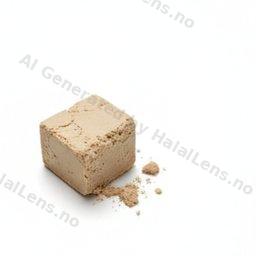
Active dry yeast
1 teaspoon
|
HALAL |
|
Ground cumin (geera)
1/2 teaspoon
|
— |
|
Sugar, salt, warm water
1 tsp sugar, 3/4 tsp salt, 3/4 cup warm water
|
— |
|
Neutral vegetable oil, for frying
2-3 cups, for deep frying
|
— |
For the Channa (Curried Chickpeas)
|
Dried chickpeas (kabuli channa)
1.5 cups, soaked overnight (or 2 cans, drained)
|
— |
|
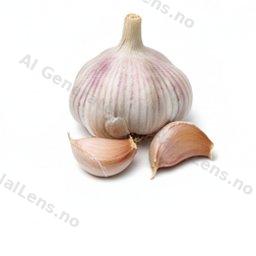
Garlic
4 cloves, minced
|
HALAL |
|
|
Turmeric
1 teaspoon, ground
|
HALAL |
|
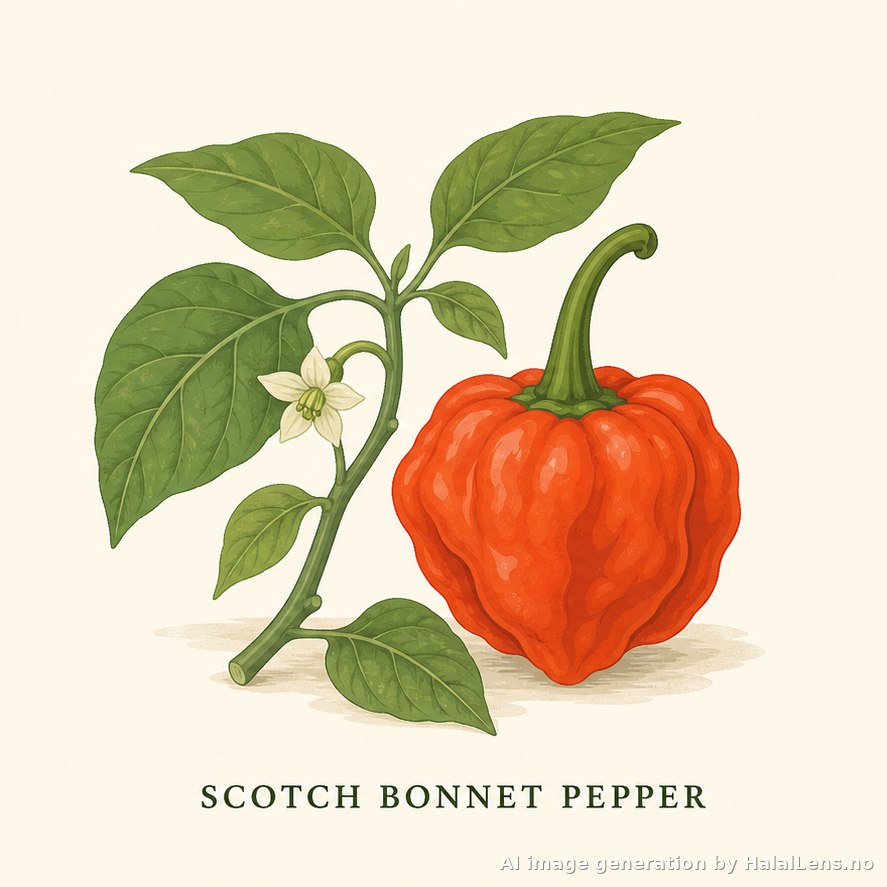
Scotch bonnet pepper
1/2, whole (do not pierce, for aroma only) or minced to taste
|
HALAL |
|
Baking soda
1/4 teaspoon, added to the soak water to soften chickpeas
|
HALAL |
|
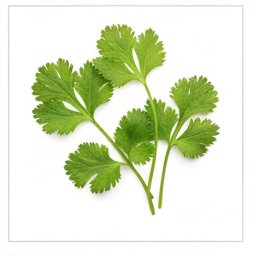
Cilantro / culantro (bandhania)
2 tablespoons, finely chopped
|
HALAL |
|
Ground cumin, salt, vegetable oil
1 tsp cumin, salt to taste, 2 tbsp oil for tempering
|
— |
For Serving
|
Tamarind sauce, mango kuchela, pepper sauce
To taste, homemade or store-bought
|
— |
Method
- Soak the chickpeas. The night before, cover the dried chickpeas with plenty of water and let them soak at room temperature for at least 8 hours, or overnight. Drain and rinse before cooking. (If using canned chickpeas, skip this step and go straight to simmering.)
- Make the bara dough. In a large bowl, whisk together the flour, turmeric, cumin, and salt. In a small bowl, dissolve the sugar in the warm water, sprinkle the yeast on top, and let it sit for 5-10 minutes until it foams. Pour the yeast mixture into the flour mixture and stir until a soft, slightly sticky dough forms — it should be looser than bread dough, closer to a thick pancake batter that can still be shaped by hand.
- Let the dough rise. Cover the bowl with a damp cloth and set it in a warm spot for 60-90 minutes, until the dough has roughly doubled in volume and looks bubbly on top.
- Cook the chickpeas. While the dough rises, place the soaked chickpeas in a pot, cover with fresh water by about 2 inches, and add the baking soda. Bring to a boil, then reduce to a simmer and cook for 35-45 minutes, until the chickpeas are very soft and starting to break down slightly — this soft, almost-mashed texture is what lets the channa soak into the bara rather than roll out of it.
- Season the channa. Once the chickpeas are tender, drain most of the cooking liquid but reserve about 1/2 cup. Heat the 2 tablespoons of oil in a separate pan, add the minced garlic and cumin, and cook for 30 seconds until fragrant. Stir in the drained chickpeas along with the reserved cooking liquid, the whole scotch bonnet pepper (kept intact so it perfumes the dish without making it fiery — remove before serving, or mince a small piece if you want real heat), and salt to taste. Simmer for 10 minutes, mashing a portion of the chickpeas lightly with the back of a spoon to thicken the mixture into a soft, stew-like consistency. Stir in the chopped cilantro just before removing from heat.
- Shape and fry the bara. Heat 2-3 inches of oil in a deep, heavy pot to 350°F (175°C). With wet or lightly oiled hands, take a golf-ball-sized portion of the risen dough and pat it out into a thin, roughly 4-inch round directly in your palm — it should be thin enough to see light through in spots. Carefully slide it into the hot oil.
- Fry until puffed. Fry the bara for about 30-45 seconds per side, spooning hot oil over the top as it cooks to help it puff, until it's a light golden yellow with a few darker freckled spots — traditional bara is pale, not deeply browned. Remove with a slotted spoon and drain on paper towels. Repeat with the remaining dough, keeping finished bara loosely covered so they stay soft and pliable.
- Assemble the doubles. Lay one bara flat, spoon a generous portion of warm channa into the center, and top with a second bara. Finish with a drizzle of tamarind sauce, a smear of mango kuchela, and pepper sauce to taste. Serve immediately, wrapped in wax paper if you want the authentic street-cart presentation, and eat with your hands.
Tips & Variations
- Texture is everything. If your channa is too dry, the doubles will fall apart when you bite in; if it's too watery, it will soak straight through the bara. Aim for a texture closer to a thick chickpea stew than a dry curry — you should be able to mound a spoonful without it running.
- Don't skip the baking soda. It's a traditional trick that softens the chickpea skins and shortens cooking time significantly. A pinch is enough — too much will give the chickpeas a slightly soapy taste.
- Keep the bara pale. Trinidadian bara is meant to be soft and lightly golden, not crisp and deep brown like a puri. Frying at a slightly lower temperature (around 325-350°F) and pulling it early gives the right chew.
- Make your own kuchela if you can. Traditional green mango kuchela (grated unripe mango fermented briefly with amchar masala, garlic, and oil) adds a tangy, funky counterpoint that store-bought tamarind sauce alone can't replicate. It keeps well refrigerated for weeks.
- Heat is optional and adjustable. Traditional doubles can range from mild to blisteringly hot depending on the vendor. Keeping the scotch bonnet whole and intact in the channa gives background aroma without much heat; mincing even a small piece raises the intensity considerably, so start conservatively.
- This is not the same dish as curry roti or chana masala. If you're looking for a plated curry to serve over rice, use a dedicated chana masala recipe instead — doubles is specifically the handheld, vendor-style sandwich format, and the channa here is cooked softer and wetter than a typical dry curry for that reason.
AI disclosure: This recipe article was drafted with AI assistance and reviewed by HalalLens for accuracy and halal compliance.