Restaurant halal questions are rarely answered by one menu label. With a chain like Chili's, Muslim diners are really asking a bigger question: can I trust the meat, the sauces, the prep process, and the location I am visiting, or do I need to treat it as a standard mainstream restaurant with limited safe options? A practical restaurant guide for Muslims asking whether Chili's is halal, what menu items raise concerns, and how to make safer choices when dining out.
A chain restaurant answer is not just about whether one item contains chicken or beef. It is about sourcing, certification, cross-contact, marinades, grill practices, shared fryers, alcohol in sauces, and local franchise differences. That is why 'Is Chili's halal?' gets searched even by people who already know how to read a supermarket label. Many restaurant questions fall apart because people expect a universal yes or no from a brand that operates across different markets. A branch in one country may have a Muslim-friendly sourcing policy, while another location in another market may not. The safest answer has to make room for that variation.
Search Console is already showing real visibility for this topic, which means the problem is not whether people care. The problem is that many current snippets and ingredient pages do not answer the shopper's question in a complete way. This guide is built to close that gap with a calmer, more practical explanation that works in a supermarket aisle, not only in a technical glossary.
What Chili's Means In Practice
A chain restaurant answer is not just about whether one item contains chicken or beef. It is about sourcing, certification, cross-contact, marinades, grill practices, shared fryers, alcohol in sauces, and local franchise differences. That is why 'Is Chili's halal?' gets searched even by people who already know how to read a supermarket label.
Many restaurant questions fall apart because people expect a universal yes or no from a brand that operates across different markets. A branch in one country may have a Muslim-friendly sourcing policy, while another location in another market may not. The safest answer has to make room for that variation.
| Ingredient | Current HalalLens Status | Reference |
|---|---|---|
| Restaurant policy and sourcing | Unknown | Needs location-specific confirmation |
Where Muslims Usually Run Into This Question
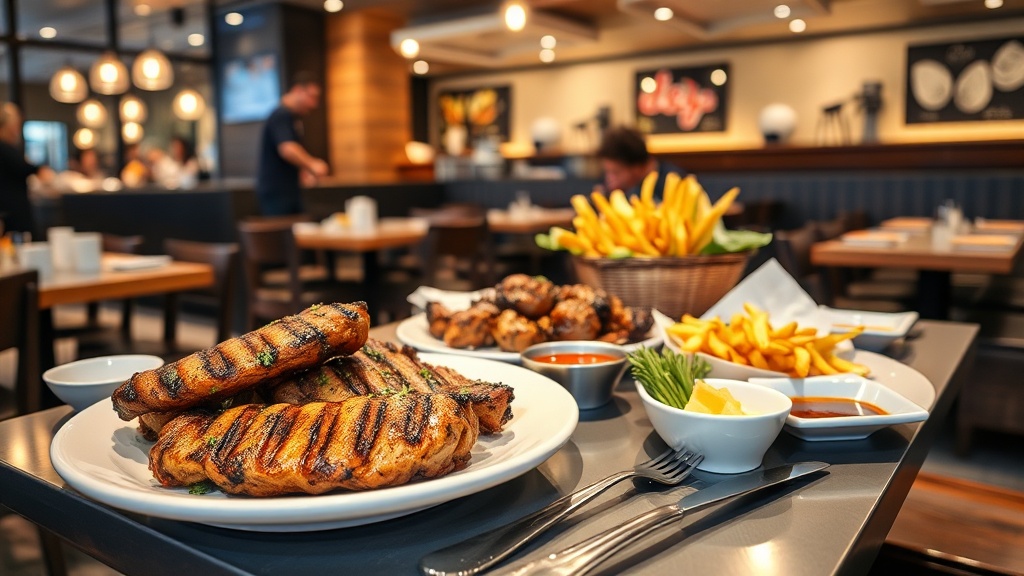
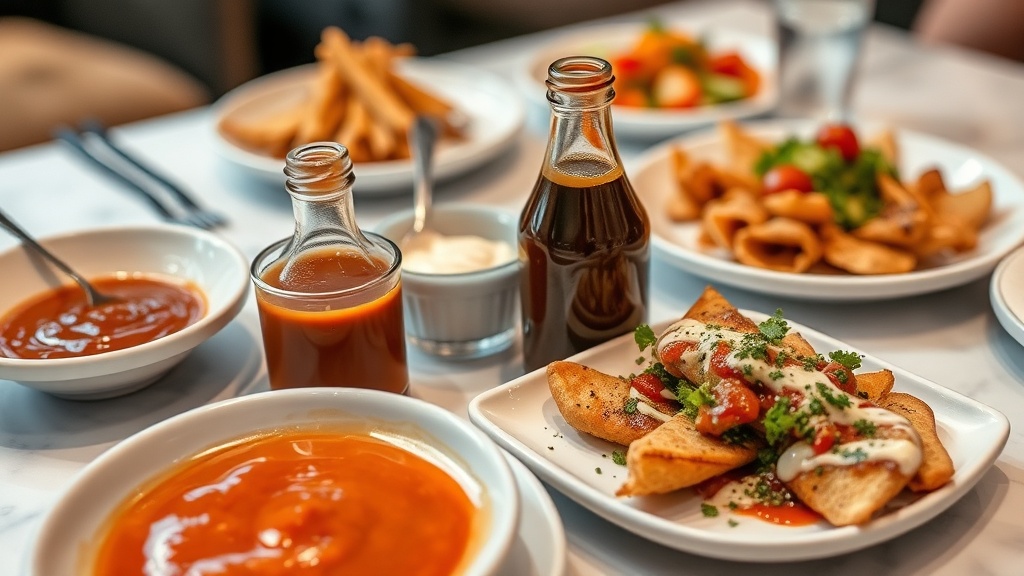
Even when the meat itself looks ordinary, restaurant risk often hides in glazes, marinades, burger sauces, dessert flavorings, and kitchen handling. That is why a Muslim diner should think beyond the headline menu item and ask what touches the food before it reaches the table.
This is why a one-word halal answer rarely feels satisfying. The same ingredient can appear inside a clean, transparent product or inside a formula packed with flavorings, stabilizers, and source-sensitive additives. Muslim consumers are usually reacting to that uncertainty rather than to the code or product name itself.
| Where You See It | How Common | What To Check |
|---|---|---|
| Certified halal outlet | Best case | Still ask about sauces and prep if the policy is unclear. |
| No certification but verbal reassurance | Weak evidence | Treat cautiously unless the details are solid. |
| Shared grill and shared fryers | Higher concern | Cross-contact risk becomes significant. |
| Packaged bottled sauce from the brand | Check separately | A scan can answer questions the menu cannot. |
For deeper background, see hidden haram ingredients a complete guide to what muslim consumers need to know.
For deeper background, see is this ingredient halal guide.
For deeper background, see 10 best halal food app.
How To Make A Practical Halal Decision
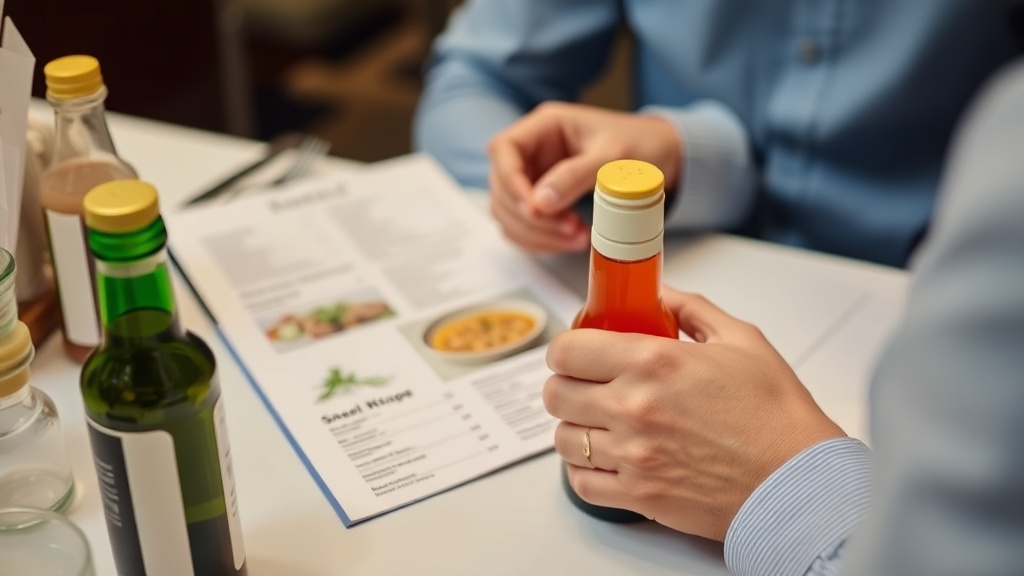
The practical restaurant habit is to look for explicit certification, clear regional policy, or staff confirmation that actually answers the right question. If none of that exists, the diner should shift from 'Is the brand halal?' to 'What is the safest realistic choice here, if any?'
A useful routine is simple. Start with the product type. Then read the whole label, not just the headline ingredient. Then check whether the item is dealing with a direct haram source, a mushbooh source question, or a functional additive that is usually less serious than shoppers fear. That small shift in method helps you spend your caution where it matters most.
This is also the moment where HalalLens becomes genuinely practical instead of theoretical. You can scan the ingredient list, catch the surrounding additives people often miss, and compare the product you are holding with the ingredient-level guidance already in the database. That is faster than opening five browser tabs and safer than relying on random forum answers.
Common Questions
Can a global chain be halal in one country and not halal in another?
Yes. Brand familiarity does not create a universal halal ruling across markets.
Is grilled chicken automatically the safest choice?
Not necessarily. Marinades, sauces, and shared prep surfaces still matter.
What is the strongest sign that a restaurant location is genuinely halal-friendly?
Clear certification or explicit sourcing information that is consistent and verifiable.
Key Takeaways
- ✓Chili's should be judged in context, not by fear of an unfamiliar label alone.
- ✓The current HalalLens database view for the lead item is UNKNOWN, but product-level context still matters.
- ✓A short ingredient list is easier to trust than a heavily processed product with multiple vague additives.
- ✓Use HalalLens to check bottled sauces, marinades, and take-home ingredients before ordering again.
Scan Ingredients Instantly
Use HalalLens to check bottled sauces, marinades, and take-home ingredients before ordering again.
Try HalalLens FreeDisclaimer: This article is for educational purposes. Always consult qualified Islamic scholars for religious rulings and product-specific decisions.