E-number labels often look more suspicious than they really are. E622 is a good example, because shoppers see a code, not a familiar food term, and assume the worst before they know what it does. A practical Muslim guide to E622, where it appears, why it is usually treated as halal, and what to check before buying processed foods.
E622 is monopotassium glutamate, a flavor enhancer related to the same family as MSG. In practical food manufacturing terms, it is used to intensify savory taste in soups, noodles, seasonings, and snack coatings rather than to add a recognizable flavor of its own. Muslim consumers usually worry about two separate issues here. The first is the word glutamate, which sounds chemical and unfamiliar. The second is the broader assumption that flavor enhancers might come from doubtful animal sources. In many cases, the real question is not whether the additive sounds strange, but how it is produced and whether the finished ingredient contains a haram source.
Search Console is already showing real visibility for this topic, which means the problem is not whether people care. The problem is that many current snippets and ingredient pages do not answer the shopper's question in a complete way. This guide is built to close that gap with a calmer, more practical explanation that works in a supermarket aisle, not only in a technical glossary.
What E622 Means In Practice
E622 is monopotassium glutamate, a flavor enhancer related to the same family as MSG. In practical food manufacturing terms, it is used to intensify savory taste in soups, noodles, seasonings, and snack coatings rather than to add a recognizable flavor of its own.
Muslim consumers usually worry about two separate issues here. The first is the word glutamate, which sounds chemical and unfamiliar. The second is the broader assumption that flavor enhancers might come from doubtful animal sources. In many cases, the real question is not whether the additive sounds strange, but how it is produced and whether the finished ingredient contains a haram source.
| Ingredient | Current HalalLens Status | Reference |
|---|---|---|
| e622 | Halal | e622 |
Where Muslims Usually Run Into This Question
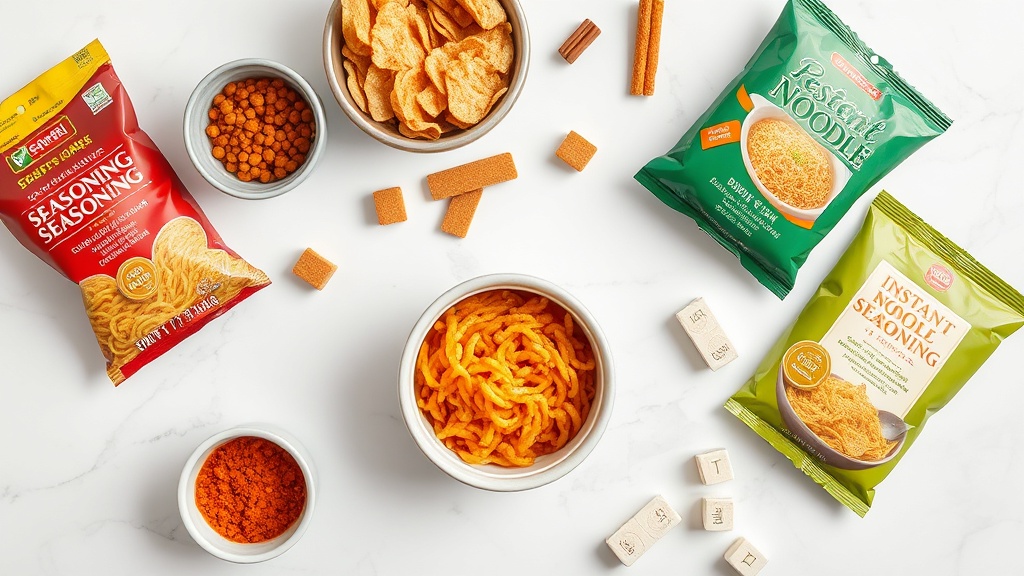
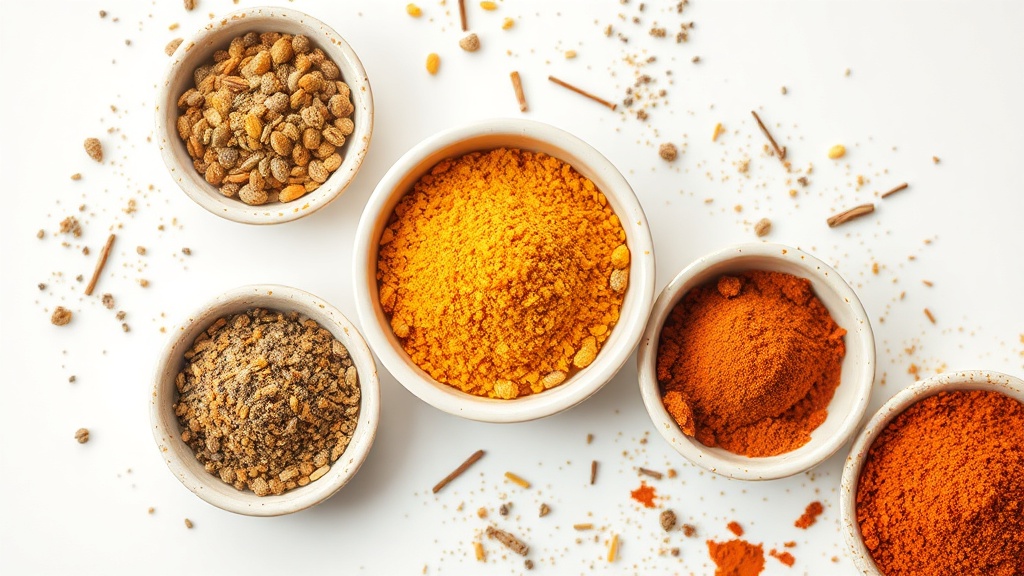
You are most likely to find E622 in instant noodle sachets, savory chips, spice rubs, bouillon powders, and heavily seasoned convenience foods. It can also appear alongside other enhancers such as E621, E627, and E631, which changes how cautious a Muslim shopper may want to be with the full product, even when E622 itself is not the main problem.
This is why a one-word halal answer rarely feels satisfying. The same ingredient can appear inside a clean, transparent product or inside a formula packed with flavorings, stabilizers, and source-sensitive additives. Muslim consumers are usually reacting to that uncertainty rather than to the code or product name itself.
| Where You See It | How Common | What To Check |
|---|---|---|
| Instant noodle seasoning | Common | Check the whole sachet because flavor enhancers often appear in groups. |
| Savory chips and crackers | Common | Look at accompanying flavorings and meat-style seasonings. |
| Soup cubes and bouillon | Very common | Watch for E627, E631, and unclear stock flavors. |
| Plant-based spice mix | Occasional | Usually lower concern when the rest of the label is simple. |
For deeper background, see e622.
For deeper background, see e nummer.
For deeper background, see complete guide to halal e numbers.
How To Make A Practical Halal Decision
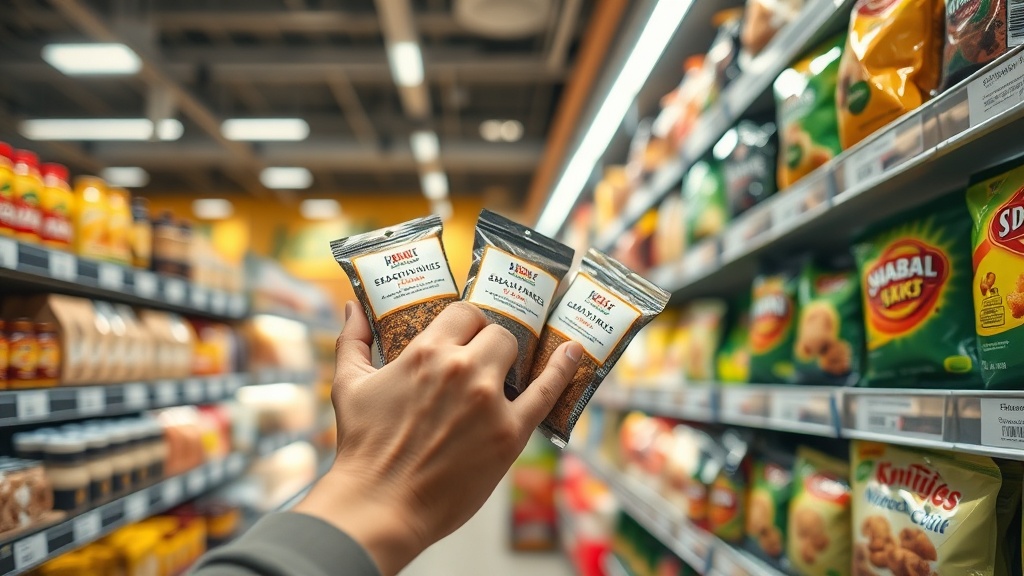
A sensible halal decision starts with the whole label, not one code in isolation. If E622 appears in a product that is otherwise straightforward, such as a plant-based seasoning mix with clear ingredients, the risk is different from a highly processed meat snack with several doubtful additives and unclear flavorings.
A useful routine is simple. Start with the product type. Then read the whole label, not just the headline ingredient. Then check whether the item is dealing with a direct haram source, a mushbooh source question, or a functional additive that is usually less serious than shoppers fear. That small shift in method helps you spend your caution where it matters most.
This is also the moment where HalalLens becomes genuinely practical instead of theoretical. You can scan the ingredient list, catch the surrounding additives people often miss, and compare the product you are holding with the ingredient-level guidance already in the database. That is faster than opening five browser tabs and safer than relying on random forum answers.
Common Questions
Is E622 the same thing as MSG?
Not exactly, but it belongs to the same flavor-enhancer family. The practical halal question is similar: how it was produced and what other additives appear with it on the label.
Why does HalalLens treat E622 as halal in the ingredient database?
Because the ingredient itself is generally treated as halal based on how it is normally manufactured, while still leaving room for product-level caution when the surrounding ingredient list raises separate issues.
Should I avoid every product that contains E622?
No. It makes more sense to judge the whole ingredient list, the product category, and whether other doubtful additives or vague flavors are also present.
Key Takeaways
- ✓E622 should be judged in context, not by fear of an unfamiliar label alone.
- ✓The current HalalLens database view for the lead item is HALAL, but product-level context still matters.
- ✓A short ingredient list is easier to trust than a heavily processed product with multiple vague additives.
- ✓Use HalalLens to scan instant noodles, chips, and seasoning packets in seconds.
Scan Ingredients Instantly
Use HalalLens to scan instant noodles, chips, and seasoning packets in seconds.
Try HalalLens FreeDisclaimer: This article is for educational purposes. Always consult qualified Islamic scholars for religious rulings and product-specific decisions.