Soy sauce is the backbone of so much East and Southeast Asian cooking that avoiding it altogether is no fun at all. Yet it is also one of the most debated condiments in halal kitchens, and for a good reason: the traditional brewing process naturally creates alcohol. Whether that makes a particular bottle halal comes down to a distinction that is easy to grasp once it is spelled out, the difference between alcohol that forms on its own and alcohol that is deliberately added.
Quick answer: It depends on the bottle. Naturally brewed soy sauce contains a trace of alcohol from fermentation, which most scholars accept. Bottles that list added alcohol or ethanol are the ones many Muslims avoid. Halal-certified and chemically produced soy sauces sidestep the issue.
How soy sauce is made
Traditional soy sauce is a fermented food. Soybeans and roasted wheat are inoculated with a koji mould, then left in a salty brine to ferment for months. During that time, microbes break down the proteins and starches into the deep, savoury flavour soy sauce is famous for, and as a byproduct they produce a small amount of alcohol. This is the same kind of incidental fermentation that occurs in bread and ripe fruit, and the resulting trace is generally regarded as acceptable because it is not added and is not intoxicating in the finished product.
Our overview of brewed soy sauce explains how this fermentation works in more detail. The key point is that brewing alone does not make a sauce impermissible in the view of most scholars. The complication arrives at the bottling stage.
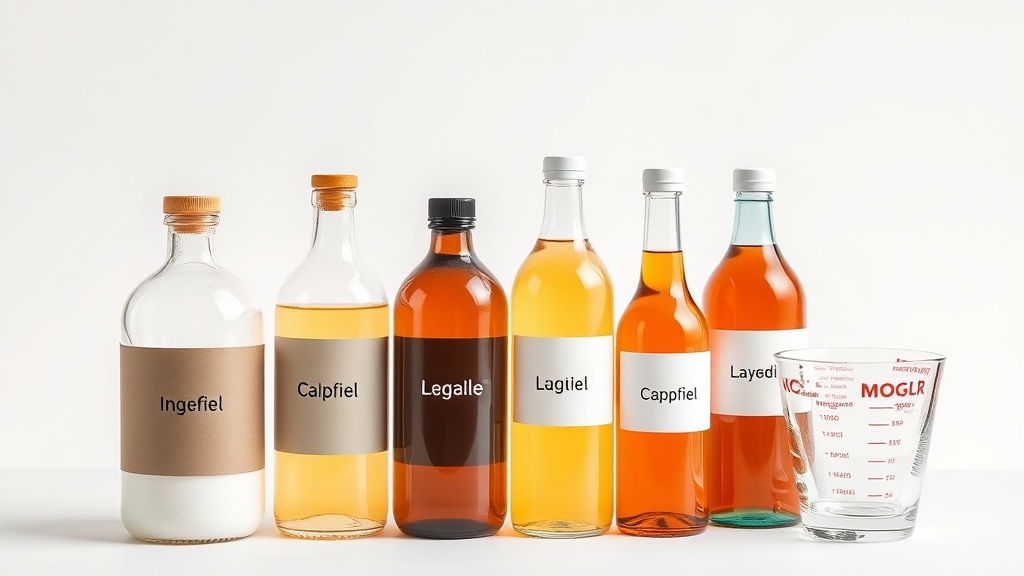
Added alcohol: the dividing line
Many commercial soy sauces, particularly Japanese-style shoyu, have alcohol added at the end as a preservative and to stabilise flavour. When a label lists "alcohol," ethanol or the Japanese term for it, that is deliberately introduced alcohol rather than a fermentation trace, and that is the version a large number of Muslims choose to avoid. The same principle we cover in our guide to cane alcohol applies here: added intoxicants and incidental byproducts are judged differently.
Chinese-style soy sauces, including many dark soy sauce products, often do not add alcohol, relying instead on caramel and longer cooking for colour and body. Chemically produced soy sauce, made by acid hydrolysis rather than fermentation, skips alcohol entirely, though it can carry other additives worth a glance. And a growing number of brands now carry halal certification, which guarantees no added alcohol and takes the guesswork off the table.
| Soy sauce type | Alcohol situation | Halal status |
|---|---|---|
| Halal-certified | No added alcohol | Halal |
| Brewed, no added alcohol | Fermentation trace only | Widely accepted |
| Chinese dark / light (no alcohol listed) | Usually none added | Generally halal |
| Japanese shoyu with added alcohol | Ethanol added | Many avoid |
| Chemically produced (hydrolysed) | No fermentation, no alcohol | Halal |
Choosing a bottle you trust
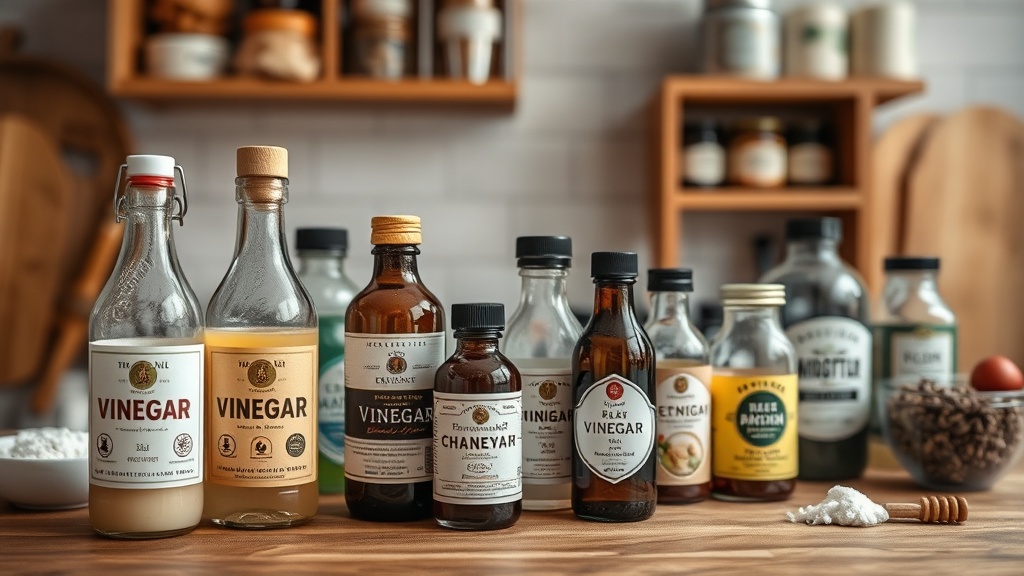
In practice, the easiest path is to look for a halal mark or a bottle whose label does not list added alcohol. Tamari, a wheat-free Japanese soy sauce, is often produced without added alcohol and can be a good option, though it should still be checked. The same care extends to dishes built around soy sauce, like sushi and Japanese set meals, where the dipping sauce and seasonings matter as much as the main ingredient. Our guide to matcha, wasabi and miso covers the wider Japanese pantry in the same spirit.
Tamari, teriyaki and the soy sauce family
Soy sauce has a whole family of relatives, and they do not all behave the same way. Tamari, the wheat-free Japanese cousin, is often brewed with little or no added alcohol and is a useful pick for both halal and gluten-free needs, though it should still be checked. Teriyaki sauce is a different story: it is typically soy sauce combined with mirin or sake, so it frequently contains added alcohol and is one to scrutinise. Ponzu, a citrus-soy blend, sometimes includes a splash of rice wine as well. The lesson is that a sauce built on soy sauce can inherit added alcohol even when the base soy sauce would have been fine.
Light and low-sodium variants follow the same rules as their standard versions; reducing salt does not change the alcohol question one way or the other. The table below maps the wider family so you know which relatives to trust and which to inspect.
| Sauce | Usual make-up | Halal status |
|---|---|---|
| Tamari | Wheat-free, often no added alcohol | Usually halal |
| Teriyaki | Soy sauce plus mirin / sake | Usually avoid |
| Ponzu | Citrus, soy, sometimes rice wine | Check |
| Light / low-sodium soy | Same as standard, less salt | Check added alcohol |
Whichever side of the trace-alcohol debate you personally follow, the practical advice converges on the same habit: read the bottle. If your standard is to avoid only deliberately added alcohol, you are looking for the words ethanol or alcohol on the list. If your standard is stricter, a halal-certified or chemically produced soy sauce removes even the fermentation trace. Either way, the decision is yours to make once the label tells you what is actually in the bottle, and that is the whole point, knowing rather than guessing.
Key Takeaways
- ✓Trace alcohol from natural fermentation is accepted by most scholars; added alcohol is the dividing line.
- ✓Japanese shoyu often lists added ethanol; many Muslims avoid those bottles.
- ✓Chinese dark and light soy sauces and chemically produced versions usually have no added alcohol.
- ✓A halal mark, or a label with no added alcohol, is the safest choice.
Does that bottle have added alcohol?
HalalLens scans the label and flags added ethanol and other concerns instantly, so you can pick a soy sauce that fits your standards every time.
Try HalalLens FreeDisclaimer: This article is for educational purposes and was prepared with AI assistance and human review. Ingredient sourcing and rulings can vary between manufacturers and scholars; always consult qualified Islamic scholars for religious rulings and check current product labels.