For the 1.8 billion Muslims worldwide, the question "Is this halal?" is not merely about dietary preference. It is a matter of faith, identity, and daily practice. Whether you are a lifelong Muslim working through modern food manufacturing or someone newly exploring halal dietary laws, understanding what makes food halal matters in today's complex food landscape.
What Does Halal Actually Mean?
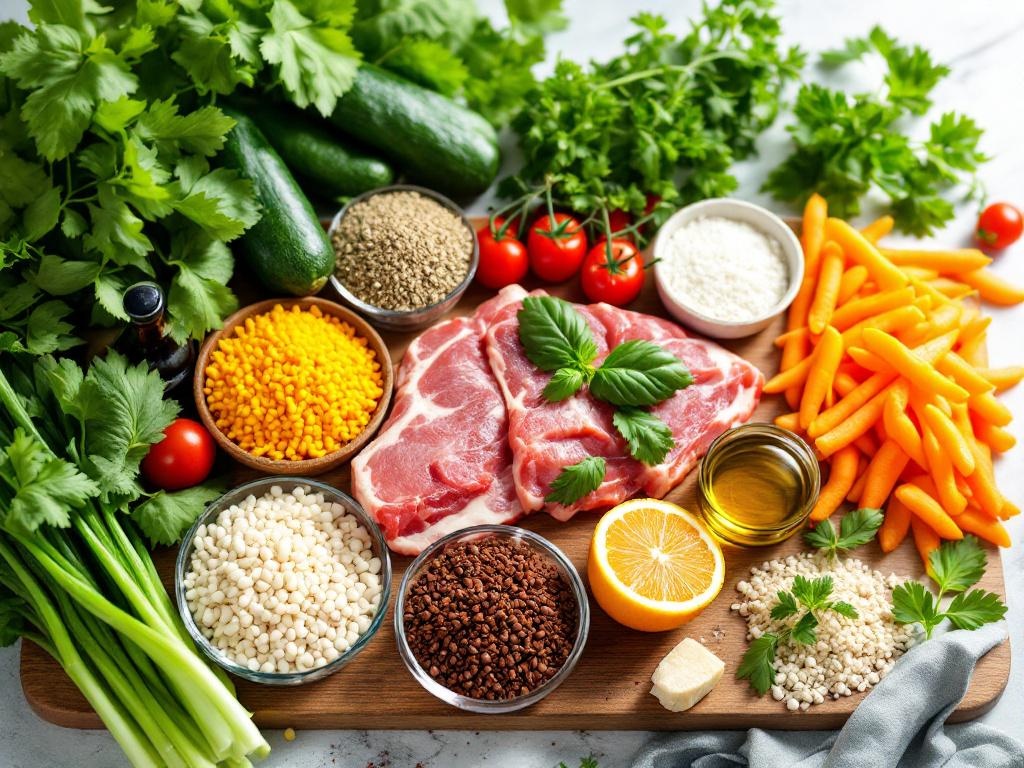
The Arabic word "halal" translates to "permissible" or "lawful." In the context of food, halal refers to anything that Islamic law permits Muslims to consume. The opposite term, "haram," means forbidden. However, the halal food system is not simply a binary classification. There is also a middle category called "mushbooh" (doubtful), which applies to ingredients whose halal status cannot be determined without knowing their source.
Islamic dietary laws derive primarily from the Quran and the Hadith (sayings and practices of Prophet Muhammad). These sources establish clear guidelines: pork and its derivatives are strictly forbidden, animals must be slaughtered according to Islamic principles (zabiha), and intoxicants including alcohol are prohibited. While these core principles are straightforward, modern food manufacturing has introduced thousands of ingredients that require careful analysis.
Common Ingredients: Is This Halal?
Modern processed foods contain numerous additives, emulsifiers, and flavorings that often raise questions about their halal status. Below are some of the most frequently questioned ingredients and why their status may vary.
Gelatin: The Most Common Concern
Gelatin appears in countless products from gummy candies to yogurt, and it represents one of the most significant concerns for halal consumers. This protein is typically derived from animal bones, skin, and connective tissues. The question is which animal it came from. Gelatin from pigs is always haram, while gelatin from halal-slaughtered cattle or fish is permissible. Unfortunately, most food labels simply state "gelatin" without specifying the source, making the ingredient mushbooh (doubtful) by default.
E471: The Hidden Emulsifier
You will find E471 (mono- and diglycerides of fatty acids) in bread, ice cream, margarine, and baked goods. This emulsifier can be derived from either animal fats or vegetable oils. When sourced from plants like soy or palm, E471 is halal. When derived from animal fat, particularly pork, it becomes haram. The challenge is that manufacturers rarely specify the source, leaving consumers uncertain.
| Ingredient | Status | Reason |
|---|---|---|
| Gelatin (unspecified) | Mushbooh | Source unknown, could be pork or beef |
| Fish Gelatin | Halal | Fish is inherently halal |
| E471 (plant-based) | Halal | Derived from vegetable oils |
| E471 (animal-based) | Mushbooh | May be from pork fat |
| Lard | Haram | Pork fat, always forbidden |
Vanilla Extract: The Alcohol Question
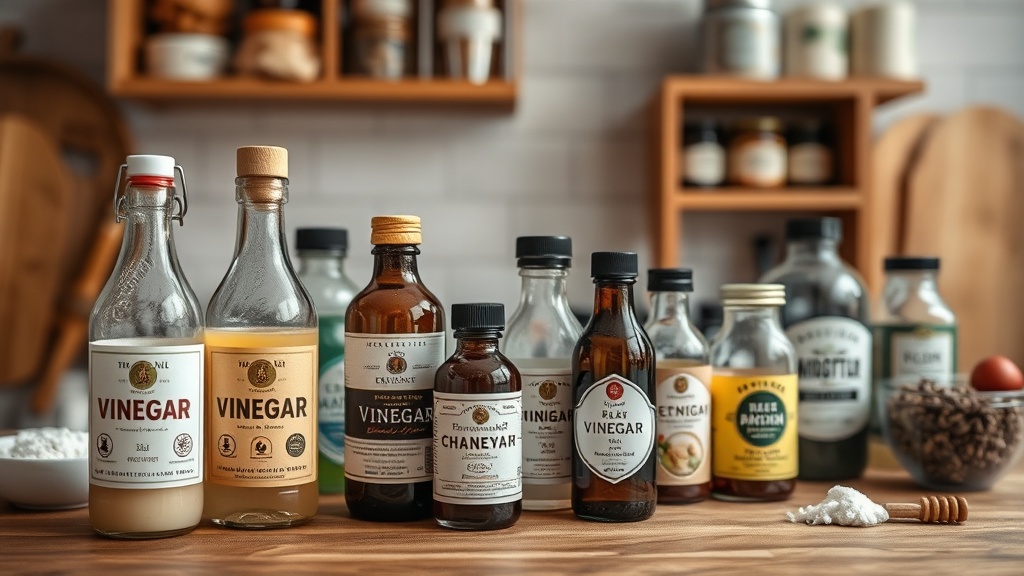
Vanilla extract raises questions due to its alcohol content. Pure vanilla extract contains approximately 35% alcohol, used to extract flavor compounds from vanilla beans. Islamic scholars hold varying opinions on this matter. Some consider it permissible since the alcohol serves as a processing agent and largely evaporates during baking. Others recommend using alcohol-free vanilla alternatives. This ingredient exemplifies how halal determinations can depend on scholarly interpretation.
Glycerin: Plant or Animal?
Glycerin (glycerol) serves as a sweetener, moisturizer, and preservative in countless food products. Like E471, glycerin can be produced from animal fats or vegetable oils. Vegetable glycerin is halal, while animal-derived glycerin requires verification of the source animal and slaughter method. When a product specifies "vegetable glycerin," consumers can be confident in its halal status.
Understanding the Three Categories
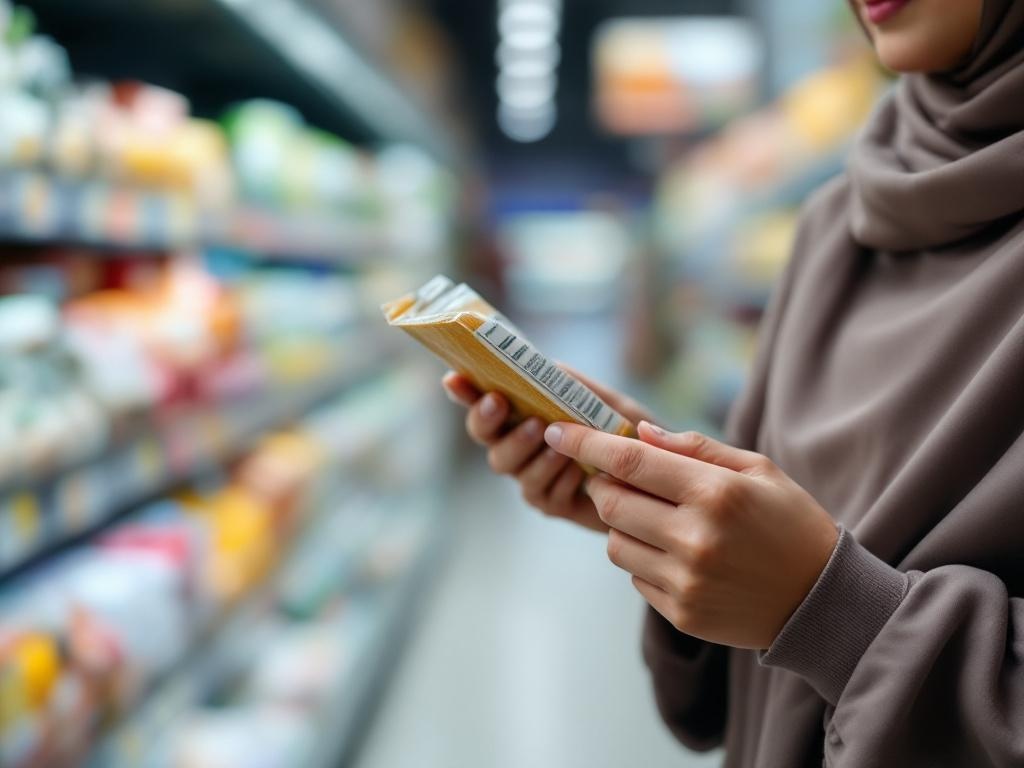
To effectively navigate halal food choices, understanding the three-tier classification system helps. Each category provides clear guidance on how to approach different ingredients and products.
| Category | Meaning | Action |
|---|---|---|
| Halal | Permissible, safe to consume | Consume with confidence |
| Mushbooh | Doubtful, source unclear | Investigate further or avoid |
| Haram | Forbidden, never permissible | Avoid completely |
The Prophet Muhammad advised: "Leave that which makes you doubt for that which does not make you doubt." This guidance encourages Muslims to err on the side of caution when facing uncertain ingredients. However, with modern technology, determining halal status no longer requires guesswork.
How to Verify Halal Status Instantly
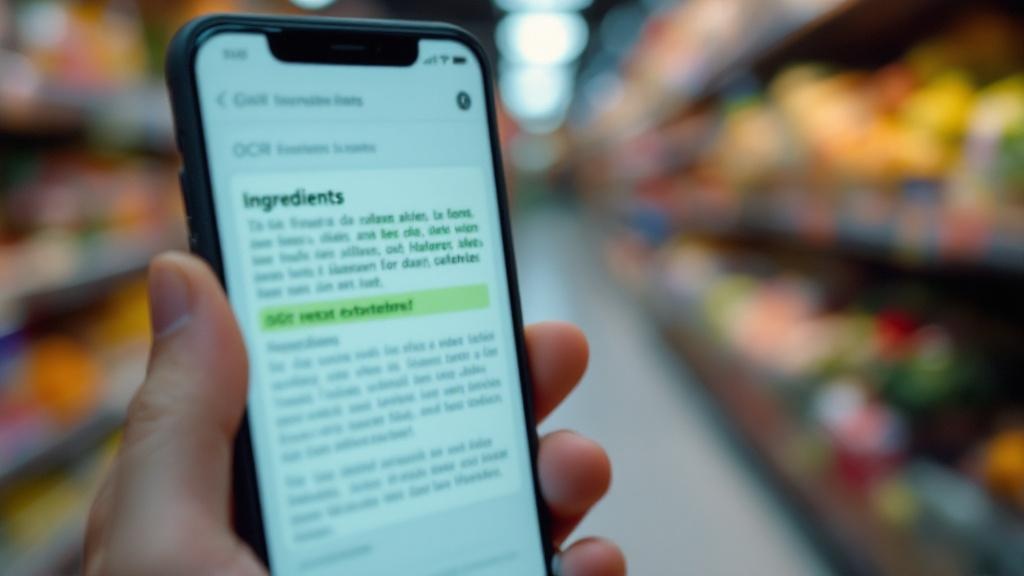
Reading ingredient labels carefully is the first step, but understanding every E-number and additive is nearly impossible. Technology helps with that. The HalalLens app uses OCR (optical character recognition) to scan ingredient lists and analyze each component against a database of halal-verified ingredients.
Key Takeaways
- ✓ Halal means permissible, haram means forbidden, and mushbooh means doubtful
- ✓ Gelatin, E471, and glycerin require source verification
- ✓ Plant-based alternatives are generally halal
- ✓ When in doubt, investigate or avoid
- ✓ Use HalalLens to scan and verify ingredients instantly
Scan Ingredients Instantly
Stop guessing about halal status. Point your camera at any ingredient list and let HalalLens analyze every component in seconds.
Try HalalLens FreeDisclaimer: This article is for educational purposes. Individual dietary decisions should be made in consultation with qualified Islamic scholars based on your specific circumstances and school of thought.