Halal Massaman Curry — Thai Muslim Beef Curry with Peanuts and Potatoes
Discover the Thai-Muslim origins of massaman curry and learn how to make an authentic halal version with tender beef, potatoes, and roasted peanuts.
Halal Massaman curry is the dish that gives away Thailand's long history as a crossroads of trade and faith. Rich, nutty, and only gently spiced compared to its fiery cousins tom yum and green curry, massaman simmers tender halal beef, waxy potatoes, and roasted peanuts in a coconut-milk sauce perfumed with cinnamon, cardamom, and star anise. It is southern Thailand's most famous Thai-Muslim dish, and unlike the coconut-and-lemongrass broths of tom kha gai or the sour, chile-forward punch of tom yum, massaman leans on warm baking spices more familiar to a Persian or Mughlai kitchen than a typical Thai wok. That blend of worlds is exactly the point.
The name "massaman" (มัสมั่น) is itself a Thai transliteration of "Muslim," and food historians trace the dish to the Ayutthaya kingdom of the 17th century, when Persian and South Asian Muslim traders, diplomats, and settlers moved through Siam's ports in large numbers. According to Wikipedia's history of massaman curry, the name is a corruption of the Persian and Arabic word mosalmân, meaning Muslim, and the dish is generally understood to have emerged from Siam's Muslim communities, whether as an adaptation brought directly by Persian traders or as a court creation during the Ayutthaya-to-Thonburi period. National Geographic's account of the dish notes that massaman was historically associated with the royal court as well as with Muslim communities concentrated in southern Thailand, where trade with the Malay peninsula and points further west was strongest.
Spices That Traveled Farther Than the Cooks Did
What sets massaman apart from other Thai curries is its spice list, and almost none of that list is native to Thailand. Cloves, nutmeg, mace, and cardamom trace back to Indonesia; cinnamon arrived from India; star anise came from Vietnam and China; bay leaves have roots in Turkey; cumin traveled from Syria; and the chile peppers that give the paste its base heat are, like all chiles in Southeast Asian cooking, an import from the Americas that only reached the region after the 16th century. Thai cooks took this imported spice cabinet — the same warm, earthy blend used in Persian, Indian, and Malay Muslim kitchens for slow-cooked meat stews — and married it to distinctly Thai techniques: a pounded curry paste, coconut milk simmered until its oils separate, and the sweet-sour-salty balance of palm sugar, tamarind, and fish sauce that defines Thai cooking generally. The result reads as Thai in execution but Persian and Indian in soul, which is precisely why food writers keep circling back to it as the clearest edible evidence of Ayutthaya's cosmopolitan trade networks. A regional guide to massaman curry lays out this ingredient migration in more detail, tracing individual spices back to their ports of origin.
Because it was never a street-food curry in the way that tom yum or basil stir-fries are, massaman also carries a slower, more ceremonial reputation. Its long simmer time, its association with the Ayutthaya and later Bangkok royal courts, and its deep ties to the Muslim-majority provinces of southern Thailand near the Malaysian border all mark it as a dish meant for gathering rather than quick eating. That is also why, unlike lighter Thai soups, it was never made with pork in Thailand — pork has no place in a dish that grew out of a Muslim community's kitchen, and halal beef, chicken, or duck have always been the standard proteins.
Halal Adaptation Notes
Massaman curry starts from a halal-friendly foundation, but a few ingredients deserve a closer look before you cook. First, always use halal-certified beef — this recipe calls for a well-marbled cut like chuck or shin that can withstand a long, slow braise until it turns fork-tender. Second, fish sauce is a traditional seasoning in massaman paste and the finishing sauce, and standard fish sauce is generally considered acceptable by most halal authorities since it is made purely from fermented fish and salt with no alcohol or animal-derived additives beyond the fish itself; still, brands vary, so if you want certainty, look for a certified-halal fish sauce or substitute a halal-certified "vegetarian fish sauce" alternative made from soy and seaweed, which several halal grocers now stock. Third, double-check your curry paste if you buy it ready-made rather than pounding your own — some commercial Thai curry pastes include shrimp paste (kapi) or fish sauce that may not carry halal certification, and a small number use wine-based flavoring agents, so read the label or make the paste from scratch as this recipe does. With those three checks — beef, fish sauce, and paste — massaman curry converts cleanly into a fully halal dish without losing any of its signature depth.
Recipe Snapshot
| Yield | 4-6 servings |
|---|---|
| Prep time | 25 minutes |
| Cook/Bake time | 1 hour 45 minutes |
| Total time | 2 hours 10 minutes |
| Cuisine | Thai (Thai-Muslim, Southern Thailand) |
Ingredients
This recipe builds the curry paste from scratch, then simmers it low and slow with halal beef, potatoes, and peanuts until the sauce turns glossy and the meat falls apart at the touch of a spoon.
For the Massaman Paste
| Dried red chilies, seeds removed 6-8 chilies, soaked in warm water |
— | |
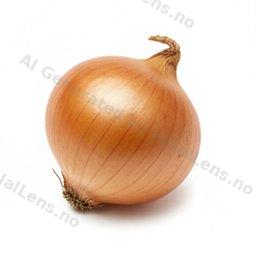 |
Shallots or onion 4 small shallots, chopped |
HALAL |
| Garlic 6 cloves, peeled |
— | |
| Lemongrass 2 stalks, tender part only, sliced |
— | |
| Ground cumin and coriander seed 1 tsp cumin, 1 tsp coriander seed, toasted |
— | |
| Cardamom pods and cloves 4 cardamom pods, 3 whole cloves |
— | |
 |
Halal-certified fish sauce 1 tbsp (or halal soy-seaweed alternative) |
MUSHBOOH — VERIFY BRAND |
For the Curry
| Halal beef chuck or shin 700g (1.5 lbs), cut into 2-inch chunks |
HALAL (certified) | |
 |
Coconut milk 2 cups (480ml), full-fat, divided |
HALAL |
 |
Potatoes 2 medium, peeled and cut into large chunks |
HALAL |
|
Onion 1 large, cut into wedges |
HALAL |
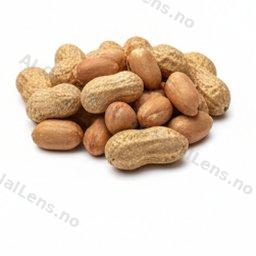 |
Roasted peanuts 1/2 cup, unsalted |
HALAL |
 |
Palm sugar 2 tbsp, packed |
HALAL |
| Tamarind paste 3 tbsp, diluted in warm water |
— | |
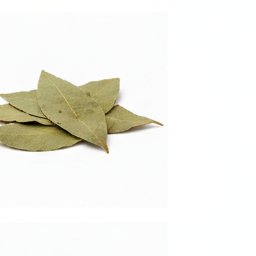 |
Bay leaves 2 leaves |
HALAL |
| Cinnamon stick 1 stick |
HALAL | |
| Star anise 1 whole pod |
— | |
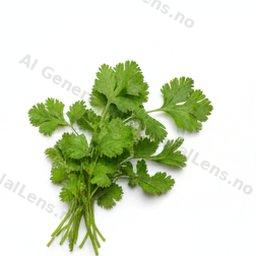 |
Fresh coriander A small handful, for garnish |
HALAL |
| Salt, to taste 1/2-1 tsp, adjust at the end |
— |
Method
- Soak the dried chilies in warm water for 15 minutes until softened, then drain and roughly chop, discarding the soaking liquid.
- Dry-toast the cumin seed, coriander seed, cardamom pods, and cloves in a small pan over medium heat for 1-2 minutes until fragrant, shaking the pan often so nothing scorches. Let the spices cool slightly, then grind them in a spice grinder or mortar and pestle.
- Pound or blend the soaked chilies, shallots, garlic, and lemongrass into a rough paste, then work in the ground toasted spices and the fish sauce. Continue pounding or blending until the mixture forms a fairly smooth, deep-red paste. Set aside.
- Heat a heavy-bottomed pot or Dutch oven over medium heat. Add about a third of the coconut milk (skimming just the thick cream from the top of the can if it has separated) and let it simmer, stirring, until the oil begins to visibly separate from the milk — this "cracking" step, typical of Thai curry-making, deepens the flavor of the paste in the next stage.
- Add the massaman paste to the cracked coconut cream and fry for 3-4 minutes, stirring constantly, until it turns glossy and very fragrant.
- Add the halal beef chunks to the pot and stir to coat every piece in the paste. Cook for 5 minutes to sear the exterior of the meat lightly.
- Pour in the remaining coconut milk along with 1 cup of water, then add the bay leaves, cinnamon stick, and star anise. Bring to a gentle simmer, then reduce the heat to low, cover, and cook for 1 hour, stirring occasionally and adding a splash of water if the sauce looks too thick.
- Add the potatoes and onion wedges to the pot, and continue simmering, covered, for another 30-40 minutes, until the beef is fork-tender and the potatoes are cooked through but still holding their shape.
- Stir in the roasted peanuts, palm sugar, and the diluted tamarind paste. Simmer uncovered for a final 10 minutes to let the sauce reduce slightly and the flavors meld — you are aiming for a sauce that lightly coats the back of a spoon.
- Taste and adjust the seasoning with salt or a touch more palm sugar and tamarind until the curry is balanced between rich, sweet, sour, and salty.
- Remove the bay leaves, cinnamon stick, and star anise pod before serving. Ladle the curry into bowls over steamed jasmine rice and scatter fresh coriander leaves on top.
Tips & Variations
- If you cannot find tamarind paste, a squeeze of fresh lime juice plus a pinch of extra palm sugar will approximate the sour-sweet balance, though the flavor will be slightly brighter and less earthy than real tamarind.
- Chicken thighs or duck can replace beef for a shorter cooking time — reduce the initial simmer in step 7 to about 25 minutes if using boneless chicken thighs.
- For a nut-free version, swap the roasted peanuts for roasted cashews or omit them entirely; the sauce will be slightly less thick but still full of flavor.
- Massaman curry actually improves after a day in the refrigerator, as the spices continue to infuse the sauce — this makes it an excellent make-ahead dish for gatherings.
- Always double-check the label on any store-bought curry paste or fish sauce substitute for halal certification, since commercial versions can vary by brand and region.
AI disclosure: This recipe article was drafted with AI assistance and reviewed by HalalLens for accuracy and halal compliance.