Halal Fish and Chips — Crispy Beer-Batter-Free British Classic
Classic British fish and chips made fully halal with an alcohol-free sparkling water batter that keeps the same light, crackling crunch as the traditional beer version.
Halal fish and chips brings Britain's most iconic takeaway dish home without a drop of alcohol in the batter. Crisp, golden, and impossibly light, this version swaps the traditional beer for chilled sparkling water, delivering the same airy crunch that has made fish and chips a national institution for over 150 years — with a thick-cut chip and a proper fish supper that any halal household can enjoy without compromise.
Fish and chips is often thought of as a purely British invention, but its roots reach back further and further afield than most people realise. Fried fish arrived in England with Sephardic Jewish immigrants from Spain and Portugal in the 16th and 17th centuries, who had a tradition of coating fish in flour and frying it in oil so it could be prepared in advance and eaten cold on the Sabbath. According to Encyclopaedia Britannica, this "pescado frito" tradition merged over the following centuries with the British love of fried potatoes to create the dish we recognise today.
The pairing of fried fish with chips is generally credited to the Industrial Revolution of the mid-1800s, when the expansion of the railways made it possible to transport fresh fish from coastal ports to inland cities overnight. Joseph Malin, a Jewish immigrant living in London's East End, is widely cited as opening one of the first dedicated fish and chip shops near Bow around 1860, combining fried fish with the fried potato chips already popular in the north of England. Within a few decades, as the Historic UK archives note, fish and chip shops had spread across the country, becoming a fixture of working-class industrial towns where cheap, hot, filling food was in constant demand.
A Dish That Survived War and Rationing
What cemented fish and chips as a genuine symbol of British identity was its treatment during the Second World War. Unlike almost every other food staple, fish and chips was never subject to rationing, because the government recognised its importance for civilian morale during the Blitz and the years that followed. Queues outside chip shops became a familiar sight in bombed cities, and the dish took on an almost patriotic significance that has stuck ever since. Today there are estimated to be more than 10,000 fish and chip shops across the United Kingdom, and surveys consistently show that a large share of the population eats the dish at least occasionally, making it one of the most enduring culinary traditions in British food culture.
Traditionally, the batter that gives fish and chips its signature crunch is made with beer, which is prized by chip shop cooks for the carbonation and slight bitterness it lends to the coating. The carbon dioxide bubbles trapped in the batter expand rapidly in hot oil, creating thousands of tiny air pockets that fry up into a lace-like, shatteringly crisp shell. It is this texture — rather than any specific ingredient — that fish and chip lovers actually crave, which is exactly why a well-made alcohol-free batter can achieve the same result.
Halal Adaptation Notes
The single most important change in this recipe is the replacement of beer with well-chilled sparkling water (or club soda). Sparkling water carries essentially the same dissolved carbon dioxide that gives beer batter its lift, so the frying chemistry barely changes: the bubbles still expand explosively the moment the battered fish hits hot oil, puffing the coating into the same lacy, ultra-crisp crust. Using the water straight from the fridge — as cold as possible — helps too, since cold batter meeting hot oil creates a more dramatic, instant sizzle that locks in crispness before the coating has a chance to absorb excess oil.
To compensate for the very mild sweetness and yeasty depth that beer would normally contribute, this recipe adds a touch of extra baking powder for lift and a pinch more salt to keep the flavour balanced. Some traditional recipes also use malt vinegar as a splash-in for the batter itself; here it is reserved entirely for serving, in keeping with its authentic role as a table condiment rather than a batter ingredient. Every other component — the fish, the oil, the potatoes, the vinegar, the seasoning — remains completely standard to the dish, so nothing about the finished result reads as a compromise. It is worth noting that this is a distinct recipe from breaded fish fingers, which use a dry breadcrumb coating rather than a wet, carbonated batter, and from Southern-style fried catfish, which relies on a seasoned cornmeal dredge rather than a beer-style batter — the light, blistered, almost tempura-like crust is what defines true fish and chips, and it is that specific texture this recipe is built to preserve.
For the oil, any neutral, halal-certified vegetable or sunflower oil is appropriate; historically, chip shops in the north of England used beef dripping, but that has never been the standard everywhere, and pure vegetable oil produces an equally crisp result while keeping the recipe unambiguously halal without needing further verification of the fat source.
Recipe Snapshot
| Yield | 4 servings |
|---|---|
| Prep time | 20 minutes |
| Cook/Bake time | 25 minutes |
| Total time | 45 minutes |
| Cuisine | British |
Ingredients
This recipe serves four and uses two simple components: a classic double-fried chip and an alcohol-free sparkling batter for the fish. Quantities below are calibrated for a large, thick white fish fillet per person.
For the Fish & Batter
|
Cod or haddock fillets
4 fillets (about 180g / 6oz each), skinned
|
— |
|
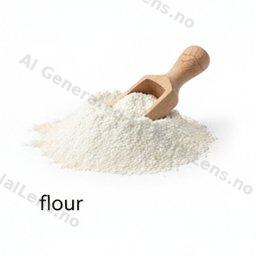
Plain flour
200g (1.5 cups), plus extra for dusting
|
HALAL |
|
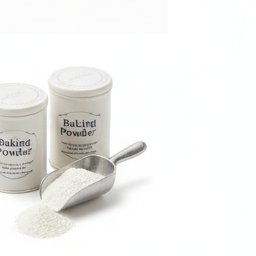
Baking powder
1.5 tsp
|
HALAL |

|
Sparkling water (ice-cold)
280ml (1.25 cups)
|
HALAL |
|
Salt
1 tsp, plus extra to season
|
HALAL |
|
Black pepper
1/2 tsp, freshly ground
|
— |
|
Vegetable oil (for frying)
1.5 litres, or enough to deep fry
|
HALAL |
For the Chips & Serving
|
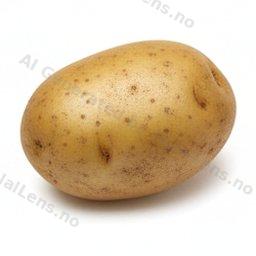
Potatoes
900g (2lbs), floury/starchy variety, peeled
|
HALAL |
|
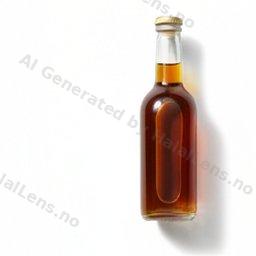
Malt vinegar
To serve
|
HALAL |
|
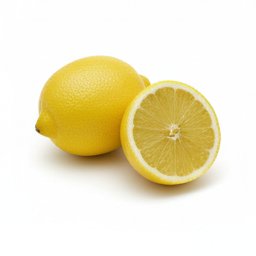
Lemon wedges
To serve
|
HALAL |
|
Mushy peas (optional)
400g, to serve
|
— |
Method
- Peel the potatoes and cut them into thick chips, roughly 1.5cm (about half an inch) across — traditional British chips are noticeably thicker than French fries, which is part of what gives them a fluffy interior once fried.
- Rinse the cut chips under cold water to remove surface starch, then pat them completely dry with a clean towel. Excess surface moisture is the main cause of spitting oil and soggy chips, so do not skip this step.
- Heat the vegetable oil in a deep, heavy pot or deep-fat fryer to 130°C (266°F). This is the "blanching" stage: fry the chips in batches for 5-6 minutes until they are soft all the way through but still pale in colour, without any browning. Remove with a slotted spoon and drain on kitchen paper.
- Raise the oil temperature to 180°C (356°F) for the second fry. While the oil heats, pat the fish fillets dry with kitchen paper and season lightly with salt and pepper on both sides.
- Make the batter just before frying, not in advance: whisk the flour, baking powder, 1 tsp salt, and black pepper together in a large bowl. Pour in the ice-cold sparkling water in a steady stream while whisking gently — stop as soon as the mixture is smooth and the consistency of thin double cream. Do not overmix; a few small lumps are fine and overworking the batter knocks out the very bubbles you need for crispness.
- Dust each fish fillet lightly in a little extra flour, shaking off the excess, then dip it fully into the sparkling batter, letting any excess drip away for a second or two.
- Carefully lower each battered fillet into the 180°C oil, holding it by the tail end for a second so the batter sets before fully releasing it — this prevents the fish from sticking to the bottom of the pot. Fry for 6-8 minutes, until the batter is deep golden brown and audibly crisp, and the fish flakes easily with a fork. Fry one or two fillets at a time to avoid crowding and dropping the oil temperature.
- While the fish fries, return the blanched chips to the 180°C oil for their second fry, 2-3 minutes, until deep golden and crisp on the outside. Drain both fish and chips on fresh kitchen paper and season immediately with salt while still hot, so it sticks properly.
- Serve immediately, piping hot, with malt vinegar, lemon wedges, and mushy peas on the side if desired. Fish and chips is a dish that does not wait — the batter begins to soften within minutes of leaving the fryer.
Tips & Variations
- Keep the sparkling water in the refrigerator until the very last moment; the colder the liquid, the more dramatic the initial fizz-to-steam reaction in the hot oil, and the crispier the finished crust.
- Make the batter in small batches if cooking for a crowd — sparkling water loses its carbonation quickly once mixed with flour, so a batter that sits for more than 15-20 minutes will fry up noticeably less crisp than a fresh one.
- A deep-fry or candy thermometer is worth using here; the two-temperature method (130°C to cook the chips through, 180°C to crisp both chips and fish) is what separates soggy chip-shop imitations from the real thing.
- If halal-certified beef dripping is available and preferred for authenticity, it can replace the vegetable oil for frying — this was the traditional northern English method — but pure vegetable or sunflower oil gives an equally crisp, arguably lighter, result.
- Any firm, mild white fish works well beyond cod and haddock, including pollock or hake; just keep fillets a similar thickness so they cook through at the same rate as the batter crisps.
- Leftover chips reheat far better in an oven or air fryer at high heat than in a microwave, which turns them soft; the fish is best enjoyed fresh, as reheating the batter rarely restores its original crunch.
AI disclosure: This recipe article was drafted with AI assistance and reviewed by HalalLens for accuracy and halal compliance.