Mochi looks simple from the outside. Rice cake, sweet filling, maybe a dusting of starch. Then you turn over a supermarket pack and discover that the real halal question is often hidden in the filling, coating, or frozen dessert center. A practical guide to mochi for Muslim shoppers, covering fillings, ice cream mochi, gelatin, emulsifiers, and imported ingredient labels.
Plain mochi is built around glutinous rice and can be straightforward. Packaged mochi, especially filled mochi and ice cream mochi, is where emulsifiers, gelatin, dairy stabilizers, flavor extracts, and imported label conventions begin to matter. Muslim shoppers often ask whether mochi is halal because the food itself feels innocent while the packaging feels uncertain. That tension matters. The base food is not the same thing as the processed retail product in front of you, and the safest shopping habit is to judge those separately.
Search Console is already showing real visibility for this topic, which means the problem is not whether people care. The problem is that many current snippets and ingredient pages do not answer the shopper's question in a complete way. This guide is built to close that gap with a calmer, more practical explanation that works in a supermarket aisle, not only in a technical glossary.
What mochi Means In Practice
Plain mochi is built around glutinous rice and can be straightforward. Packaged mochi, especially filled mochi and ice cream mochi, is where emulsifiers, gelatin, dairy stabilizers, flavor extracts, and imported label conventions begin to matter.
Muslim shoppers often ask whether mochi is halal because the food itself feels innocent while the packaging feels uncertain. That tension matters. The base food is not the same thing as the processed retail product in front of you, and the safest shopping habit is to judge those separately.
| Ingredient | Current HalalLens Status | Reference |
|---|---|---|
| brewed matcha green tea | Halal | brewed-matcha-green-tea |
Where Muslims Usually Run Into This Question
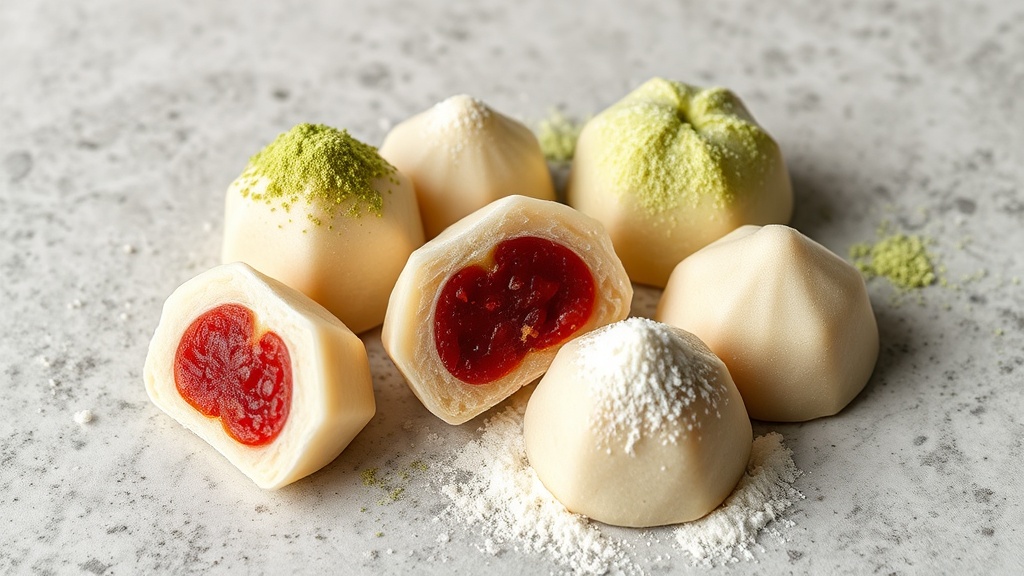
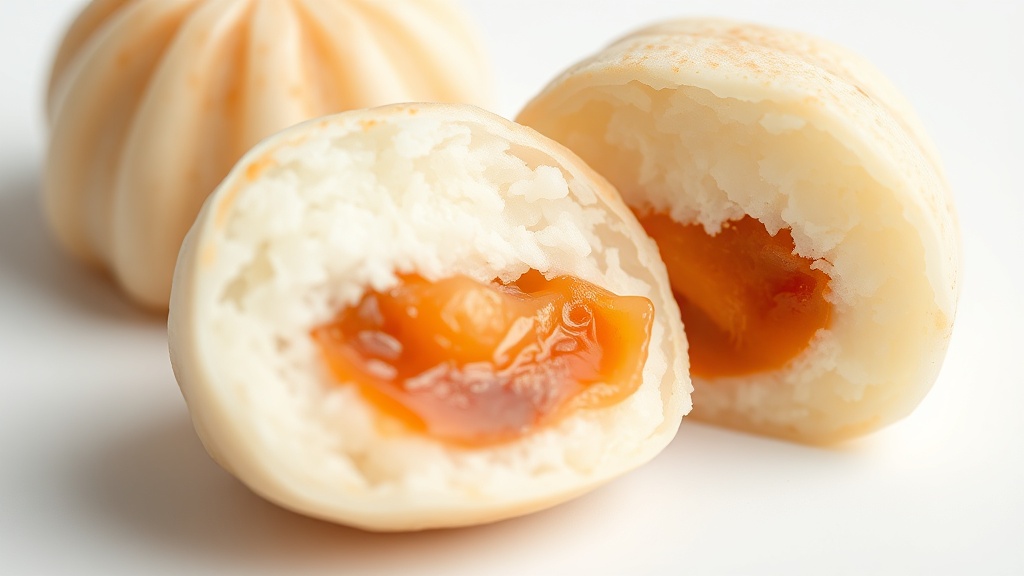
Red bean mochi can be simple. Matcha mochi can still be simple. Ice cream mochi, custard-filled mochi, novelty supermarket boxes, and imported seasonal sweets are more likely to contain the kind of processing aids that turn a clear yes into a maybe.
This is why a one-word halal answer rarely feels satisfying. The same ingredient can appear inside a clean, transparent product or inside a formula packed with flavorings, stabilizers, and source-sensitive additives. Muslim consumers are usually reacting to that uncertainty rather than to the code or product name itself.
| Where You See It | How Common | What To Check |
|---|---|---|
| Plain rice mochi | Lower concern | Short ingredient lists are easier to assess. |
| Red bean filled mochi | Moderate concern | Check the filling additives, not only the shell. |
| Ice cream mochi | Higher concern | Stabilizers and emulsifiers often matter most here. |
| Novelty flavored mochi | Context-dependent | Flavor carriers and colorants can complicate the answer. |
For deeper background, see homemade halal mochi daifuku japanese rice cake with red bean filling.
For deeper background, see halal in japan complete ingredient guide for muslim expats.
For deeper background, see is gelatin halal a complete guide to understanding this complex ingredient.
How To Make A Practical Halal Decision
The best practical move is to read the product as a layered item. Start with the rice shell. Then inspect the filling. Then inspect stabilizers, emulsifiers, and flavor carriers. A lot of confusion disappears once you stop thinking of mochi as one ingredient and start treating it as a small assembled dessert.
A useful routine is simple. Start with the product type. Then read the whole label, not just the headline ingredient. Then check whether the item is dealing with a direct haram source, a mushbooh source question, or a functional additive that is usually less serious than shoppers fear. That small shift in method helps you spend your caution where it matters most.
This is also the moment where HalalLens becomes genuinely practical instead of theoretical. You can scan the ingredient list, catch the surrounding additives people often miss, and compare the product you are holding with the ingredient-level guidance already in the database. That is faster than opening five browser tabs and safer than relying on random forum answers.
Common Questions
Is plain mochi usually halal?
Plain mochi is often much easier to treat as halal because the ingredient list is short. The complications usually arrive with fillings, dairy centers, and added processing aids.
Does matcha make mochi doubtful?
Matcha itself is not the usual problem. The problem is the overall processed dessert formula around it.
What should I check first on imported mochi boxes?
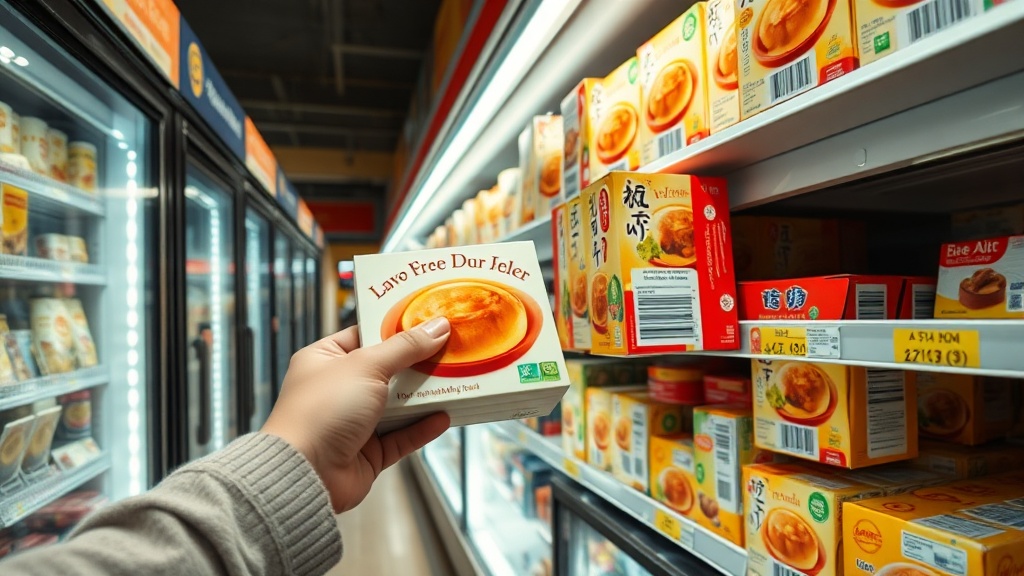
Check gelatin, emulsifiers, flavor extracts, and whether the filling contains ingredients that are not clearly sourced.
Key Takeaways
- ✓mochi should be judged in context, not by fear of an unfamiliar label alone.
- ✓The current HalalLens database view for the lead item is HALAL, but product-level context still matters.
- ✓A short ingredient list is easier to trust than a heavily processed product with multiple vague additives.
- ✓Scan imported desserts, ice cream mochi, and Japanese sweets before checkout.
Scan Ingredients Instantly
Scan imported desserts, ice cream mochi, and Japanese sweets before checkout.
Try HalalLens FreeDisclaimer: This article is for educational purposes. Always consult qualified Islamic scholars for religious rulings and product-specific decisions.
Another reason this topic matters is that Muslim shoppers are rarely making the decision in a calm research setting. They are standing in front of a shelf, a freezer, a restaurant menu, or a delivery app. A useful halal guide therefore has to be practical, repetitive in the right places, and clear about what deserves the most attention. Mochi becomes much easier to judge once you separate the ingredient itself, the product around it, and the confidence you have in the brand or setting.