Chicken Yassa: Senegalese Caramelized Onion and Lemon Chicken
A halal guide to Senegal's beloved Casamance dish: chicken marinated in lemon, mustard, and mountains of onion, then seared and braised into a tangy, caramelized sauce.
Chicken Yassa is Senegal's most travelled dish: bone-in chicken marinated for hours in lemon juice, Dijon mustard, and a mountain of onions, then seared and slow-braised until the onions collapse into a tangy, almost caramel-sweet sauce. It began in the rice-and-citrus country of Casamance in southern Senegal and has since become the everyday centerpiece of Senegalese tables from Dakar to the diaspora kitchens of Paris and New York. This version keeps the marinade exactly as Casamance cooks intended — lemon, mustard, and onion, no shortcuts — while confirming every ingredient against halal sourcing standards.
Yassa is not the same dish as thieboudienne, the tomato-and-fish rice dish more commonly associated with Senegal abroad. Where thieboudienne is built on a tomato-fish broth poured over broken rice, yassa is a dry-marinated, pan-seared, then braised preparation whose entire character comes from acid, mustard, and slow-cooked onions rather than tomato. The two dishes share a country but almost nothing else — this article covers yassa specifically, and readers looking for the rice-and-fish dish should look to a dedicated thieboudienne recipe instead.
The word "yassa" itself carries a layered history. According to the Oxford English Dictionary, the term traces through Wolof yaasa back to a Casamance Portuguese Creole word ya'sa, meaning "to grill," which itself descends from the Portuguese verb assar, "to roast." Portuguese traders were present along the Senegambian coast from the 15th century onward, and Casamance — wedged between the Gambia and Guinea-Bissau — absorbed Portuguese Creole vocabulary long before French colonization reshaped the wider region. Other etymologies point instead to Wolof or Mandinka roots tied to cooking with onions or grilling, and the Wikipedia entry on yassa notes the etymology remains genuinely debated rather than settled. What is agreed is the geography: chicken yassa, known locally as yassa au poulet or poulet yassa, is a specialty of the Casamance region in southern Senegal, a fertile belt of land where both onions and citrus grow abundantly.
From Casamance Fishing Villages to a National Dish
Casamance sits apart from the rest of Senegal both geographically and culturally — it is separated from the northern two-thirds of the country by the Gambia, a slender English-speaking nation that splits Senegalese territory in two. This isolation let Casamance develop its own culinary identity, shaped by the Diola, Mandinka, and Balanta peoples of the region, and by centuries of contact with Portuguese and later French traders moving along the Casamance River. The area's lush, well-watered soil supports citrus groves and onion fields that are unusual for the wider Sahel, and yassa grew directly out of that agricultural abundance: cooks had lemons and onions in quantity, and built a marinade around them rather than around the tomato paste and dried fish more typical of Senegal's drier north.
Traditionally, yassa began as a way to preserve and tenderize freshly caught fish or grilled meat using acid and alliums — the marinade doubled as a rough form of curing before refrigeration was common. Chicken yassa in particular became associated with hospitality and celebration. Large communal pots of yassa are a fixture at Senegalese weddings, baptisms, and naming ceremonies, cooked in volumes meant to feed dozens of guests at once. The dish's spread beyond Casamance and into Dakar's urban food culture, and from there into West African diaspora communities in France, followed the same migration routes that carried so much of Senegal's culinary heritage abroad during and after the colonial period.
The Marinade Is the Recipe
What sets chicken yassa apart from other braised chicken dishes across the region is the sheer proportion of onion to meat — a well-made yassa uses close to a kilogram of onions for four chicken thighs, more onion by weight than chicken. The chicken is marinated for several hours or overnight in lemon juice, mustard, sliced onion, garlic, and black pepper, then traditionally grilled or seared over charcoal to develop char before being braised gently in the reserved marinade until the onions break down into a soft, jammy sauce with a bright citrus edge cutting through the richness. Some coastal Casamance households add a whole scotch bonnet or habanero left intact in the pot for aromatic heat without overwhelming spice, removing it before serving. The classic partner is plain steamed white rice, which soaks up the tangy onion sauce.
Halal Adaptation Notes
Chicken yassa is halal-friendly by design once two points are confirmed. First, the chicken itself must come from a halal-certified or zabiha source — the dish carries no pork or pork-derived ingredients in any traditional version, so the only sourcing question is the poultry itself. Second, mustard: prepared Dijon-style mustards can occasionally include wine vinegar or wine as an acidifying agent in some commercial formulations, which some halal authorities classify differently depending on alcohol content after fermentation and cooking. This recipe calls for a plain, wine-free prepared mustard or dry mustard powder mixed with water and lemon juice, sidestepping the question entirely while keeping the same sharp, tangy flavor the dish depends on. No wine, stock cubes with animal fat of unverified origin, or bouillon of unknown composition are used anywhere in this recipe — every seasoning here is a whole-food ingredient with a clear halal status.
Recipe Snapshot
| Yield | 4 servings |
|---|---|
| Prep time | 25 minutes (plus 4-12 hours marinating) |
| Cook/Bake time | 55 minutes |
| Total time | 1 hour 20 minutes (plus marinating) |
| Cuisine | Senegalese |
Ingredients
This ingredient list follows the traditional Casamance ratio of a very large volume of onion to a modest amount of chicken — resist the urge to cut the onion quantity, since the onions become the sauce.
|
Bone-in chicken thighs and drumsticks
1.5 kg (about 8 pieces), halal-certified
|
— |
|
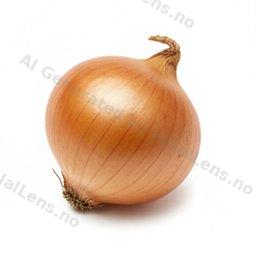
Onion
1 kg, thinly sliced
|
HALAL |
|
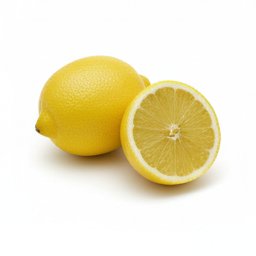
Lemon
4-5, juiced (about 180ml juice)
|
HALAL |
|
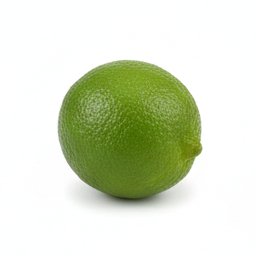
Lime
1, juiced (optional, for brightness)
|
HALAL |

|
Mustard (wine-free, prepared or dry powder)
3 tablespoons
|
MUSHBOOH — verify wine-free |
|
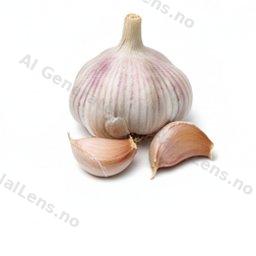
Garlic
4 cloves, minced
|
HALAL |
|
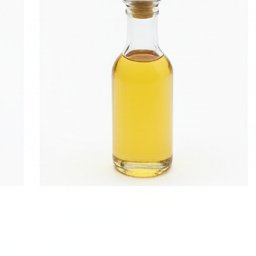
Vegetable oil (or peanut oil)
4 tablespoons, divided
|
HALAL |

|
Carrot
2, sliced into thick rounds
|
HALAL |
|
|
Bay leaf
2 whole leaves
|
HALAL |
|
Scotch bonnet or habanero pepper
1 whole (optional, left intact for aroma)
|
— |
|
Salt and black pepper
To taste
|
— |
|
White rice
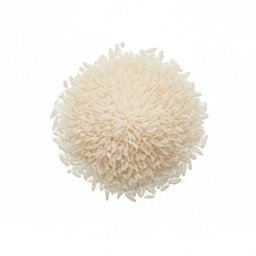
2 cups, steamed, for serving
|
HALAL |
Method
- Marinate the chicken. Pat the chicken pieces dry and place them in a large bowl. Combine the lemon juice, lime juice, mustard, half the sliced onions, minced garlic, and a generous pinch of black pepper. Pour this over the chicken, massaging it into every piece. Cover and refrigerate for at least 4 hours, ideally overnight, turning once if you remember.
- Separate chicken from marinade. Lift the chicken pieces out of the bowl and set them on a plate, reserving the marinade (onions, liquid, and all) in a separate container. Shake off excess marinade from the chicken so it sears rather than steams in the next step.
- Sear the chicken. Heat 2 tablespoons of oil in a heavy pot or Dutch oven over medium-high heat. Working in batches so the pot isn't crowded, brown the chicken pieces on all sides, about 3-4 minutes per side, until deeply golden. Remove and set aside; the pot should have good browned bits on the bottom.
- Soften the onions. Add the remaining 2 tablespoons of oil to the same pot along with the reserved marinated onions and any fresh onion not yet used. Reduce heat to medium-low and cook, stirring occasionally, for 15-20 minutes until the onions are deeply softened and beginning to turn translucent gold. Scrape up the browned bits from searing as the onions release moisture.
- Add the marinade liquid and aromatics. Pour in the reserved marinade liquid, add the carrot rounds, bay leaves, and the whole scotch bonnet or habanero if using (keep it whole and uncut so the heat stays mild). Stir to combine.
- Return the chicken and braise. Nestle the seared chicken pieces back into the pot, submerging them partway in the onion mixture. Bring to a gentle simmer, then cover and reduce heat to low. Cook for 30-35 minutes, until the chicken is fork-tender and the sauce has thickened slightly, stirring occasionally and adding a splash of water if the pot looks dry.
- Adjust and finish. Remove the whole chile and bay leaves. Taste the sauce and adjust salt, pepper, and lemon juice — yassa should taste distinctly tangy, not just savory. If you'd like a touch more char, you can transfer the chicken briefly under a hot broiler for 3-4 minutes before serving, then spoon the onion sauce back over it.
- Serve. Spoon the chicken and onion sauce generously over steamed white rice. Yassa keeps well and, like many braises, often tastes even better the next day once the flavors have settled.
Tips & Variations
- Don't skimp on the onion quantity — a thin layer of onions will scorch and never develop the soft, jammy texture that defines yassa. More onion than you think you need is correct.
- If you can't find a reliably wine-free prepared mustard, mix dry mustard powder with a little water and lemon juice instead; this gives the same sharp bite without any ambiguity about the base liquid.
- Grilling the marinated chicken over charcoal before braising, rather than pan-searing, gets closer to the traditional Casamance method and adds a smokier depth — do this outdoors if you have the setup.
- For a milder dish, skip the scotch bonnet entirely; the marinade's acidity and mustard already give yassa plenty of character without added heat.
- Leftover onion sauce freezes well on its own and makes an excellent base for a quick second meal with grilled fish or extra chicken.
AI disclosure: This recipe article was drafted with AI assistance and reviewed by HalalLens for accuracy and halal compliance.