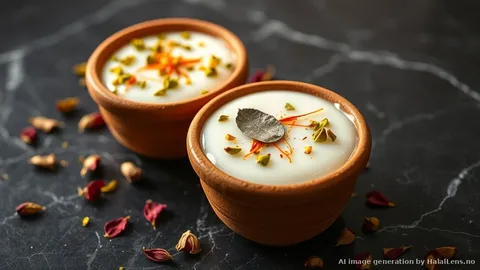
Karak Chai — Creamy Gulf-Style Tea with Cardamom and Saffron
Authentic Gulf-style karak chai made with strong black tea, crushed cardamom, saffron threads, and creamy evaporated milk. All ingredients are halal-verified. Ready in 20 minutes.
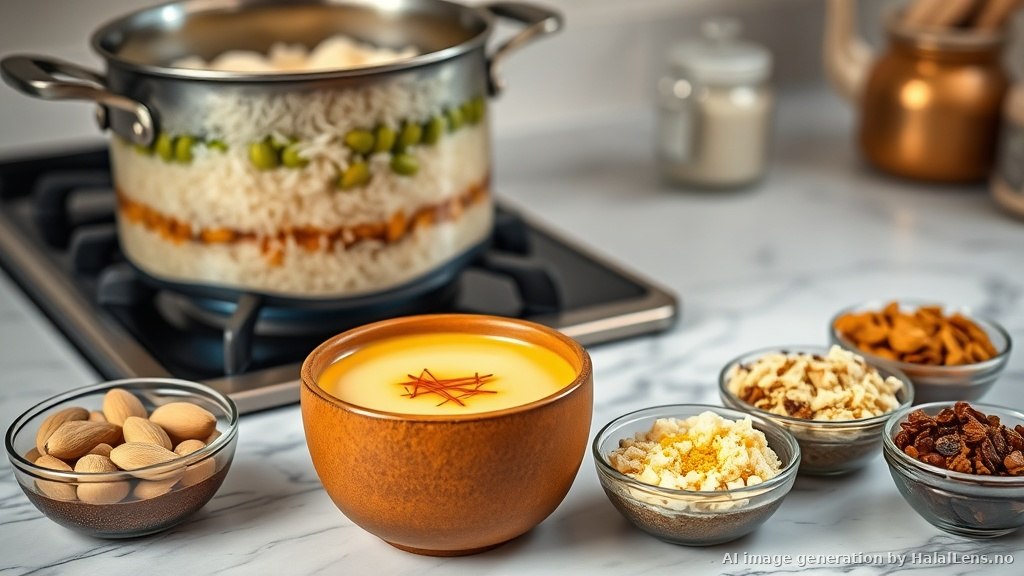
If you have ever walked through a market in Dubai, Doha, or Riyadh in the early morning, you already know that karak chai is not simply tea — it is a ritual. Thick, creamy, deeply spiced, and served scalding hot in small glass cups called istikan, karak chai is the heartbeat of Gulf social life. A meeting does not begin without it. A conversation does not end before the second cup.
This recipe brings you the real thing: a Gulf-style karak chai brewed the traditional way, with strong black tea, crushed cardamom pods, a cinnamon stick, fresh ginger, and the prized golden threads of saffron. All ingredients used in this recipe are halal-verified — from the evaporated milk to the spices — making this an easy, worry-free recipe for any Muslim household.
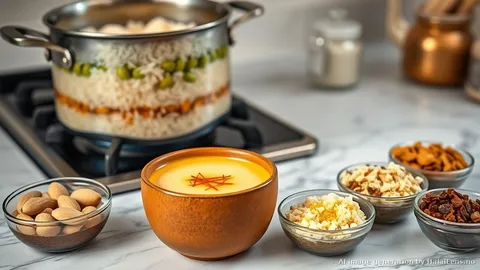
What Is Karak Chai?
Karak chai (also spelled karak tea, karak chay, or simply chai karak) comes from the Hindi and Urdu word kadak, meaning strong or bold. The drink traces its roots to the Indian subcontinent — specifically to the tea culture of Pakistan, India, and Bangladesh — but it was adopted and transformed by Gulf communities into something uniquely their own.
In the Gulf states, karak chai evolved from simple milky tea into a sophisticated, saffron-scented brew that combines South Asian spice traditions with Arabian luxury ingredients. The key differences from a standard masala chai are:
- Evaporated milk instead of fresh milk — this gives karak chai its signature richness and longer shelf life in hot climates
- Saffron — the most expensive spice in the world, adding an unmistakable golden color and floral depth
- Simpler spice profile — fewer spices than Indian masala chai, letting the tea and saffron shine
- Boiled with milk — not steeped separately; the milk is added during cooking for a homogenous, creamy result
Ingredients and Halal Status
Every ingredient in this karak chai recipe is naturally halal. Below is a breakdown of what you need and why each item is permissible:
| Ingredient | Halal Status | Notes |
|---|---|---|
| Black tea leaves / tea bags | Halal | Plant-derived; no concerns |
| Evaporated milk | Halal | Cow's milk, heat-concentrated; animal-derived but halal |
| Green cardamom pods | Halal | Plant-derived spice; no concerns |
| Saffron threads | Halal | Plant-derived (Crocus sativus); no concerns |
| Cinnamon stick | Halal | Plant-derived spice; no concerns |
| Cloves | Halal | Plant-derived spice; no concerns |
| Fresh ginger | Halal | Plant-derived; no concerns |
| Rose water | Halal | Steam-distilled rose extract; no alcohol concerns when food-grade |
| Sugar | Halal | Plant-derived; no concerns |
A note on rose water: Food-grade rose water (used in cooking and beverages) is widely considered halal by mainstream Islamic scholars because it is produced by steam distillation and contains no intoxicating properties. Look for rose water labeled for culinary use and produced without alcohol solvents.
Equipment You Will Need
- Medium saucepan (at least 1.5 liters capacity)
- Fine mesh tea strainer
- Small cup for blooming saffron
- Wooden spoon or silicone spatula
- Small glass cups (istikan) or mugs for serving
How to Make Karak Chai — Step by Step
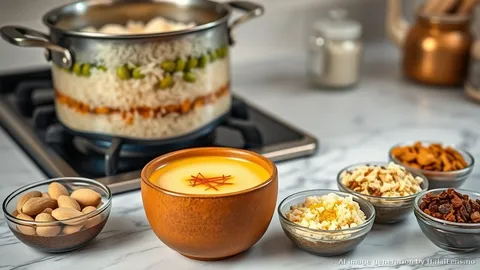
Step 1: Bloom the Saffron
Warm 2 tablespoons of water until very hot (not boiling). Add a pinch of saffron threads — about 20–30 strands — and let them steep for 5 minutes. You will see the water turn a deep amber-gold. This is called blooming, and it activates and distributes the saffron's color and flavor far more effectively than adding threads directly to the pot.
Step 2: Simmer the Spices
Pour 3 cups of cold water into your saucepan. Add 6 lightly crushed green cardamom pods (use the flat of a knife to crack them open), 1 cinnamon stick, 3 whole cloves, and 3–4 thin slices of fresh ginger. Bring to a boil over medium heat, then reduce the heat and simmer for 3 minutes. Your kitchen will immediately smell incredible.
Why cold water? Starting with cold water and bringing it gradually to temperature extracts more aromatic compounds from the spices compared to adding spices to already-boiling water.
Step 3: Add the Tea
Add 3 tablespoons of loose-leaf black tea or 4 strong tea bags to the simmering spice water. Stir once, then let steep for 3–4 minutes. The brew should be very dark, almost black. Karak chai is intentionally bold — if you are used to a lighter cup, the strength here will surprise you, but the milk will balance it perfectly.
Step 4: Add Milk and Saffron
Pour in 1 cup of evaporated milk and your bloomed saffron water (threads and all). Stir gently. Watch as the tea transforms from deep brown to a warm amber-gold. Add 3 tablespoons of sugar (or more to taste — Gulf-style karak chai is traditionally sweet) and stir until dissolved.
Step 5: The Boil — The Most Important Step
Raise the heat to medium-high. Stir the tea continuously as it heats. Allow the karak chai to come to a gentle, rolling boil. This is the defining step that separates karak chai from every other spiced tea. Boiling the tea with milk creates a completely unified brew — the spices, tea tannins, and milk fat meld together into something richer than the sum of its parts. Let it bubble for 2 full minutes, stirring constantly to prevent scorching on the bottom.
Step 6: Strain and Serve
Remove from heat. Strain through a fine mesh strainer directly into small glass cups or mugs. If using rose water, add 1–2 drops and stir. Serve immediately — karak chai is always enjoyed piping hot. Accompany with Medjool dates for the classic Gulf presentation.
Tips for the Best Karak Chai
Choose the Right Tea
The foundation of any great karak chai is a strong, bold black tea. In the Gulf, the most popular choices are:
- Assam black tea — the classic choice; malty, full-bodied, stands up to milk
- Ceylon black tea — slightly lighter and more aromatic than Assam
- Lipton Yellow Label — the ubiquitous Gulf choice; widely available and reliably strong
- Tapal Danedar — popular in South Asian communities; granular cut for quick extraction
Avoid green tea, white tea, or herbal teas — they will not provide the bold base that karak chai requires.
Invest in Quality Saffron
Saffron is expensive for good reason — the threads are hand-harvested from Crocus sativus flowers, with each flower producing only 3 stigmas. For karak chai, you only need a small pinch (about 20–30 threads), so a small jar goes a long way. Look for saffron labeled Grade A or Super Negin from Iran, Kashmir, or Spain. Quality saffron should be deep red with slightly lighter orange tips — avoid anything that looks uniformly dark red (possibly dyed) or has very little fragrance.
Do Not Skip the Boil
Some recipes suggest adding milk at the end and heating gently. This produces a different drink — a chai latte, not karak chai. The vigorous boil with the milk is non-negotiable for authenticity. The emulsification that happens during that boil is what gives karak chai its characteristic creamy texture and deep flavor integration.
Adjust Sweetness to Preference
Traditional Gulf karak chai is very sweet — 3–4 tablespoons of sugar for 4 cups is standard. If you prefer less sweet, start with 2 tablespoons and taste before straining. You can also use sugar substitutes (stevia, monk fruit) without affecting the flavor significantly.
Variations
Condensed Milk Karak Chai
Replace the evaporated milk with 1/3 cup sweetened condensed milk and reduce sugar to 1 tablespoon. This version is richer, creamier, and intensely sweet — popular in Qatar and Bahrain. Both evaporated milk and condensed milk are halal.
Karak Chai with Black Pepper
Add 1/4 teaspoon of freshly cracked black pepper to the spice mix. This version, popular in parts of Oman and the UAE, adds a subtle heat that pairs beautifully with the saffron's floral notes.
Decaf Karak Chai
Substitute regular black tea with a quality decaf black tea for the same flavor profile without the caffeine. This makes karak chai suitable for evening serving without affecting sleep.
Vegan Karak Chai
Replace evaporated milk with full-fat coconut milk (from a can, not a carton) for a rich, slightly tropical variation. Oat milk also works well — use oat-based barista milk for the best texture when boiling.
Serving Karak Chai the Gulf Way
Presentation matters as much as preparation in Gulf tea culture. Here is how to serve karak chai authentically:
- Use small glasses: Traditional istikan (small glass cups without handles, similar to Turkish tea glasses) hold about 100–150ml. The small size ensures the tea stays hot and is refreshed frequently rather than going cold in a large mug.
- Serve with dates: Medjool or Ajwa dates are the classic accompaniment. The natural sweetness of dates complements the bold, milky tea.
- Serve from a dallah: If you have a traditional Arabic coffee pot (dallah), you can use it to serve tea as well. Otherwise, a ceramic teapot works beautifully.
- Refill generously: In Gulf hospitality culture, leaving a guest's cup empty is considered impolite. Offer refills often and enthusiastically.
Storing and Reheating
Karak chai is best fresh, but it can be refrigerated for up to 2 days in a sealed container. To reheat, warm gently in a saucepan over low heat — do not microwave, as uneven heating can cause the milk to separate. You may want to add a splash of fresh evaporated milk when reheating to restore the creamy texture.
Do not freeze karak chai — the milk proteins will separate irreversibly when thawed, resulting in a grainy, unpleasant texture.
The Halal Scanner Advantage
While all ingredients in this recipe are straightforwardly halal, packaged teas and evaporated milk from some brands can contain surprising additives — artificial flavors with unclear origins, or thickeners that warrant checking. The HalalLens scanner lets you photograph any product label and get an instant halal assessment, ingredient by ingredient. Perfect for verifying your tea brand, evaporated milk can, or the saffron packet before you brew.
Frequently Asked Questions
Is karak chai the same as masala chai?
They are related but distinct. Both use black tea and spices, but masala chai typically uses fresh whole milk, a wider range of spices (including star anise and fennel), and is less sweet. Karak chai uses evaporated milk, a simpler spice profile, and always includes saffron in the Gulf version. The boiling technique is also more emphasized in karak chai.
Is karak chai caffeinated?
Yes — a standard cup of karak chai contains roughly 40–70mg of caffeine depending on the tea brand and steeping time, comparable to a medium-strength coffee. See the decaf variation above if you prefer to limit caffeine.
Can I use tea bags instead of loose leaf tea?
Yes. Use 4 standard tea bags for 3 cups of water. Remove them after steeping and before adding the milk to avoid over-extraction bitterness. Loose leaf tea generally produces a better result due to larger surface area and higher quality leaves.
Why is my karak chai bitter?
Bitterness usually comes from over-steeping the tea. For loose leaf, 3–4 minutes is enough; for tea bags, 2–3 minutes. Black tea becomes very bitter after prolonged steeping, especially at high temperatures. The milk normally balances some bitterness, but excessive steeping will still produce an unpleasant result.
Can I make karak chai without saffron?
Yes — saffron is traditional but optional. A karak chai without saffron is still delicious; it will simply lack the golden color and floral depth. You could add a tiny pinch of turmeric (1/8 teaspoon) to approximate the color without affecting the flavor significantly.
What brands of evaporated milk are halal?
Major international brands like Carnation, Nestlé, and store-brand evaporated milks are generally halal as they contain only milk and stabilizers from plant or mineral sources. Always check the label — the HalalLens scanner can help verify specific products in your local market.