Korean Fried Chicken (Yangnyeom, Soy Garlic, Honey Butter)
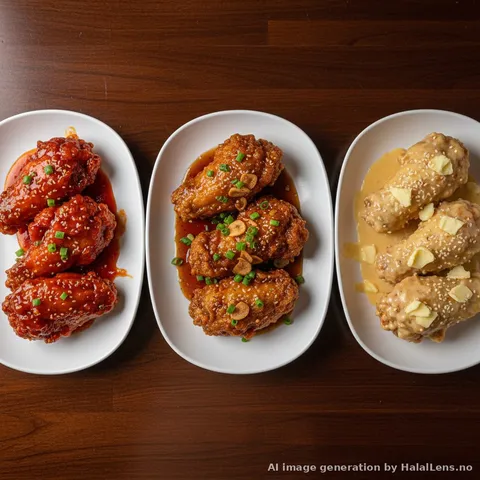
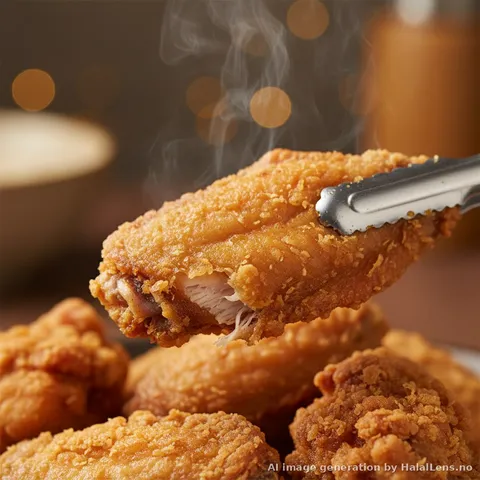
Halal Korean fried chicken with double-frying technique for ultra-crispy skin. Three sauce variants: Yangnyeom (sweet-spicy), Soy Garlic, and Honey Butter. The signature crunch that made Korean fried chicken a global sensation.
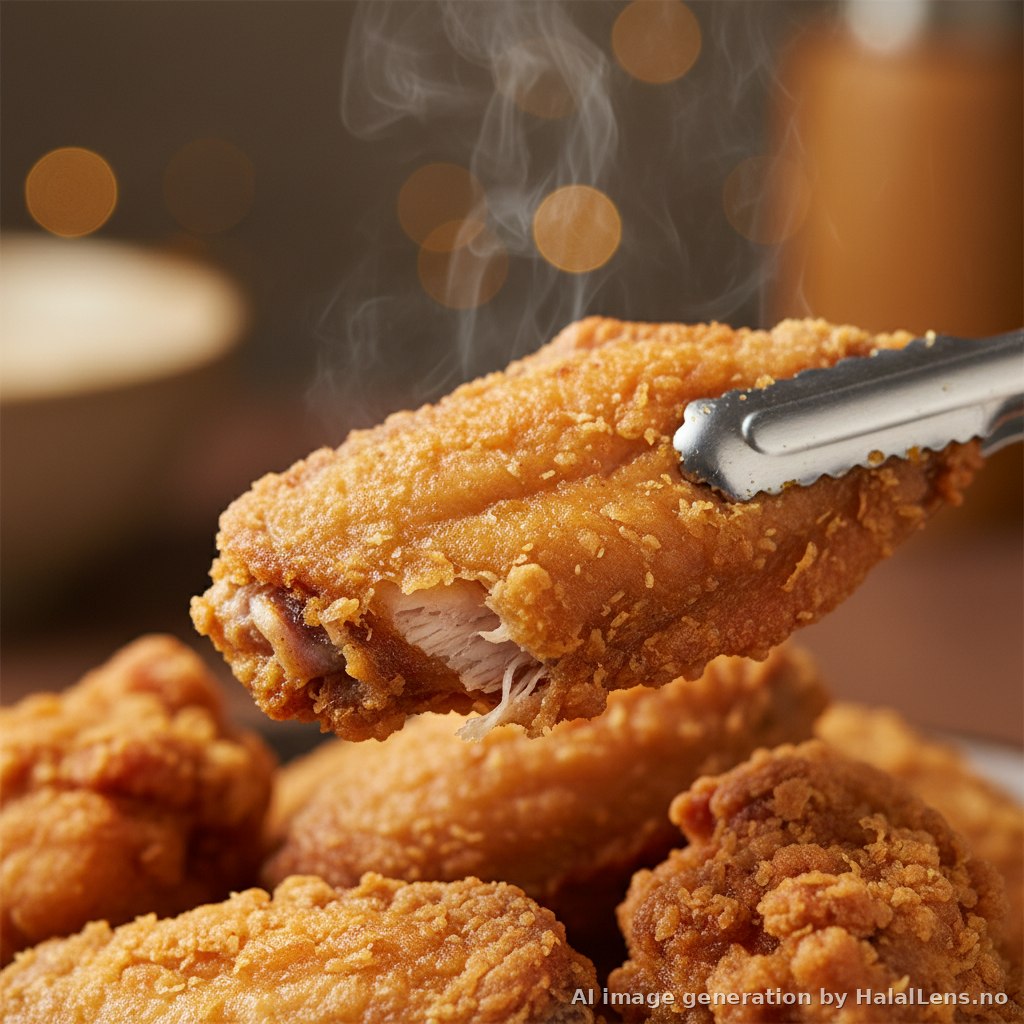
Korean Fried Chicken (KFC) stands as one of South Korea's most iconic culinary exports, celebrated worldwide for its impossibly crispy skin, tender meat, and bold flavor profiles. Born from post-war necessity and perfected through decades of innovation, this halal-adapted recipe honors the traditional double-frying technique while presenting three beloved variants: Yangnyeom (sweet-spicy), Soy Garlic, and Honey Butter.
The story of Korean fried chicken begins on the battlefields of the 1950s Korean War. American soldiers stationed in South Korea introduced the method of deep-frying chicken to locals, seeking comfort food that reminded them of home. When turkey proved unavailable for Thanksgiving celebrations, resourceful soldiers turned to local chickens, deep-frying them with cooking oil supplied by the U.S. military. The result was a revelation—crispy, golden chicken that would plant the seeds for a culinary revolution.
Yet the modern Korean fried chicken we know today didn't emerge until the 1970s, when cooking oil became widely available in South Korea. One of the early Korean fried chicken franchises, Lims Chicken, emerged in the late 1970s. Lims Chicken pioneered the signature double-frying technique—frying chicken first at a lower temperature (around 150°C/300°F) to cook the meat and render fat, then again at a higher temperature (around 180°C/350°F) to achieve that shattering, long-lasting crispiness without drying out the meat. This method, a departure from American-style single-fry chicken, became the defining characteristic of Korean fried chicken.
From Local Phenomenon to Global Icon
By the 1980s and 1990s, Korean fried chicken had evolved beyond its American roots into something distinctly Korean. Restaurants began experimenting with sauces—yangnyeom (sweet-spicy), soy garlic, honey butter—each transforming the crispy chicken into a vehicle for complex, layered flavors. The trend of "chimaek" (chicken + maekju, Korean for beer) emerged, pairing fried chicken with beer — beer is haram, so for a halal take on the ritual pair it with a cold sparkling drink or barley tea instead. By the 2000s, Korean fried chicken chains like Bonchon, Pelicana, and Kyochon had begun expanding internationally, riding the wave of Hallyu (Korean Wave) cultural exports.
The global breakout came in the 2010s, fueled by K-dramas showcasing late-night chimaek scenes and food influencers raving about the crunch. In the U.S., Yangnyeom Chicken earned cult status, with its glossy, sticky, sweet-spicy sauce contrasting against ultra-crispy skin. Soy garlic became the gateway flavor—mildly sweet, savory, garlicky, approachable for Western palates. Honey butter, a more recent innovation, offered indulgent richness: buttery, honeyed, nutty with sesame. By 2026, Korean fried chicken has transcended its "other KFC" novelty status to stand as a legitimate global comfort food, with dedicated restaurants from Los Angeles to London, Jakarta to Dubai.
Halal Adaptation Notes
Traditional Korean fried chicken recipes often marinate chicken in rice wine (mirim) or soju for tenderization. Our halal adaptations substitute apple juice or white grape juice, which provide similar acidity and sweetness without alcohol. Chicken must be halal-certified (hand-slaughtered, properly drained). Gochujang and gochugaru must be verified alcohol-free and gelatin-free—most Korean brands meet this standard, but always check labels. Soy sauce should be naturally brewed (not containing alcohol residue). With these swaps, halal Korean fried chicken retains the signature crunch and flavor complexity that made it famous.
Recipe Snapshot
| Yield | 4 servings (12-16 pieces per variant) |
|---|---|
| Prep time | 30 minutes (plus 2-4 hours marination) |
| Cook time | 25 minutes (double-frying) |
| Total time | 55 minutes (plus marination) |
| Cuisine | Korean |
Ingredients
We present three sauce variants—Yangnyeom, Soy Garlic, and Honey Butter—all using the same crispy fried chicken base. Master the double-fry technique first, then choose your sauce adventure. For "ban ban" (half-and-half), split the fried chicken and toss half in one sauce, half in another.
Fried Chicken Base (for all variants)
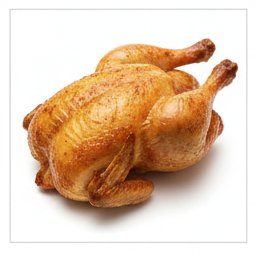 |
Halal chicken
1.2kg (2.5 lbs) chicken wings, drumettes and flats separated, or whole wings
|
MUSHBOOH |
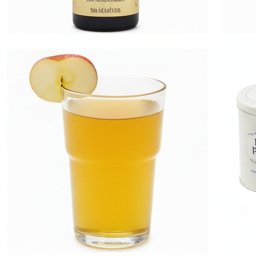 |
Apple juice (or white grape juice)
3 tablespoons (halal substitute for rice wine)
|
HALAL |
|
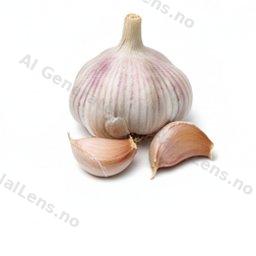
Garlic
4 cloves, minced (for marinade)
|
HALAL |
|
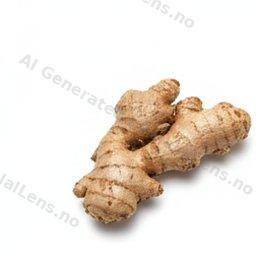
Fresh ginger
1 tablespoon, grated (for marinade)
|
HALAL |
|
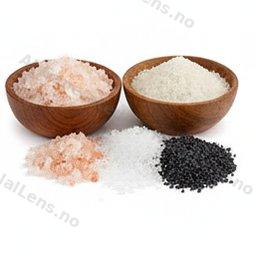
Salt
1 teaspoon
|
HALAL |
|
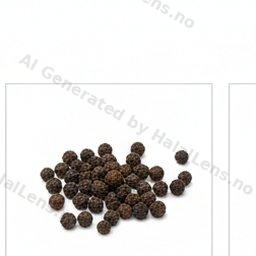
Black pepper
½ teaspoon, freshly ground
|
HALAL |
Coating (for double-frying)
|
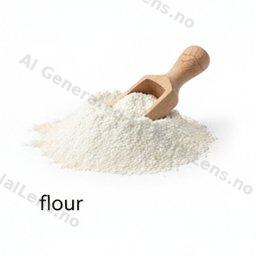
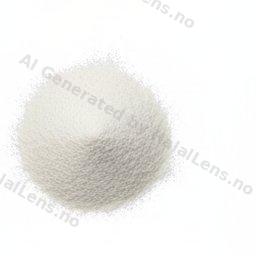
All-purpose flour
½ cup (60g)
|
HALAL |
|
Cornstarch (or potato starch)
½ cup (60g)
|
HALAL |
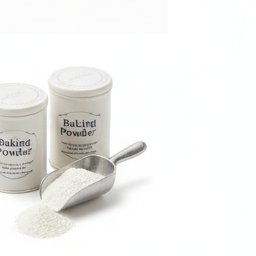 |
Baking powder
1 teaspoon (for extra crispiness)
|
MUSHBOOH |
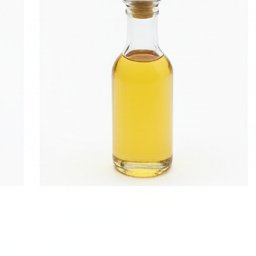 |
Vegetable oil
For deep-frying (about 2 liters/8 cups)
|
HALAL |
Sauce Variant 1: Yangnyeom (Sweet-Spicy)
|
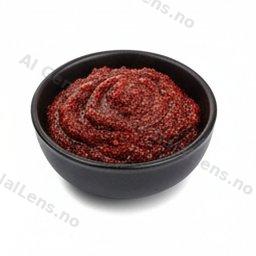
Gochujang (Korean chili paste)
3 tablespoons (verify halal certification)
|
MUSHBOOH |
|
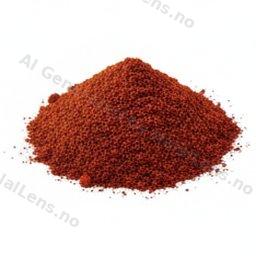
Gochugaru (Korean chili flakes)
1 tablespoon
|
HALAL |
|
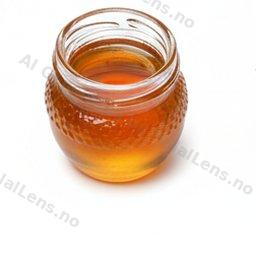
Honey
3 tablespoons
|
HALAL |
 |
Soy sauce
2 tablespoons
|
HALAL |
|
|
Garlic
4 cloves, minced
|
HALAL |
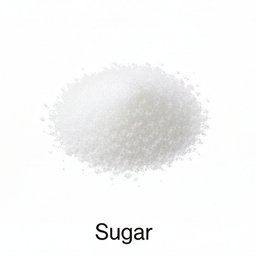 |
Sugar
2 tablespoons
|
HALAL |

|
Ketchup
1 tablespoon (adds tomato tang)
|
HALAL |

|
Sesame oil
1 teaspoon
|
HALAL |
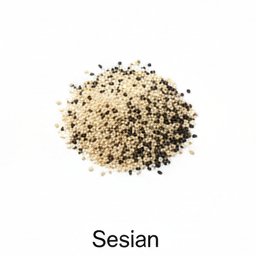 |
Sesame seeds
1 tablespoon, toasted (for garnish)
|
HALAL |
Sauce Variant 2: Soy Garlic
|
Soy sauce
¼ cup (60ml)
|
HALAL |
|
|
Garlic
8 cloves, minced
|
HALAL |
|
|
Honey
3 tablespoons
|
HALAL |
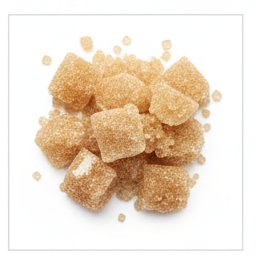 |
Brown sugar
2 tablespoons
|
HALAL |

|
Water
2 tablespoons
|
HALAL |
|
|
Sesame oil
1 teaspoon
|
HALAL |
|
Sesame seeds
1 tablespoon, toasted (for garnish)
|
HALAL |
Sauce Variant 3: Honey Butter
|
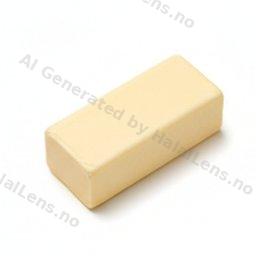
Butter
4 tablespoons (½ stick), melted
|
HALAL |
|
|
Honey
3 tablespoons
|
HALAL |
|
|
Garlic
4 cloves, minced
|
HALAL |
|
Soy sauce
1 tablespoon
|
HALAL |
|
Sesame seeds
2 tablespoons, toasted (for garnish)
|
HALAL |
Method
Part 1: Marinate Chicken
- Prepare chicken: Pat chicken wings dry with paper towels—moisture is the enemy of crispiness. If using whole wings, separate into drumettes and flats (discard wing tips or save for stock). Score the meatiest parts of each piece with shallow diagonal cuts (2-3 slashes per piece). This helps marinade penetrate and ensures even cooking.
- Marinate: In a large bowl, combine apple juice (3 tbsp), minced garlic (4 cloves), grated ginger (1 tbsp), salt (1 tsp), and black pepper (½ tsp). Add chicken, toss to coat. Cover and refrigerate for 2-4 hours, or overnight for maximum flavor. The acid in apple juice tenderizes the meat while garlic and ginger infuse aromatic depth.
Part 2: Double-Fry for Maximum Crunch
- Prepare coating: In a large bowl, whisk together all-purpose flour (½ cup), cornstarch or potato starch (½ cup), and baking powder (1 tsp). The 1:1 flour-to-starch ratio is critical—flour provides structure, starch creates crispiness, baking powder adds airy bubbles that shatter when bitten. Do not add liquid; this is a dry coating.
- Coat chicken: Remove marinated chicken from fridge. Working piece by piece, shake off excess marinade (leave chicken slightly damp—the moisture helps coating adhere), then dredge in the flour-starch mixture, pressing firmly to ensure even coverage. Shake off excess. Place coated wings on a wire rack set over a baking sheet. Let rest for 10 minutes—this allows the coating to hydrate and adhere, preventing it from falling off during frying.
- First fry (low temp, cook through): In a large, deep pot or wok, heat vegetable oil to 150°C/300°F (use a thermometer—temperature control is everything). Working in batches of 4-6 pieces (do not crowd), carefully lower chicken into oil. Fry for 8-10 minutes, turning occasionally, until chicken is cooked through (internal temp 74°C/165°F) and coating is pale golden but not crispy yet. The goal here is gentle cooking—driving out moisture from the skin without browning. Remove chicken to a wire rack. Repeat with remaining batches.
- Rest (crucial step): Let first-fried chicken rest on the wire rack for at least 10 minutes, up to 1 hour. During this rest, the chicken cools, the coating sets, and residual moisture evaporates. This rest period is what separates Korean fried chicken from American—it ensures the second fry creates maximum crunch.
- Second fry (high temp, crisp up): Increase oil temperature to 180°C/350°F. Return chicken to the oil in batches, frying for 3-5 minutes until the coating turns deep golden brown and shatters audibly when tapped with tongs. The high heat sets the starch into a glass-like crust. Remove to a clean wire rack. The chicken should be aggressively crispy—almost too crunchy to bite through. This is correct.
Part 3: Make Sauce & Toss
For Yangnyeom (Sweet-Spicy):
- Cook sauce: In a medium saucepan over medium heat, combine gochujang (3 tbsp), gochugaru (1 tbsp), honey (3 tbsp), soy sauce (2 tbsp), minced garlic (4 cloves), sugar (2 tbsp), ketchup (1 tbsp), and sesame oil (1 tsp). Stir constantly for 3-4 minutes until the sauce bubbles, thickens, and becomes glossy. The gochujang and gochugaru provide fermented heat, honey and sugar balance with sweetness, ketchup adds tang. Remove from heat.
- Toss chicken: Add hot double-fried chicken to the sauce. Using tongs, toss gently but thoroughly, ensuring every piece is coated in the sticky, red glaze. The sauce will cling to the crispy coating without sogging it (thanks to the double-fry). Transfer to a serving platter, sprinkle with toasted sesame seeds. Serve immediately with pickled radish (danmuji) and a chilled sparkling drink or barley tea.
For Soy Garlic:
- Cook sauce: In a saucepan, combine soy sauce (¼ cup), minced garlic (8 cloves—yes, 8!), honey (3 tbsp), brown sugar (2 tbsp), water (2 tbsp), and sesame oil (1 tsp). Simmer over medium heat for 4-5 minutes, stirring frequently, until the sauce reduces by one-third and becomes thick and syrupy. The high garlic ratio is intentional—it mellows as it cooks, becoming sweet and nutty. Remove from heat.
- Toss chicken: Add hot fried chicken to the sauce, toss to coat. The soy garlic glaze should be translucent, shiny, deeply savory. Garnish with toasted sesame seeds. This variant is milder than yangnyeom—perfect for garlic lovers and those who prefer less spice.
For Honey Butter:
- Make sauce: In a large bowl, whisk together melted butter (4 tbsp), honey (3 tbsp), minced garlic (4 cloves), and soy sauce (1 tbsp). The sauce will be thin and golden—this is correct. The butter adds richness, honey adds sweetness, soy adds umami depth.
- Toss chicken: Add hot fried chicken directly to the honey butter sauce, toss to coat. Unlike yangnyeom or soy garlic (which are cooked), honey butter is tossed raw, allowing the residual heat from the chicken to barely warm it. Sprinkle generously with toasted sesame seeds (2 tbsp). The result: buttery, honeyed, nutty, indulgent—a modern innovation that has become a Korean fried chicken staple.
Tips & Variations
- Double-frying is non-negotiable: The first fry cooks the chicken and removes moisture; the second fry creates the signature Korean crunch. Skipping the rest period between fries will result in soggy coating.
- Temperature precision: Use a thermometer. Frying below 150°C/300°F for the first fry will result in greasy chicken; frying above 180°C/350°F for the second fry will burn the coating before the chicken crisps.
- Cornstarch vs. potato starch: Both work, but potato starch (the traditional Korean choice) produces a slightly lighter, crisper crust. Cornstarch is more readily available in Western markets and delivers excellent results.
- Ban Ban (half-and-half): To serve two flavors, split the fried chicken in half after the second fry. Toss half in yangnyeom, half in soy garlic. This is the classic Korean fried chicken restaurant presentation—best of both worlds.
- Bone-in vs. boneless: This recipe uses bone-in chicken wings for authentic texture and flavor. For boneless, use chicken thigh cubes (cut into 1-inch pieces)—adjust first fry time to 6-7 minutes.
- Sauce intensity: Korean fried chicken sauce should be bold. If yangnyeom is too spicy, reduce gochugaru to ½ tbsp; if soy garlic is too sweet, increase soy sauce to 5 tbsp and reduce honey to 2 tbsp.
- Make-ahead: First-fried chicken can be refrigerated for up to 24 hours before the second fry. Bring to room temperature (30 minutes) before second frying. Sauces can be made 1 week ahead and refrigerated; reheat before tossing.
- Serving suggestions: Korean fried chicken is traditionally paired with pickled radish (danmuji or chicken-mu), which cuts through the richness, and — skipping the alcoholic “chimaek” pairing — a chilled sparkling drink or barley tea. Coleslaw and potato wedges are also popular sides.
- Leftovers: Reheat in a 200°C/400°F oven for 8-10 minutes to restore crispiness. Do not microwave—it will steam and sog the coating.
AI disclosure: This recipe article was drafted with AI assistance and reviewed by HalalLens for accuracy and halal compliance.