Malatang: Chinese Numbing Spicy Hot Pot (Viral in Japan 2025)
Discover authentic Sichuan malatang (麻辣烫), the customizable spicy hot pot trending in Japan 2025-2026. Build your own bowl with noodles, meats, and vegetables in numbing-spicy broth - fully halal-adapted!
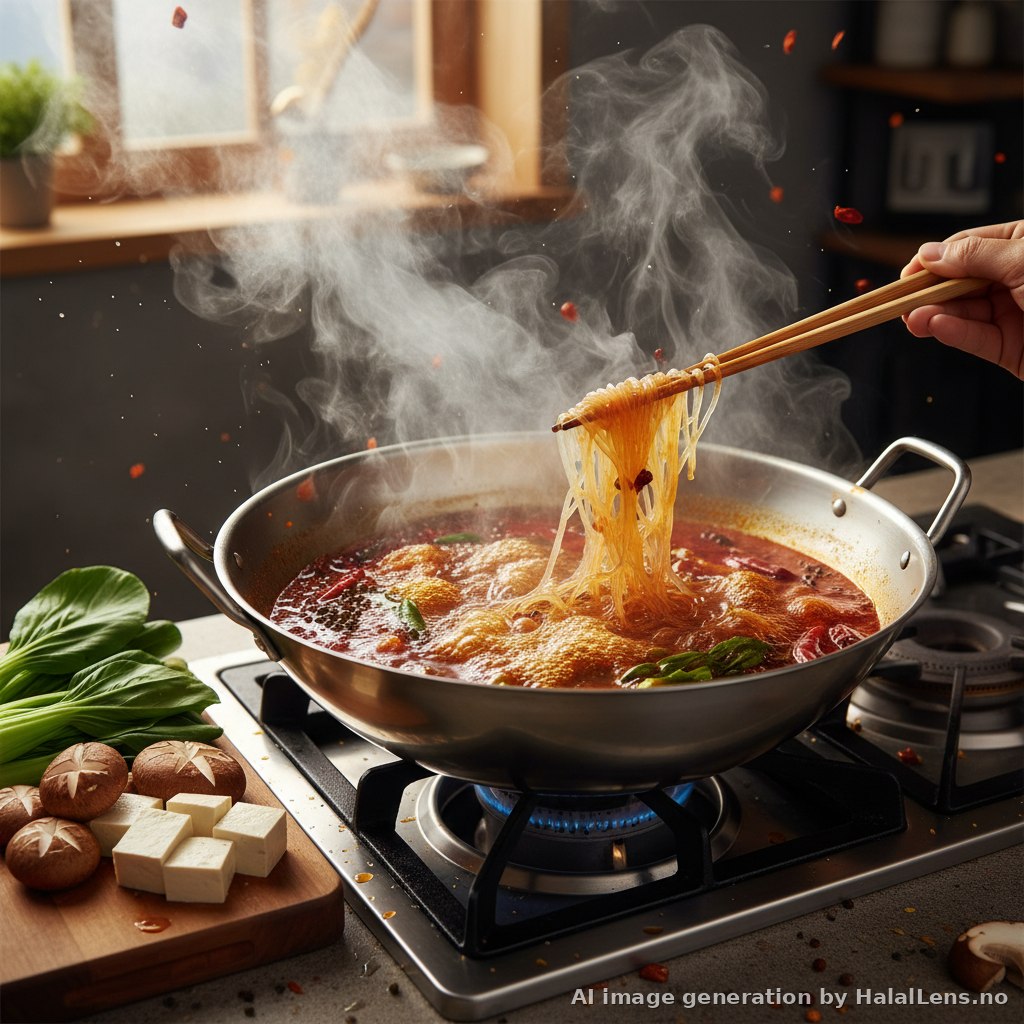
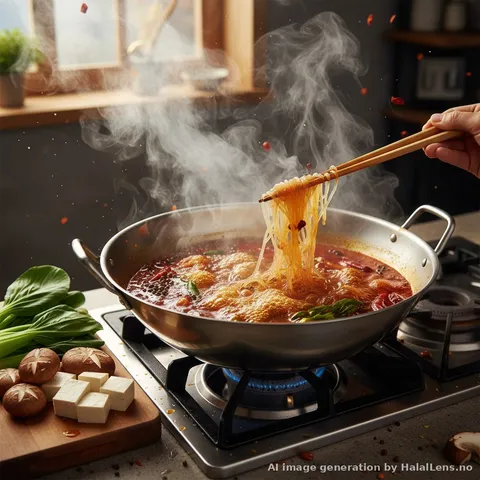
Malatang (麻辣烫), literally "numbing-spicy-hot," is China's beloved street food phenomenon that has captured the hearts of young Japanese diners in 2025-2026. This customizable personal hot pot allows you to choose your favorite ingredients—noodles, vegetables, meats, seafood, and tofu—cooked to order in a fiery Sichuan broth infused with tongue-tingling Sichuan peppercorns and chili oil, creating an addictive combination of heat and numbing sensation that defines authentic Sichuanese cuisine.
Unlike traditional Chinese hot pot that requires groups gathering around a communal pot for hours of self-cooking, malatang vendors cook ingredients to order, serving everything in a personal bowl with piping hot broth. This fast-casual format emerged from Sichuan's narrow street stalls where vendors displayed pre-skewered ingredients buffet-style, allowing customers to quickly select items by weight or skewer count—a brilliant adaptation that transformed leisurely hot pot into accessible street food.
Malatang has become one of the top trending foods among young people in Japan, driven by social media sharing and the appeal of customizable spicy experiences. The dish's meteoric rise reflects broader Asian food trends where authentic regional Chinese cuisines are displacing generic "Chinese food," with diners seeking the genuine numbing heat (má) and chili burn (là) that characterize real Sichuan cooking.
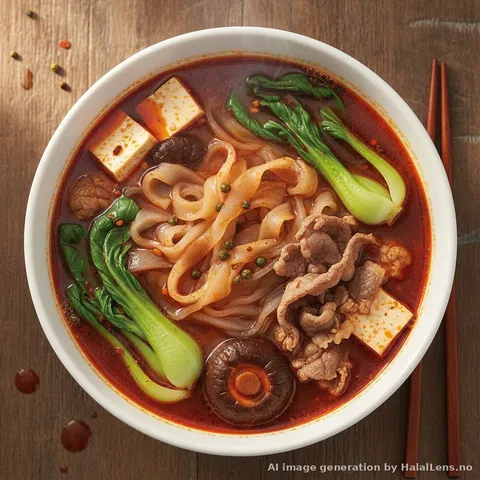
From Sichuan Streets to Global Phenomenon
Malatang's roots lie in Sichuan province's vibrant street food culture, where vendors needed to serve the region's signature flavors quickly and affordably. The genius of malatang lies in its assembly: ingredients are pre-threaded on bamboo skewers for easy grabbing, dunked into a massive pot of bubbling spicy broth, then transferred to individual bowls with ladles of that intensely flavored liquid. This system allows vendors to serve dozens of customers from cramped stalls and carts, making premium hot pot flavors accessible to students and workers on limited budgets.
The name itself tells the story: "má" (麻) refers to the distinctive numbing sensation from Sichuan peppercorns that makes your tongue tingle and heightens other flavors, "là" (辣) means the fiery heat from chili peppers, and "tàng" (烫) simply means "scalding hot." Together, they describe the multi-dimensional flavor assault that makes this dish so addictive. As China Sichuan Food explains, authentic malatang broth requires frying massive quantities of dried chilies and Sichuan peppercorns in beef fat with doubanjiang (fermented broad bean chili paste), creating a deeply complex base that's simultaneously numbing, spicy, savory, and slightly sweet.
What sets malatang apart from regular hot pot is not just the individual serving size, but the intensity of the broth. Since vendors reuse and continuously add to their master broths throughout the day—sometimes for years—the liquid becomes exponentially more flavorful, developing layers of complexity impossible to achieve at home in a single session. This "perpetual stew" tradition, common in Chinese cooking, means that the best malatang comes from vendors who've been perfecting their broth for decades.
The dish's explosion in Japan represents a fascinating cultural exchange. Food observers note that malatang has surpassed previous Chinese food trends, with specialized malatang restaurants opening across Tokyo and Osaka. Japanese diners appreciate both the customization aspect (choosing exact ingredients and spice levels) and the communal-yet-individual experience that aligns with modern dining preferences.
Halal Adaptation Notes
Our halal adaptation of malatang preserves the authentic Sichuan flavor profile while ensuring complete compliance. The key modifications include using halal-certified beef or chicken instead of pork, which is traditional in many Sichuan recipes. We use vegetable oil or halal-certified beef tallow instead of regular lard for frying the aromatics. All sauces including doubanjiang (fermented bean paste), soy sauce, and any flavor enhancers must be halal-certified, as some commercial versions contain alcohol or non-halal derivatives. The Sichuan peppercorns, dried chilies, and all spices are naturally halal. This recipe delivers the full má-là experience without compromising halal standards, making it accessible to Muslim diners worldwide who want to experience this viral Chinese street food trend.
Recipe Snapshot
| Yield | 4 servings |
|---|---|
| Prep time | 30 minutes |
| Cook/Bake time | 45 minutes |
| Total time | 75 minutes |
| Cuisine | Sichuan Chinese |
Ingredients
Malatang's beauty is customization—choose your favorite proteins, vegetables, and noodles. The spicy numbing broth is the star, made with Sichuan peppercorns and chili oil for authentic má-là flavor.
Malatang Broth Base
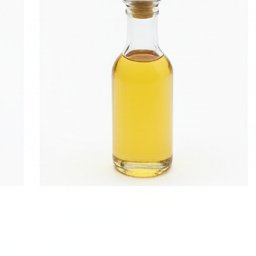 |
Vegetable oil or halal beef tallow
1/2 cup (120ml)
|
HALAL |
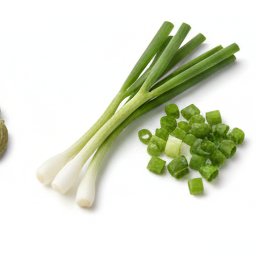 |
Green onions (scallions)
4 stalks, cut into 2-inch pieces
|
HALAL |
|
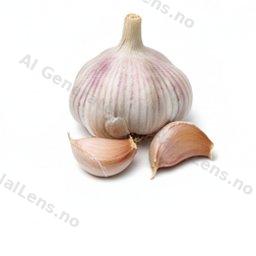
Garlic
8 cloves, smashed
|
HALAL |
|
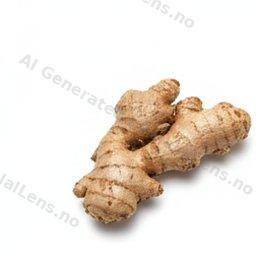
Ginger
2-inch piece, sliced
|
HALAL |
|
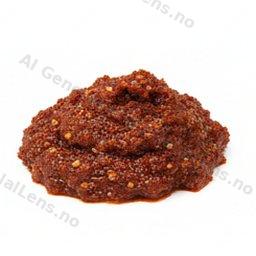
Doubanjiang (fermented broad bean chili paste, halal-certified)
1/2 cup (120g)
|
MUSHBOOH |
 |
Dried Sichuan peppercorns
1/4 cup, soaked in water 40 minutes
|
HALAL |
 |
Dried red chilies
1 cup, soaked in water 40 minutes, chopped
|
HALAL |

|
Chili oil
1/4 cup (for finishing)
|
HALAL |
 |
Sugar
2 tablespoons
|
HALAL |
|
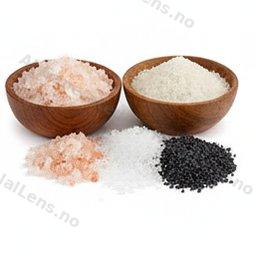
Salt
2 teaspoons
|
HALAL |
 |
Light soy sauce (halal-certified)
3 tablespoons
|
MUSHBOOH |
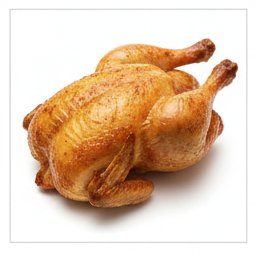 |
Chicken or vegetable stock
8 cups (2 liters), halal-certified
|
MUSHBOOH |
Malatang Ingredients (Choose Your Favorites)
|
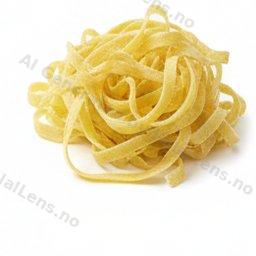
Wide sweet potato noodles (kuānfěn) or rice noodles
200g dried
|
HALAL |
|
Halal beef or chicken
300g, thinly sliced
|
MUSHBOOH |
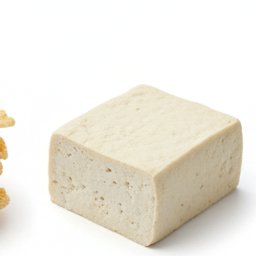 |
Firm tofu
200g, cubed
|
HALAL |
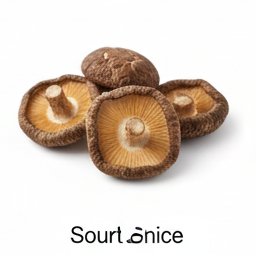 |
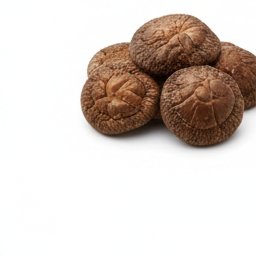
Shiitake mushrooms
8-10 pieces, fresh or rehydrated
|
HALAL |
|
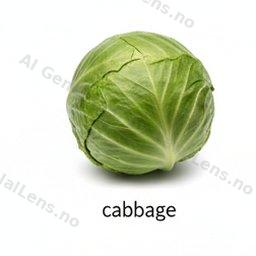
Bok choy or Napa cabbage
2 heads, cut into quarters
|
HALAL |
|
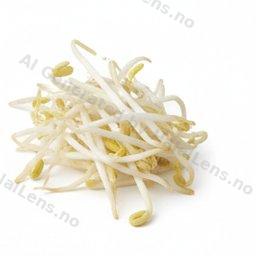
Bean sprouts
1 cup
|
HALAL |
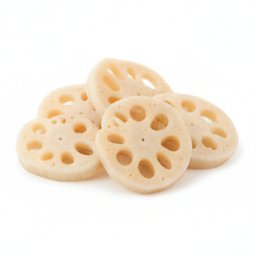 |
Lotus root
100g, thinly sliced (optional)
|
HALAL |
Method
- Prepare aromatics: Soak Sichuan peppercorns and dried red chilies in separate bowls of water for 40 minutes to soften and prevent burning. Drain and chop the chilies roughly. This soaking step is crucial—it allows the spices to release their flavors gradually into the oil without scorching, which would create bitter notes instead of the desired fruity heat.
- Build the flavor base: In a large wok or pot, heat oil over medium heat. Add green onion pieces, smashed garlic, and sliced ginger. Fry gently for 5 minutes until fragrant and the onions turn golden—you're infusing the oil with aromatics that form the backbone of your broth. These won't be eaten; they're purely for flavoring the oil.
- Bloom the doubanjiang: Add the doubanjiang (fermented broad bean chili paste) to the aromatic oil. This is the heart of Sichuan flavor—reduce heat to the lowest setting and fry the paste slowly for 10-15 minutes, stirring constantly. The oil should gradually turn a deep brick-red color as the paste releases its complex fermented flavors. Be patient; rushing this step results in raw-tasting broth.
- Add soaked spices: Stir in the drained Sichuan peppercorns and chopped rehydrated chilies. The water they absorbed prevents burning while the heat drives out moisture, concentrating flavors. Fry for another 10 minutes on low heat, stirring frequently. The mixture should be fragrant with numbing and spicy aromas—this is authentic má-là developing.
- Season and simmer: Add sugar (it balances heat and enhances umami), salt, and light soy sauce to the spice-oil mixture. Stir well, then pour in the chicken or vegetable stock. Bring to a boil, then reduce to a gentle simmer. Let this simmer for 30 minutes minimum—longer is better, as flavors meld and deepen. Traditional vendors simmer for hours or even days, continuously building flavor.
- Prepare ingredients: While broth simmers, prep your malatang ingredients. If using dried sweet potato noodles, soak in warm water for 15 minutes. Slice beef or chicken paper-thin (partially freezing makes this easier). Cut tofu into bite-sized cubes. Clean and trim mushrooms. Wash bok choy thoroughly and quarter lengthwise. Arrange everything on a platter for easy access—authenticity means customization.
- Cook ingredients in batches: Bring the broth to a rolling boil. Using a spider strainer or slotted spoon, cook ingredients in batches according to their cooking times. Start with noodles (2-3 minutes for sweet potato noodles), then proteins (1-2 minutes for thinly sliced meat), then firm vegetables like lotus root (3-4 minutes), followed by leafy greens and bean sprouts (30 seconds to 1 minute). Keep everything moving to ensure even cooking.
- Assemble bowls: Divide cooked noodles among 4 serving bowls as the base. Top with your selection of cooked proteins, tofu, vegetables, and mushrooms. This is where personal preference shines—some like mostly vegetables, others prefer protein-heavy bowls. There's no wrong way to assemble malatang as long as you love what's in your bowl.
- Ladle broth and finish: Pour generous amounts of the spicy numbing broth over each bowl—the liquid is as important as the solids. Drizzle each bowl with additional chili oil for extra heat and that signature red sheen. Garnish with fresh cilantro, chopped green onions, and extra Sichuan peppercorns if desired. Serve immediately while piping hot—the name literally includes "scalding hot" for a reason.
- Eat and customize: Provide small dishes of chili oil, vinegar, and sesame paste on the side so diners can adjust flavors to their preference. Some like adding vinegar for tang, others want even more heat from chili oil. The beauty of malatang is that everyone gets exactly what they want, from mild to mouth-numbing levels of spice. Mix everything together and enjoy the complex interplay of numbing, spicy, savory, and umami flavors.
Tips & Variations
- Adjust spice level: For mild malatang, reduce dried chilies to 1/2 cup and Sichuan peppercorns to 2 tablespoons. For nuclear-level heat that matches authentic Sichuan street vendors, double both. You can also offer plain broth alongside spicy broth for timid eaters—many malatang shops provide both options.
- Noodle choices: Wide sweet potato noodles (kuānfěn) are traditional and beloved for their bouncy, chewy texture that holds onto the spicy broth. Alternatives include rice noodles, glass noodles, or even instant ramen noodles. Each brings a different texture—experiment to find your favorite.
- Vegetarian version: Skip meat and load up on tofu varieties (silken, firm, fried tofu puffs), mushrooms (shiitake, enoki, wood ear), and vegetables. The broth itself is naturally vegetarian if you use vegetable stock, making this an excellent plant-based meal that still delivers intense flavor.
- Protein variety: Beyond beef and chicken, try fish balls, shrimp, squid, quail eggs, or Chinese sausage (ensure halal-certified versions). Traditional malatang shops offer 30+ ingredient choices—the more variety, the more authentic the experience.
- Make-ahead broth: The spicy oil base (steps 1-5) can be made 3 days ahead and refrigerated. In fact, it improves with time as flavors marry. Store in an airtight container and reheat before adding stock and cooking ingredients. Some cooks make huge batches and freeze portions for instant malatang nights.
- Dry vs. soup style: Traditional malatang is soupy, but "má-là-tàng-gān" (dry malatang) is also popular. After cooking ingredients in the broth, drain most of the liquid and toss everything with sesame paste, peanut butter, chili oil, and aromatics for a drier, more intensely flavored version that's easier to eat on-the-go.
- Leftover broth: Don't discard leftover broth! Strain out solids and freeze in portions. It becomes even more flavorful after a day or two. Use it for stir-fries, braising, or as a base for other Sichuan dishes like shuǐzhǔ (water-cooked) beef or fish. Like a perpetual stew, it gets better with age and use.
- Sesame paste dipping sauce: Mix Chinese sesame paste (or tahini) with soy sauce, rice vinegar, sugar, and a little hot water to create a creamy dipping sauce. Drizzle over your malatang for added richness and to temper the heat slightly—this is very popular among Japanese diners new to extreme Sichuan spice.
AI disclosure: This recipe article was drafted with AI assistance and reviewed by HalalLens for accuracy and halal compliance.