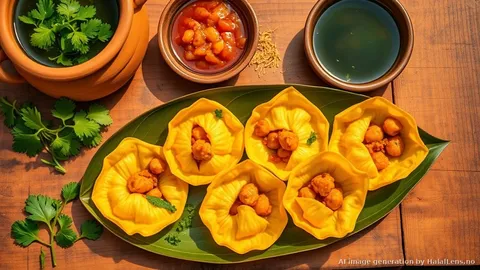
Stamppot Boerenkool (Dutch Mashed Potatoes with Kale)
Netherlands' beloved comfort food since the 1574 Leiden relief. Creamy mashed potatoes mixed with tender kale, served with smoked sausage and rich gravy. Dutch soul food embodying gezelligheid.
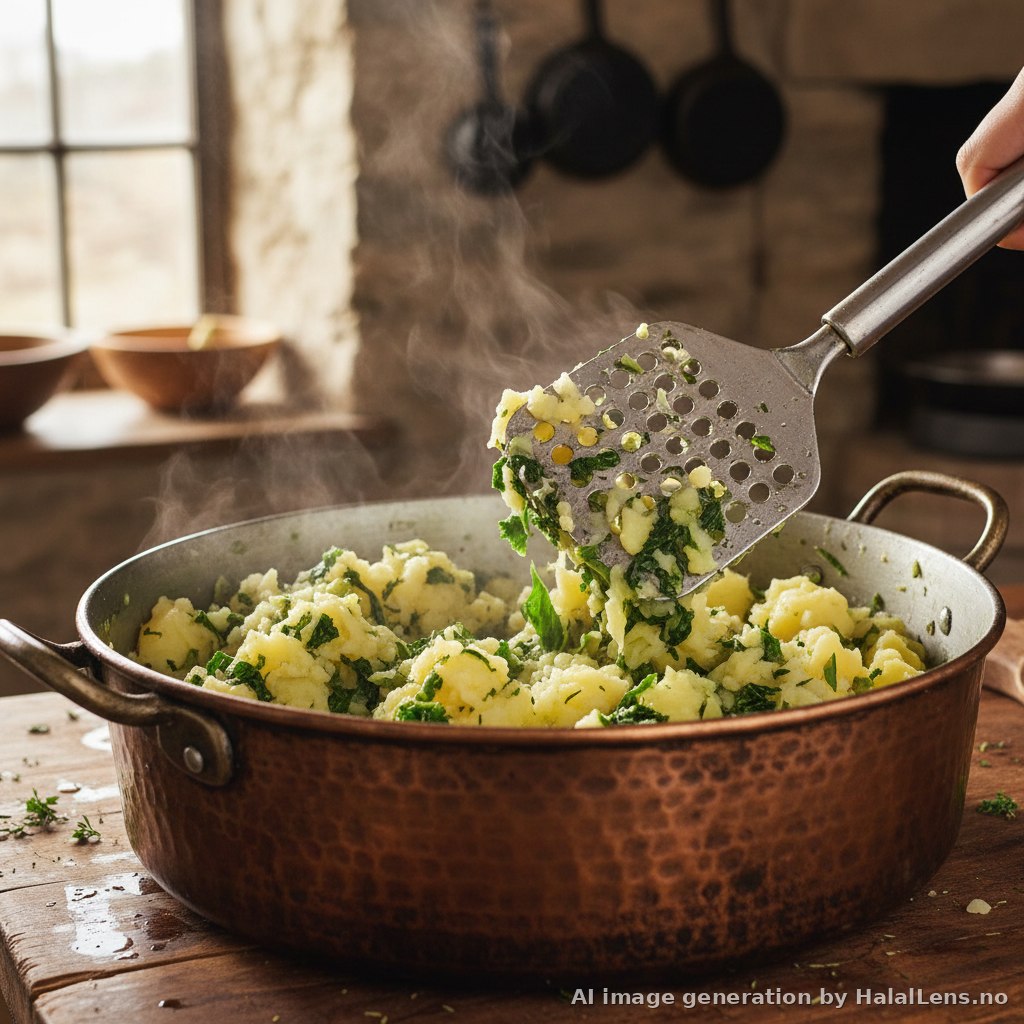
Stamppot represents Dutch comfort food at its most essential—creamy mashed potatoes mixed with vegetables, crowned with smoked sausage and rich gravy. This rustic one-pot meal embodies Dutch practicality: warming, filling, economical, perfect for cold North Sea winters. Born from centuries of peasant cooking and immortalized by the 1574 Leiden relief, stamppot remains a beloved staple in Dutch homes, gezellig cafés, and nostalgic expat kitchens worldwide.
The word "stamppot" translates literally as "mashed pot"—stamp (Dutch for "mash") meets pot (pot). Dutch stamppot traditions date back centuries, but the dish gained legendary status on October 3, 1574, when Spanish siege forces abandoned Leiden after months of starvation. Relief troops found a pot of hutspot (carrot-onion stamppot) left behind by fleeing Spaniards—this meal saved the starving city. Today, Leiden celebrates October 3rd annually with hutspot and herring, commemorating the relief. The dish spread throughout the Netherlands, evolving regional variants: boerenkool (kale), zuurkool (sauerkraut), andijvie (endive), rauwe andijvie (raw endive), hete bliksem ("hot lightning" with apples).
Traditional stamppot follows a simple formula: boil potatoes and vegetables together until tender, drain, mash coarsely with butter and milk, season generously, serve with rookworst (smoked sausage) and jus (gravy). The result should be rustic—chunky mash studded with vegetables, not smooth purée. The key to great stamppot is proportions: roughly equal parts potato and vegetable, generous butter and milk, and coarse mashing that leaves texture. This recipe focuses on **Stamppot Boerenkool**, the kale variant most beloved by Dutch households, featuring dark leafy greens that turn tender-sweet when boiled and mashed with starchy potatoes.

From Peasant Fare to National Icon
Stamppot's appeal lies in its humble honesty. Unlike French haute cuisine or Italian finesse, Dutch cooking embraces simplicity: good ingredients, minimal fuss, maximum comfort. Stamppot epitomizes this philosophy—potatoes (cheap, filling), seasonal vegetables (whatever's abundant), sausage (protein), gravy (flavor). No fancy techniques, no exotic spices, just straightforward nourishment. Yet this simplicity creates profound satisfaction: creamy potatoes enriched with butter, slightly bitter kale softened by cooking, smoky sausage adding savory depth, gravy tying everything together.
Modern stamppot culture thrives. Every Dutch grandmother has her secret technique (some add cream cheese, others use cream instead of milk, some prefer chunkier mash). Dutch restaurants serve gourmet stamppot with organic vegetables, artisanal sausages, and truffle gravy. Student cafeterias offer budget stamppot for €5. Frozen stamppot kits fill supermarket aisles. The dish even inspired a Dutch proverb: "Lekker stamppotten!" (Nice mashing!), meaning to enjoy simple pleasures. Despite—or because of—its simplicity, stamppot endures as the ultimate Dutch comfort food.
Halal Adaptation Notes
Stamppot vegetables and base ingredients are inherently halal: potatoes, kale, carrots, onions, butter, milk—all permissible. The challenge: **rookworst (smoked sausage)**. Traditional Dutch rookworst is pork-based, rendering it haram. Solution: use halal-certified smoked sausage (beef, chicken, or turkey versions available from halal butchers and Middle Eastern grocers) OR substitute with halal breakfast sausage, merguez, or even skip sausage entirely for vegetarian stamppot. **Gravy** must be halal: avoid beef/chicken gravies with non-halal additives or pork gelatin; make homemade gravy from halal stock, or use vegetarian mushroom gravy. With these simple swaps, stamppot becomes fully halal-compliant while preserving authentic Dutch character.
Recipe Snapshot
| Yield | 4 servings |
|---|---|
| Prep time | 15 minutes |
| Cook time | 30 minutes |
| Total time | 45 minutes |
| Cuisine | Dutch |
Ingredients
Stamppot Base
|
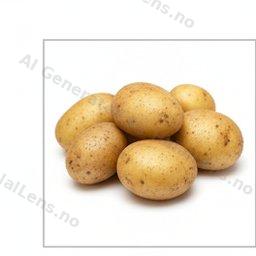
Potatoes
2 lbs (900g), floury/starchy type (Russet, Yukon Gold), peeled and cubed
|
HALAL |
 |
Kale (boerenkool)
1 lb (450g), stems removed, roughly chopped (substitute: collard greens, spinach)
|
HALAL |
 |
Unsalted butter
4 tablespoons (60g)
|
HALAL |
 |
Whole milk
½ cup (120ml), warmed
|
HALAL |
|
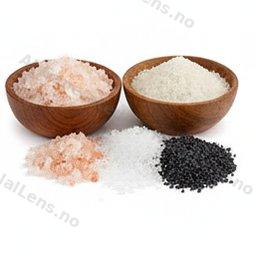
Salt
1½ teaspoons (or to taste)
|
HALAL |
|
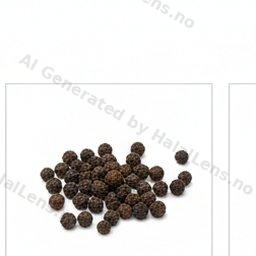
Black pepper
½ teaspoon, freshly ground
|
HALAL |
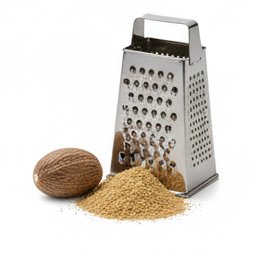 |
Nutmeg
¼ teaspoon, freshly grated (optional but traditional)
|
HALAL |
Sausage & Gravy

|
Smoked sausage (rookworst)
4 links (about 1 lb/450g), halal-certified beef/chicken/turkey sausage
|
MUSHBOOH |
 |
Beef or chicken gravy
1½ cups (375ml), halal-certified or homemade from halal stock
|
MUSHBOOH |

|
Mustard
For serving (traditional Dutch accompaniment)
|
HALAL |
Method
Part 1: Cook Potatoes & Kale
- Boil potatoes: Place cubed potatoes (2 lbs) in a large pot. Cover with cold water by 1 inch. Add 1 teaspoon salt. Bring to a boil over high heat, then reduce to medium and simmer for 10 minutes. The potatoes should be half-cooked at this stage—firm in the center, softening at edges.
- Add kale: Add chopped kale (1 lb) to the pot with potatoes. Push kale down to submerge (it will wilt quickly). Continue simmering for 15-20 minutes, until both potatoes and kale are completely tender. Test potatoes by piercing with fork—should fall apart easily. Kale should be soft, dark green, no longer bitter.
- Drain thoroughly: Drain potatoes and kale in a colander. Let sit for 2-3 minutes to steam off excess moisture—this is crucial. Wet stamppot becomes gluey and unappetizing; dry stamppot stays fluffy and accepts butter/milk beautifully.
Part 2: Mash Stamppot
- Return to pot: Return drained potatoes and kale to the pot (off heat). Add butter (4 tbsp) immediately while vegetables are hot—heat will melt butter into creamy richness.
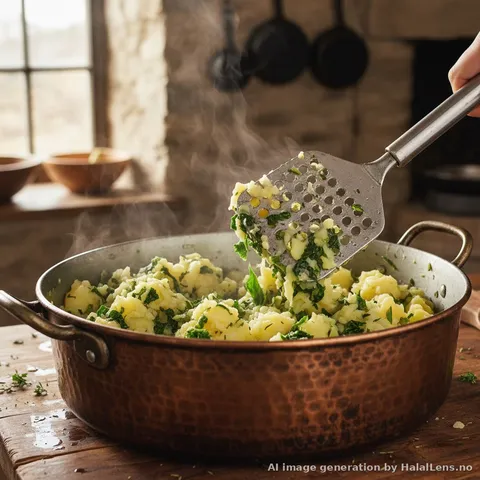
- Mash coarsely: Using a potato masher, mash potatoes and kale together in a rustic, chunky style. Traditional stamppot is NOT smooth—you should see visible chunks of potato, shreds of kale, uneven texture. Mash about 20-30 strokes, no more. Over-mashing creates gluey, gummy texture as potato starch breaks down.
- Add milk and season: Gradually add warm milk (½ cup), stirring with wooden spoon to incorporate. The stamppot should be creamy but thick—not soupy. Add salt (½ tsp, adjust to taste), black pepper (½ tsp), and nutmeg (¼ tsp if using). Taste and adjust seasoning—stamppot needs generous salt to combat blandness. The final texture should be fluffy, chunky, slightly rough—comfort food, not haute cuisine.
Part 3: Prepare Sausage & Assemble
- Cook sausage: While stamppot rests, heat sausages in a separate pan. If using pre-cooked smoked sausage (most rookworst is), simply pan-fry or grill over medium heat for 5-7 minutes, turning occasionally, until browned and heated through. If using raw sausage, cook thoroughly until internal temperature reaches 165°F/74°C. Slice into rounds or serve whole.
- Heat gravy: Warm gravy in a small saucepan over medium heat until steaming. If using store-bought, choose halal-certified brands or make simple gravy from halal beef/chicken stock thickened with flour or cornstarch.
- Serve: Divide stamppot among 4 serving bowls or plates. Create a well (kuiltje) in the center—this is the traditional Dutch presentation. Nestle sliced sausage in the well. Ladle hot gravy over sausage and stamppot, letting it pool in the well. The diner mixes everything together before eating—mashed potatoes, kale, sausage, gravy, all in one glorious spoonful.
- Garnish: Serve with mustard on the side (Dutch tradition is strong mustard with rookworst). Some families add crispy onions or halal beef-bacon bits. Eat while steaming hot—stamppot loses its magic when cold.
Tips & Variations
- Potato choice matters: Use floury/starchy potatoes (Russet, Yukon Gold, Maris Piper) that break down easily and create fluffy mash. Waxy potatoes (red potatoes, fingerlings) stay firm and create lumpy, dense stamppot—wrong texture.
- The mashing technique: Dutch stamppot is intentionally rustic and chunky. Use a potato masher, not a food mill or ricer or immersion blender. You want visible potato chunks, shreds of kale, uneven texture. Smooth stamppot is considered over-processed and loses character.
- Butter ratio: Don't skimp on butter. Traditional stamppot uses generous butter (some recipes call for 100g/½ cup) for richness. Stamppot should taste indulgent, not diet-food.
- Kale alternatives: Boerenkool (curly kale) is traditional, but other greens work: collard greens (similar texture), spinach (milder, more delicate), savoy cabbage (sweeter), mustard greens (spicier). Each creates a different stamppot variant.
- Other stamppot variants: Hutspot (carrot + onion), Zuurkoolstamppot (sauerkraut), Andijviestamppot (endive), Hete Bliksem ("hot lightning" with apples and halal beef bacon). Each follows the same base method—boil potatoes + vegetable/fruit, mash coarsely, add butter/milk.
- Make-ahead: Stamppot can be made 1-2 hours ahead and kept warm. Reheat gently on stove or in 300°F oven, adding extra milk if it thickens. Do NOT refrigerate and reheat—texture suffers. Best eaten fresh.
- Vegetarian stamppot: Omit sausage entirely OR use halal vegetarian sausage (Beyond Sausage, Field Roast). Use mushroom gravy or vegetable stock-based gravy. The stamppot itself is already vegetarian.
- Vegan adaptation: Replace butter with vegan butter (Earth Balance), milk with oat/soy milk. Use vegan sausage and mushroom gravy. Results are slightly less rich but still comforting.
- The kuiltje (well) tradition: Creating a well in the center of stamppot isn't just aesthetics—it's functional. The well holds gravy, preventing it from running off the mound. It also signals proper serving: gravy and sausage together in the well, ready to be mixed through the stamppot.
- Serving size: Stamppot is filling, heavy comfort food. This recipe serves 4 as a main course. For side dish portions (served with additional protein), it serves 6-8.
- Leftovers magic: Transform leftover stamppot into stamppot croquettes: form into patties, coat in breadcrumbs, pan-fry until crispy. Or make stamppot soup: thin with extra stock, add vegetables, simmer. Both are traditional Dutch ways to use leftovers.
- Regional pride: Different Dutch regions claim stamppot superiority. Leiden insists hutspot is supreme (historical relief connection). Groningen champions boerenkool. Rotterdam prefers andijvie. The truth: all stamppot is good stamppot when made with care and eaten with loved ones.
- Gezelligheid factor: Stamppot embodies gezelligheid (Dutch concept of cozy togetherness). Best enjoyed in winter, around a crowded table, with family or friends, followed by coffee and stroopwafels. The food is simple; the experience is everything.
AI disclosure: This recipe article was drafted with AI assistance and reviewed by HalalLens for accuracy and halal compliance.