Blue cheese divides people before halal even enters the conversation: you either love the sharp, salty tang or you do not. For Muslim cheese lovers there is a second question on top of taste, because those striking blue veins and the way the cheese is set both raise issues worth understanding. The good news is that the part people fear most, the mould, is rarely the problem. The real deciding factor is something far more ordinary.
Quick answer: Blue cheese can be halal. The blue mould is safe to eat and not the issue. What actually decides it is the rennet used to set the cheese: microbial or vegetarian rennet is halal, while animal rennet from a non-halal source is doubtful.
The mould is not the problem
The blue veins running through Roquefort, Stilton, Gorgonzola and the rest come from edible cultures of Penicillium mould, usually Penicillium roqueforti or Penicillium glaucum. People sometimes flinch at the word Penicillium because it sounds like penicillin, but this is a food-grade mould, not a medicine, and it is deliberately introduced to ripen the cheese. From a halal standpoint the mould is plant-like and permissible, and it is responsible for the flavour rather than any concern. The starter bacterial cultures used alongside it are also generally fine.
Rennet: the real deciding factor
Almost every cheese, blue or not, is set using rennet, an enzyme that curdles milk into curds. This is where the halal question lives. Calf rennet is taken from the stomach lining of young cattle, and if the animal was not slaughtered in a halal manner, that rennet is considered doubtful or impermissible by most scholars. The alternative is microbial rennet, produced by fungi or bacteria, or so-called vegetarian rennet, both of which are halal. Many traditional blue cheeses still rely on animal rennet, which is why a famous name on the label is not a guarantee.
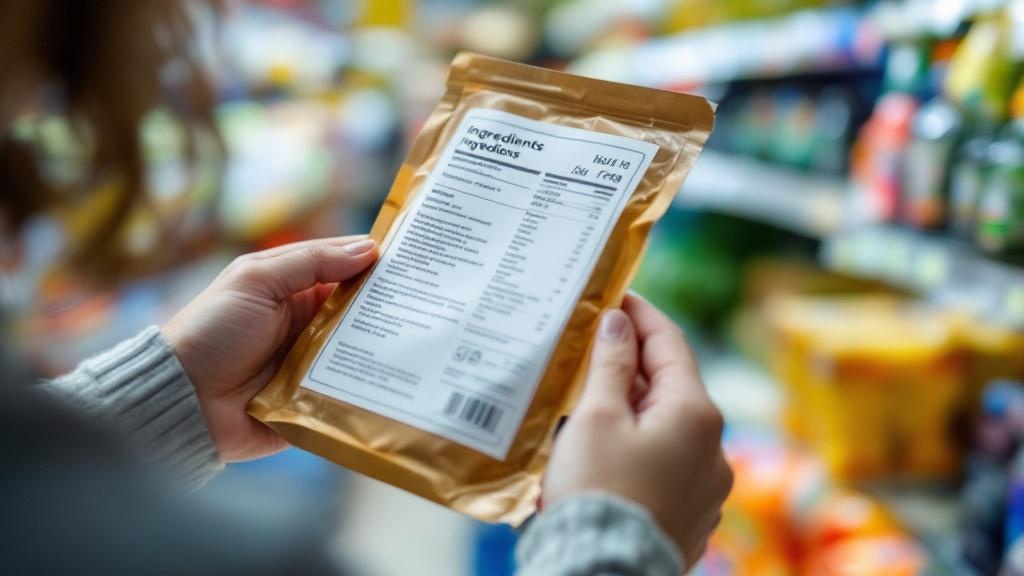
Reading the label is the only reliable approach. Cheeses labelled "suitable for vegetarians" use microbial or vegetarian rennet by definition, which makes them a safe bet. Cheeses that simply say "rennet" without qualification are the ones to question, since unqualified rennet is often animal-derived. There is genuine scholarly discussion about whether the enzyme transformation changes the ruling on animal rennet, but the cautious and widely held position is to seek a halal or microbial source.
| What the label says | Meaning | Halal status |
|---|---|---|
| Microbial / vegetarian rennet | Non-animal enzyme | Halal |
| "Suitable for vegetarians" | No animal rennet | Halal |
| Animal rennet (halal source) | From halal-slaughtered animal | Halal |
| "Rennet" (unqualified) | Often animal, source unknown | Check |
| Animal rennet (non-halal) | From non-halal slaughter | Avoid |
A note on alcohol-washed and paired cheeses
One smaller point rounds out the picture. A few specialty cheeses are washed in beer, wine or spirits during ageing, and some blue cheeses are sold pre-paired with port or similar. Those alcohol-washed or alcohol-infused products are best avoided regardless of the rennet. For a standard wedge of blue cheese, though, the only box you really need to tick is the rennet, and once that is microbial or halal, the cheese is good to enjoy.
The famous names, and what to ask
Traditional blue cheeses carry a lot of heritage, and that heritage sometimes includes animal rennet by long-standing recipe or even legal definition. Roquefort, Gorgonzola, Stilton and Danish Blue each have their own production traditions, and rennet practice varies not just between them but between individual producers of the same style. That is why a blanket "this cheese is halal" or "this one is not" misses the mark; the only reliable answer comes from the specific wheel's label or the producer's own statement.
The encouraging trend is that many modern dairies have switched to microbial rennet because it is cheaper and consistent, and they often label cheese as vegetarian-friendly as a result. When you find one of those, the blue cheese is halal. The table below shows the question to ask for each famous style, rather than a fixed verdict, because the verdict genuinely depends on the maker.
| Blue cheese | Origin | What to confirm |
|---|---|---|
| Roquefort | France (sheep's milk) | Rennet type |
| Gorgonzola | Italy | Rennet type |
| Stilton | England | Rennet type |
| Danish Blue | Denmark | Rennet type |
| Supermarket "vegetarian" blue | Various | Already microbial rennet |
If all of this feels like a lot of detective work for a wedge of cheese, there is a shortcut worth leaning on. Cheeses marketed specifically to vegetarians, or those carrying a halal mark, have already resolved the rennet question for you, and they are increasingly common in ordinary supermarkets. For dressings and dips built on blue cheese, the same logic applies twice over, since a blue cheese dressing inherits whatever rennet the cheese used and may add its own ingredients on top. Read the dressing label as carefully as you would the cheese, and the whole category becomes far less intimidating than its pungent reputation suggests. Once the rennet is confirmed, blue cheese is simply another cheese to enjoy on a board or crumbled over a salad.
Key Takeaways
- ✓The blue mould in blue cheese is edible and halal; it is not the concern.
- ✓Rennet decides it: microbial or vegetarian rennet is halal, unqualified animal rennet is doubtful.
- ✓"Suitable for vegetarians" is a reliable shortcut to halal rennet.
- ✓Avoid blue cheeses washed or paired with beer, wine or spirits.
Animal rennet or microbial? Find out fast
Scan any cheese label with HalalLens and it flags the rennet type and any alcohol washing, so you can pick a blue cheese with confidence.
Try HalalLens FreeDisclaimer: This article is for educational purposes and was prepared with AI assistance and human review. Ingredient sourcing and rulings can vary between manufacturers and scholars; always consult qualified Islamic scholars for religious rulings and check current product labels.