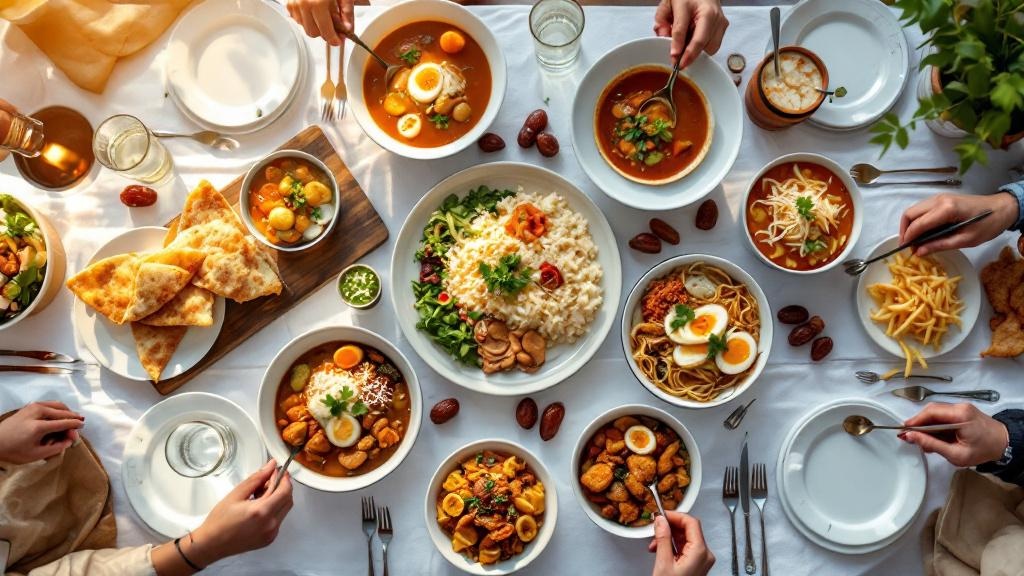
Ramadan 2026 begins on February 17th, and across the globe families are preparing for iftar, the most meaningful meal of the day. When the sun dips below the horizon and the first date touches your lips, it feels like a reset, a moment of gratitude, a gathering. Iftar looks different from Jakarta to Jeddah and from Istanbul to Tokyo. Each culture brings its own dishes, as diverse as the ummah itself.
This year we curated ten iconic iftar dishes from ten different countries, each a window into a unique food tradition and each verified for halal compliance using HalalLens. If you want inspiration to refresh your iftar spread, want to explore the cuisines of Muslim communities worldwide, or are simply curious about how the world breaks its fast, this guide is for you. Every recipe is linked so you can cook along at home, and every ingredient has been checked so you can eat with confidence.
1. Bakso, Indonesia's Beloved Meatball Soup
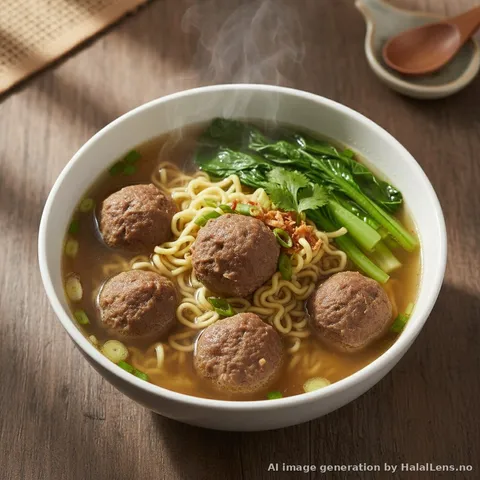
If you have walked through the streets of Jakarta, Surabaya, or Yogyakarta during Ramadan, you have heard the distinctive call of bakso vendors pushing their carts through the twilight. Bakso is Indonesia's most beloved street food, springy hand-rolled beef meatballs served in a steaming, aromatic broth with yellow noodles, fried shallots, celery leaves, and a generous splash of sweet soy sauce. The meatballs get their bounce from tapioca starch mixed into seasoned ground beef and kneaded until the mixture reaches the right elasticity.
For Indonesian Muslims, bakso at iftar is comfort in a bowl. The warm broth soothes a day-long fast, the noodles add sustaining carbohydrates, and the protein-rich meatballs replenish energy. What makes bakso special during Ramadan is how it brings people together. Families often prepare enormous batches, and sharing bakso with neighbors is a meaningful act of generosity. The dish adapts to personal taste: some prefer bakso urat (with visible tendon texture), others go for bakso telur (stuffed with a hard-boiled egg), and adventurous eaters choose bakso mercon (stuffed with chili paste for a fiery surprise).
Ready to make your own? Follow our Bakso, Indonesian Meatball Soup recipe with step-by-step instructions and halal-verified ingredients.
2. Pide, Turkey's Iconic Ramadan Flatbread
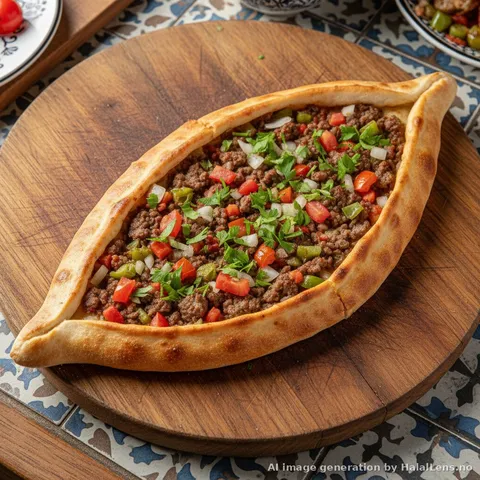
In Turkey, Ramadan feels incomplete without Ramazan pidesi, a special version of the classic pide flatbread baked only during the holy month. Turkish bakeries churn out thousands of these golden, sesame-topped breads daily, and the queues before iftar are a cultural institution in themselves. The Ramadan version is softer, thicker, and more pillowy than everyday pide, with a distinctive diamond-scored top that creates small pockets perfect for soaking up soups and stews.
But beyond the Ramadan loaf, Turkey's pide tradition runs deep. Kiymali pide (minced lamb), peynirli pide (mixed cheeses), and sucuklu pide (with halal beef sausage) are boat-shaped flatbreads that function as Turkey's answer to pizza. The dough is stretched into an elongated oval, filled generously, then the edges are folded up and crimped to create a vessel that holds its toppings beautifully. Baked in a blazing-hot stone oven, the crust achieves that perfect balance of crispy base and soft, chewy interior. During Ramadan, families often order an assortment of pide varieties, turning iftar into a communal feast where everyone tears, shares, and savors together.
Explore our full Pide: Turkey's Iconic Boat-Shaped Flatbread recipe to bring this Ottoman-era tradition into your kitchen.
3. Butter Chicken, India's Creamy Mughlai Masterpiece
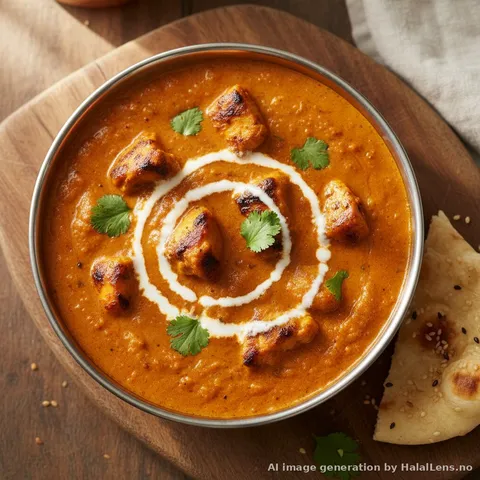
India's contribution to the global iftar table is vast, from biryani to nihari, from haleem to seekh kebab, but butter chicken holds a special place in the hearts of millions. Known as murgh makhani, this dish was born in Delhi's Moti Mahal restaurant in the 1950s, when leftover tandoori chicken was simmered in a luscious sauce of tomatoes, cream, butter, and a careful blend of spices including kasuri methi (dried fenugreek leaves), which gives the dish its signature earthy sweetness.
During Ramadan in India, butter chicken moves from restaurants to home kitchens. The chicken is marinated overnight in yogurt and spices, then grilled or baked until charred at the edges before being folded into the velvety sauce. The result is rich but gentle, exactly what the body craves after a long fast. Served with hot naan or fragrant basmati rice, butter chicken provides a balanced mix of protein, fat, and comfort. In Indian Muslim households, preparing butter chicken for iftar is often a family affair, with different generations adding their own touch, a grandmother's spice ratio, an aunt's particular way of charring the chicken, a mother's finishing drizzle of fresh cream.
Master this dish at home with our Butter Chicken (Murgh Makhani) recipe, complete with halal-verified ingredient list.
4. Chicken Kabsa, Saudi Arabia's Royal Rice Dish
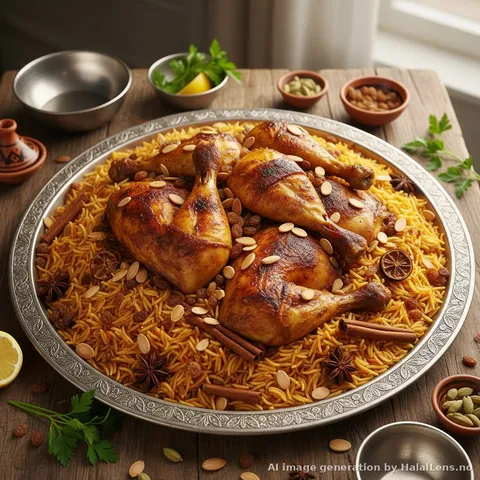
No dish says "Arabian iftar" quite like kabsa. This one-pot rice dish is Saudi Arabia's national treasure, fragrant basmati rice cooked with whole spices (cinnamon, cardamom, cloves, black lime), tomatoes, and slow-cooked chicken that falls off the bone. What elevates kabsa from a simple rice dish is the layering of flavors: the chicken is first browned and then braised, the rice absorbs that spiced cooking liquid, and the whole dish is finished with toasted almonds, raisins, and a bright, tangy tomato-chili sauce called daqqus.
In Saudi Arabia during Ramadan, kabsa is the centerpiece of the iftar table. Families gather around enormous communal platters, the rice mounded high with the chicken arranged on top, and everyone eats with their right hand in the traditional manner. The dish is closely tied to Ramadan hospitality. It is common for families to prepare extra kabsa to distribute to mosque-goers, laborers, and anyone who might not have a meal waiting at home. This spirit of generosity, or karam, is inseparable from the dish itself. The recipe varies slightly from region to region within Saudi Arabia. Hejazi kabsa tends to be lighter and more fragrant, while Najdi versions are heavier on the spices. The essence remains the same: a dish that nourishes the body and the community.
Cook this dish with our Saudi Chicken Kabsa recipe. Every spice and step is detailed.
5. Nasi Lemak, Malaysia's Fragrant Coconut Rice
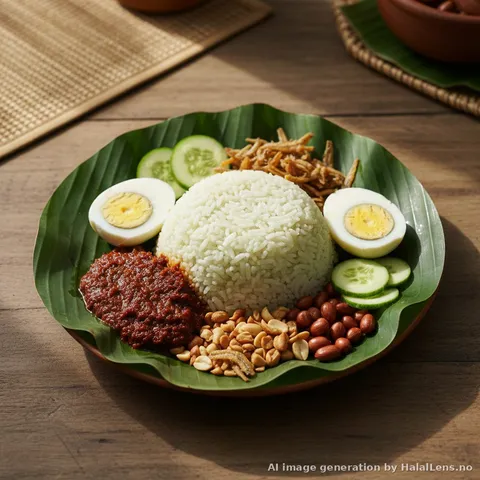
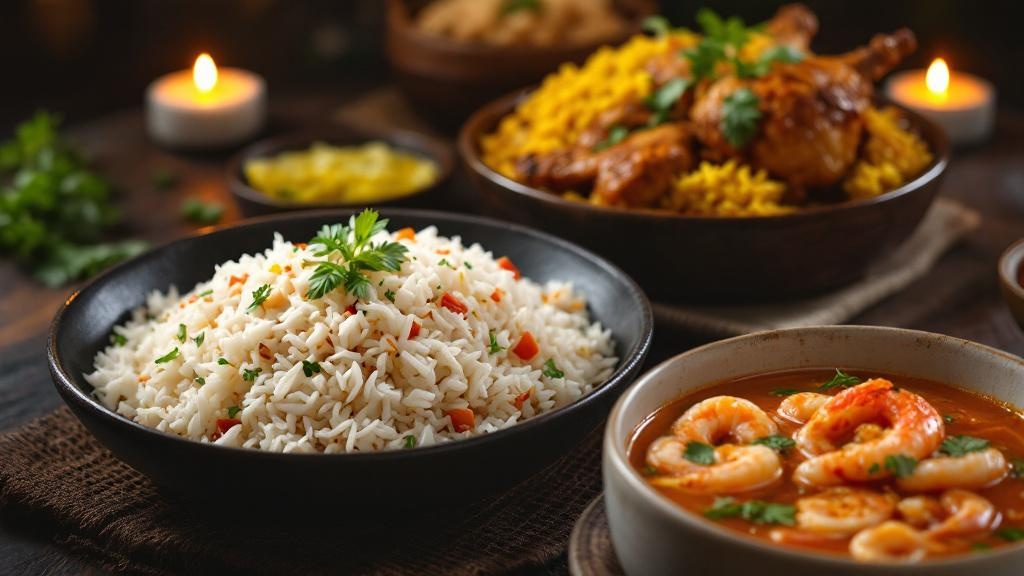
Malaysia's national dish shows how simple ingredients can create something transcendent. Nasi lemak, rice cooked in coconut milk and pandan leaves, is eaten at every meal in Malaysia, but during Ramadan it takes on special significance. The base is deceptively simple: jasmine rice infused with the rich creaminess of coconut milk, the floral whisper of pandan, and a few slices of ginger. The magic lies in the accompaniments: fiery sambal made from dried chilies and shrimp paste, crispy fried anchovies (ikan bilis), roasted peanuts, a slice of cucumber, and a perfectly fried or hard-boiled egg.
During Ramadan in Malaysia, nasi lemak vendors set up massive stalls at Ramadan bazaars, vibrant night markets that spring up across the country for the holy month. These bazaars are a sensory explosion, but the nasi lemak stalls always draw the longest queues. The Ramadan version is often more elaborate than the everyday packet: rendang chicken, fried chicken, squid sambal, and even serunding (spiced coconut floss) might join the spread. For Malaysian Muslims, nasi lemak at iftar is more than a meal. It is an act of cultural identity, a taste of home that connects the diaspora scattered across the world back to the land of their birth.
Recreate this Malaysian treasure with our Nasi Lemak (Malaysian Coconut Rice with Sambal) recipe.
6. Halal Ramen, Japan's Steaming Bowl of Comfort
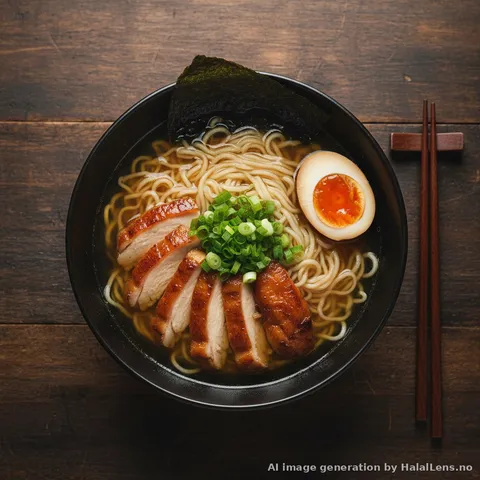
Japan might not be the first country that comes to mind when thinking of iftar food, but its growing Muslim community and the millions of Muslim tourists who visit annually have sparked a halal ramen revolution. Traditional ramen relies heavily on pork-based tonkotsu broth, mirin (rice wine), and soy sauces that may contain alcohol. Halal ramen replaces these with chicken chintan, a clear and deeply savory chicken broth simmered for hours, halal soy sauce, and creative alternatives that keep the same depth.
For Muslims in Japan during Ramadan, a bowl of halal ramen at iftar is pure comfort. The broth, simmered for four to six hours with chicken bones, ginger, garlic, and kombu (kelp), delivers the umami-rich warmth the body wants after fasting. Topped with chashu-style chicken (marinated and braised), a jammy soft-boiled egg (ajitama), nori, scallions, and perhaps some menma (fermented bamboo shoots), it is a complete meal in a single bowl. The noodle shops in Tokyo's Shinjuku district and Osaka's Namba area that serve halal ramen have become gathering points for the Muslim community during Ramadan, blending Japanese precision with Islamic dietary principles in the most delicious way possible.
Learn to craft restaurant-quality broth at home with our Best Halal Ramen Broth (Chicken Chintan) recipe.
7. Tom Yum Goong, Thailand's Hot and Sour Shrimp Soup
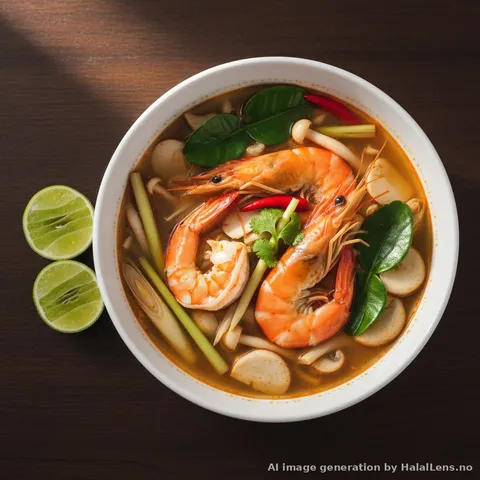
Thailand's southern provinces, Pattani, Yala, Narathiwat, and Songkhla, are home to a vibrant Muslim community that has perfected the art of halal Thai cooking. Tom yum goong, the world-famous hot and sour shrimp soup, is a Ramadan staple in these regions for good reason. Its combination of lemongrass, galangal, kaffir lime leaves, bird's eye chilies, and fresh shrimp creates a broth that wakes the senses after a day of fasting.
The key to a great tom yum is the balance between its four fundamental flavors: sour (from fresh lime juice), spicy (from crushed chilies), salty (from fish sauce, with halal versions using naturally fermented varieties without additives), and a faint sweetness from the natural sugars in the shrimp and aromatics. The soup comes in two styles: tom yum nam sai (clear broth) and tom yum nam khon (creamy, enriched with evaporated milk or chili paste). During Ramadan in southern Thailand, tom yum goong is typically served as the opening course at iftar, its bright acidity and warmth preparing the stomach for the richer dishes to follow. The Thai Muslim communities also add their own regional twist, often incorporating turmeric, a spice less common in central Thai cooking but common in the Malay-influenced south.
Bring the heat to your iftar table with our Tom Yum Goong recipe. Every aromatic ingredient is verified halal.
| # | Country | Dish | Category | Prep Time |
|---|---|---|---|---|
| 1 | Indonesia | Bakso | Soup | 90 min |
| 2 | Turkey | Pide | Bread | 120 min |
| 3 | India | Butter Chicken | Curry | 60 min |
| 4 | Saudi Arabia | Chicken Kabsa | Rice | 90 min |
| 5 | Malaysia | Nasi Lemak | Rice | 45 min |
| 6 | Japan | Halal Ramen | Noodle Soup | 240 min |
| 7 | Thailand | Tom Yum Goong | Soup | 30 min |
| 8 | UAE / Gulf | Luqaimat | Dessert | 45 min |
| 9 | United Kingdom | Chicken Tikka Masala | Curry | 60 min |
| 10 | South Korea | Korean Fried Chicken | Fried | 75 min |
8. Luqaimat, The UAE's Golden Iftar Dumplings
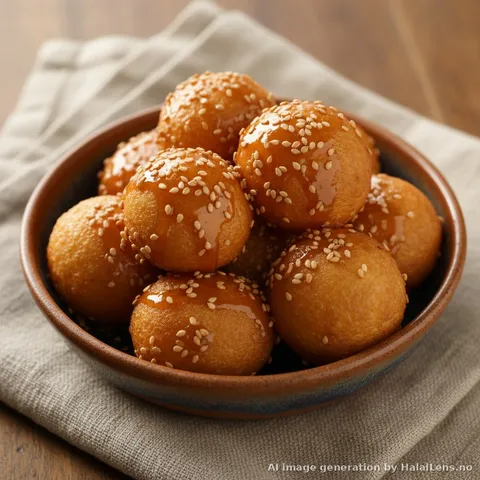
In the United Arab Emirates, Kuwait, Bahrain, and across the Gulf states, no iftar table is complete without luqaimat. These golden, crispy-on-the-outside, pillowy-on-the-inside fried dough balls are drizzled with dibs (date syrup) or dipped in honey and sprinkled with sesame seeds, and they are one of the oldest Ramadan traditions in the Arab world. The name itself means "small bites" in Arabic. That is exactly what they are, addictive, pop-in-your-mouth morsels of sweetness that provide an instant energy boost after fasting.
Making luqaimat is both a science and an art. The dough is a simple yeast-based batter of flour, sugar, saffron, cardamom, and a touch of milk, left to ferment until bubbly and alive. Small spoonfuls are then dropped into hot oil, where they puff up into irregular golden spheres. The key is the oil temperature. Too hot and they burn on the outside while remaining raw inside; too cool and they absorb too much oil and become heavy. Emirati grandmothers can tell the perfect temperature by the sound the dough makes when it hits the oil. During Ramadan, luqaimat-making often becomes a communal activity, with family members gathered around the stove, everyone taking turns dropping and frying, while the finished dumplings are piled onto a platter and immediately drizzled with warm date syrup. They are best eaten hot, when the contrast between the crunchy exterior and the soft, fragrant interior is at its peak.
Make these irresistible Gulf treats with our Luqaimat (Gulf Fried Dough Bites) recipe.
9. Chicken Tikka Masala, Britain's Multicultural Iftar Favorite
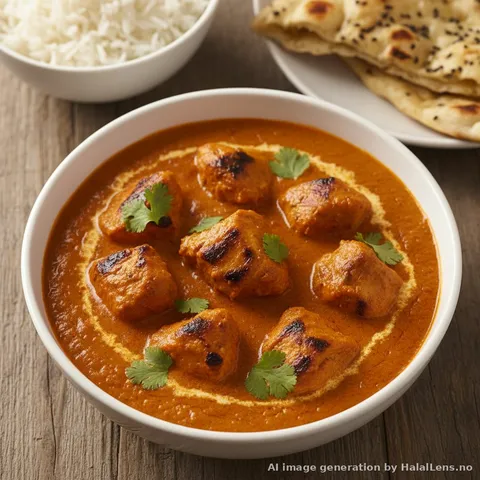
The United Kingdom is home to nearly four million Muslims, and British-Muslim food culture has produced one of the world's most recognizable dishes: chicken tikka masala. Often called Britain's national dish (a title it claimed over fish and chips in a famous 2001 survey), chicken tikka masala is a fusion, tandoori chicken pieces folded into a creamy, spiced tomato-based sauce that owes as much to British palates as it does to South Asian spice traditions. The story goes that it was invented in a Glasgow curry house when a customer complained that tandoori chicken was too dry, and the chef improvised a sauce from canned tomato soup, yogurt, and spices.
Whether that origin story is true or apocryphal, chicken tikka masala has become an iftar staple in British Muslim homes from Birmingham to Bradford, from East London to Edinburgh. The British-Muslim iftar experience blends dates and water to break the fast, followed by samosas and pakoras as starters, and then the main event, often a choice between biryani and chicken tikka masala, served with pillowy naan bread. British mosques during Ramadan often serve chicken tikka masala to hundreds of worshippers, and the communal iftar in a British mosque, with Bengalis, Pakistanis, Somalis, Arabs, and converts all sharing the same table, is a clear expression of how food crosses cultural boundaries within the ummah.
Cook Britain's most-loved curry with our Chicken Tikka Masala: British-Indian Halal Recipe.
10. Korean Fried Chicken, Seoul's Crunchiest Iftar Indulgence
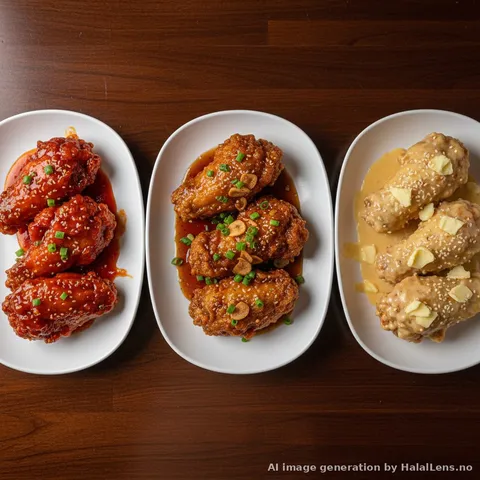
South Korea's Muslim community may be smaller than those in Southeast Asia or the Middle East, but it is growing rapidly, and with it the halal food scene. Korean fried chicken (KFC, as Koreans playfully call it) has become a global phenomenon, and its halal versions have found an enthusiastic audience among Muslim residents and visitors in Seoul's Itaewon district. What makes Korean fried chicken different from any other fried chicken on the planet is the double-frying technique. The chicken is fried once to cook through, rested, and then fried a second time at a higher temperature. This creates a crunchy exterior that stays crispy for hours, no small feat in the world of fried food.
For iftar, Korean fried chicken is a celebration dish. It comes in three iconic glazes: yangnyeom (a sweet-spicy gochujang-based sauce that coats each piece in a glossy red lacquer), soy garlic (a savory-sweet combination that caramelizes into a dark, umami-rich glaze), and honey butter (a newer invention that has taken Korea by storm, combining the richness of butter with the sweetness of honey). The beauty of serving Korean fried chicken at iftar is its shareability. Order a mixed platter of all three flavors, pile it high with pickled radish (chicken mu) and fresh cabbage, and watch it disappear within minutes. It is indulgent, yes, but after a day of fasting, a little indulgence feels right.
Master the double-fry technique with our Korean Fried Chicken (Yangnyeom, Soy Garlic, Honey Butter) recipe.

Your Ramadan 2026 Iftar Planning Guide
Planning a diverse iftar spread for Ramadan 2026? Here is a practical guide to help you organize your cooking across the month. With 30 days of Ramadan, you could try a different country's cuisine every three days, giving yourself time to shop for ingredients, prep, and perfect each dish.
| Week | Theme | Dishes | Shopping Tips |
|---|---|---|---|
| Week 1 | Southeast Asian | Bakso, Nasi Lemak, Tom Yum Goong | Stock up on coconut milk, lemongrass, galangal, kaffir lime leaves |
| Week 2 | Middle Eastern and Turkish | Chicken Kabsa, Pide, Luqaimat | Get basmati rice, black lime, saffron, cardamom, date syrup |
| Week 3 | South Asian and British | Butter Chicken, Chicken Tikka Masala | Yogurt, kasuri methi, garam masala, cream, tandoori spice mix |
| Week 4 | East Asian | Halal Ramen, Korean Fried Chicken | Halal soy sauce, miso paste, gochujang, rice flour, kombu |
The beauty of this approach is that many ingredients overlap within each week's theme. Southeast Asian dishes share coconut milk, lemongrass, and chilies. Middle Eastern dishes share basmati rice, saffron, and cardamom. By clustering your cuisine themes, you minimize waste and maximize the variety on your iftar table without overwhelming your grocery budget.
Halal Ingredient Verification: Why It Matters During Ramadan
Ramadan heightens every Muslim's awareness of what they consume. After spending an entire day abstaining from food and drink as an act of worship, the last thing anyone wants is uncertainty about whether their iftar ingredients are truly halal. This is particularly relevant when cooking cuisines from other cultures, where unfamiliar ingredients might raise questions. Is the fish sauce in tom yum goong halal? Does the miso paste in ramen contain alcohol? Is the food coloring in those Korean fried chicken glazes derived from insects?
These are not hypothetical concerns. Many common ingredients sit in a gray area that requires careful checking. Fish sauce, for example, is naturally halal when made from fish and salt through natural fermentation, but some commercial brands add preservatives or use non-halal processing aids. Miso paste is traditionally halal (soybeans, rice, salt, and koji mold), but some varieties include dashi made from bonito that may have been processed with mirin (rice wine). Gochujang, the Korean chili paste central to yangnyeom chicken, sometimes contains corn syrup processed with enzymes of unknown origin. Each of these details matters, and working through them manually for every recipe from every cuisine would be an exhausting task.
That is why we built HalalLens. Simply point your phone camera at any ingredient list, whether it is on a bottle of fish sauce, a packet of miso paste, or a jar of gochujang, and HalalLens will instantly analyze every ingredient, flag concerns, and give you a clear halal status verdict. Every recipe here has been verified using HalalLens, so you can cook with confidence. For the ingredients you source locally, having HalalLens on your phone during your Ramadan grocery runs means never having to guess again.
Key Takeaways
- ✓ The global ummah celebrates iftar with an incredible diversity of cuisines, from Indonesian bakso to Korean fried chicken, and every culture has contributed something unique to the Ramadan table.
- ✓ All 10 recipes featured are available on HalalLens with step-by-step instructions and halal-verified ingredient lists.
- ✓ Clustering your iftar menu by regional theme (Southeast Asian, Middle Eastern, South Asian, East Asian) makes shopping efficient and reduces waste.
- ✓ When cooking unfamiliar cuisines, always verify ingredients, especially condiments like fish sauce, miso paste, and gochujang, for halal compliance.
- ✓ Use HalalLens during your Ramadan grocery shopping to scan any ingredient list instantly and get a clear halal status for every item.
Make Every Iftar Ingredient Halal-Verified
Cooking dishes from around the world this Ramadan? Use HalalLens to scan any ingredient list instantly. Just point your camera and get a clear halal status in seconds, no guesswork, no doubt.
Try HalalLens FreeDisclaimer: This article is for educational and informational purposes. Halal rulings on specific ingredients may vary between Islamic schools of thought. Always consult with qualified Islamic scholars for definitive religious rulings on food consumption. The recipes linked here have been verified for common halal compliance using HalalLens but sourcing halal-certified meat and poultry remains the responsibility of the individual cook.